







Rock wool size depends on whether the project needs a board, batt, roll or pipe section.
ThermRock boards are normally 1200 x 600 mm and 30-200 mm thick. Other forms use different dimensions: batts must fit framing, rolls are ordered by coverage, and pipe sections must match the pipe diameter. Always confirm the selected product sheet before ordering.
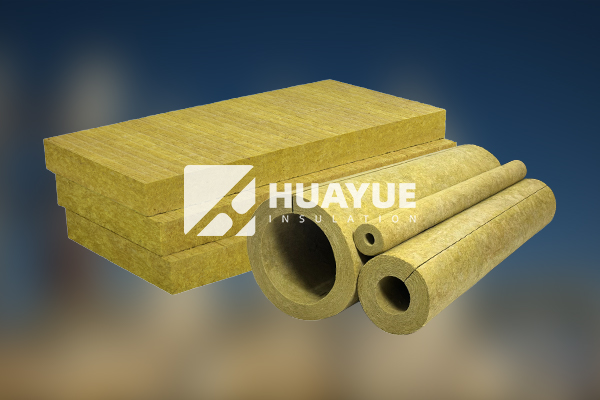
This guide separates those sizing methods, shows the confirmed ThermRock board options and explains what buyers should measure before requesting a quotation.
What Rock Wool Sizes Are Available by Product Form?
The word "size" changes with the physical form of the insulation.
A board is specified by thickness, width and length. A batt must also match its framing cavity. A roll needs a declared roll width and length, while a pipe section is selected by pipe diameter, insulation thickness and section length.
Buyers searching for rockwool insulation sizes may be using “rockwool” as a generic product term. Mineral wool is the wider material category, rock wool or stone wool is a product family, and ROCKWOOL is also a third-party brand. SinoInsulation supplies ThermRock rock wool products rather than ROCKWOOL-branded goods, so another brand’s size table should not be used as a ThermRock order sheet.
Use the product form to decide which measurements belong in the specification:
| Product form | Dimensions that define the size | Measure or confirm before selection |
|---|---|---|
| Board | Thickness x width x length | Surface layout, joints, handling space and required density |
| Batt / slab | Thickness x fitted width x length | Wood or steel framing, clear cavity width and cavity depth |
| Blanket / roll | Thickness x roll width x roll length | Net area, overlap or joint plan, facing and handling limits |
| Pipe section | Inside diameter x insulation thickness x section length | Actual pipe outside diameter, fittings, supports and number of layers |
This distinction matters because the same number can describe different things. A 50 mm board dimension normally refers to thickness, while a 50 mm pipe value could refer to insulation thickness or pipe diameter. A complete inquiry should name both the form and the dimension.
No single size is universal across suppliers, product models or markets. Density, facing, tolerances, packing and destination may also change what can be quoted. For a form-by-form overview, see Types of Rock Wool Insulation. The terminology article explains the difference between Rockwool and mineral wool.
Which Board and Batt Sizes Fit Walls and Ceilings?
Boards and batts can serve framed assemblies, but their dimensions are not selected in the same way.
Choose board length and width from the surface layout. Choose batt width from the measured clear cavity, not nominal stud spacing alone. In both cases, select thickness from the project requirement and verify the exact product specification.
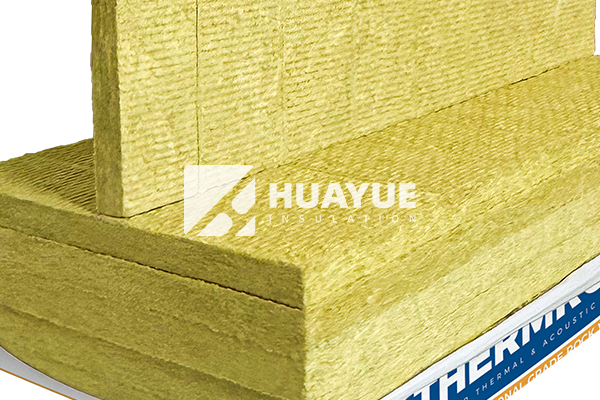
ThermRock board dimensions
The normal ThermRock board size is 1200 x 600 mm. Confirmed production notes and the HYRW60 board data support the following options:
| Board dimensions | Area per piece | Selection note |
|---|---|---|
| 1200 x 400 mm | 0.48 m2 | Narrow listed option |
| 1200 x 600 mm | 0.72 m2 | Normal board size |
| 1200 x 1000 mm | 1.20 m2 | Confirmed production option |
| 1200 x 1200 mm | 1.44 m2 | Square listed option |
| 2400 x 1200 mm | 2.88 m2 | Large-format listed option |
Standard ThermRock board thickness is 30-200 mm, and the maximum production-line width is 1280 mm. Selected boards may be split offline to 15 mm; some high-density boards may reach 10 mm, but either option requires production review. ThermRock board density ranges from 40 to 200 kg/m3, while routine board selection is generally 60 kg/m3 or above.
Metric and imperial sheets are not automatically interchangeable. A 1200 x 2400 mm board is about 47.2 x 94.5 inches, while a true 4 x 8 ft sheet is about 1219 x 2438 mm. An imperial drawing should therefore state whether the metric board is acceptable and define any required tolerance.
ThermRock GEN batt dimensions
Batt sizing starts with the frame. Wood studs and steel studs can use different fitted widths even when both are described as 16-inch or 24-inch on-center construction. The on-center dimension includes the framing member; it is not the empty cavity width.
Record the framing material, nominal spacing, clear opening, cavity depth and bay height. Measure several bays because real construction can vary. The selected batt should fit without open edges, folding or unnecessary compression, but the exact fit method must follow the approved product and assembly instructions.
R-value is not a universal shortcut to thickness. An R-30 batt thickness is specific to the product model, test basis and market offering. Do not transfer an R-value-to-thickness relationship from another brand, or from a batt to a board, merely because both products are rock wool.
For ceilings, the size decision also includes overhead retention, access and the finished assembly. This article covers the size check only; use the dedicated rock wool ceiling installation guide for installation steps and support details.
How Are Rock Wool Roll and Pipe Sizes Specified?
Rolls cover an area; pipe sections match a cylindrical service. Their order lines therefore need different measurements.
Specify a roll by thickness, width, roll length, density and facing. Specify a pipe section by actual pipe outside diameter, insulation thickness, section length and jacket. Exact ranges should come from the current approved product sheet.
For a roll or blanket, start with the net insulated area and the installation direction. The roll width influences the number of longitudinal joints, while roll length affects coverage and handling. Thickness and density change the material volume and pack weight, so two rolls with the same face area are not necessarily equivalent.
Use this calculation only after the selected roll size is confirmed:
Roll coverage = roll width x roll length
Then divide the net project area by the declared coverage per roll. Add project-specific allowances for joints, openings and cuts instead of applying one universal waste percentage. Facing must be included in the order description because it can affect installation direction, joints, packaging and price.
For pipe sections, use the actual pipe outside diameter rather than only the nominal pipe name. Also record the required insulation thickness, straight-run length, number of layers and whether the inquiry includes elbows, tees, valves, flanges or supports. A size for straight sections does not automatically define the treatment of fittings.
An example order description might read: <code>rock wool pipe section, pipe OD [value], insulation thickness [value], section length [value], facing [type], total straight length [value]</code>. The values must come from the pipe schedule and the approved ThermRock offer, not from a generic online size chart.
Roll and pipe dimensions should be reviewed together with service conditions and the required project documents. A dimensionally correct product can still be unsuitable if its facing, density or tested scope does not match the assembly.
How Should Buyers Choose Thickness, Quantity and Custom Sizes?
The largest or thickest available product is not automatically the best project choice.
Choose the product form first, the required performance second and the physical dimensions third. Compare the standard size with the cutting layout, quantity and freight volume before requesting a custom dimension.
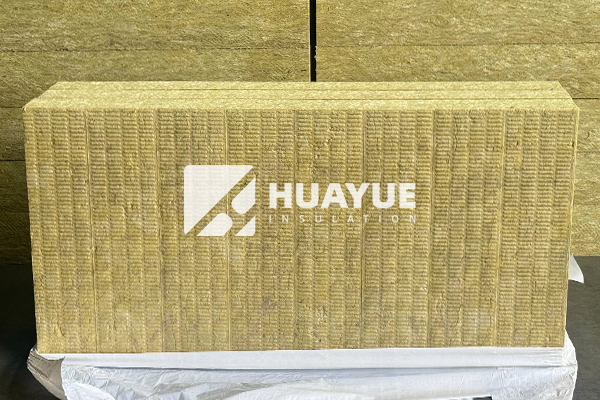
Thickness should come from the required R-value, RSI, U-value, condensation-control calculation, acoustic design, tested assembly or project specification. It should not be chosen from the application name alone. A request for “2-inch rockwool” also needs clarification: the drawing may require exactly 2 inches, 50.8 mm, or may accept a nominal 50 mm metric product.
Use this order:
- Confirm the application and product form.
- Identify the required performance target.
- Select a model with approved, applicable product data.
- Check cavity depth, clear opening, installation surface or pipe clearance.
- Compare standard dimensions with the cutting layout.
- Calculate quantity, packing and freight volume.
Standard sizes usually simplify production, packing and quotation. Custom dimensions can reduce repetitive cutting when a non-standard module occurs throughout a project, but custom availability is not unlimited. Tolerance, density, facing, order quantity, packing and production method all need review before a custom size can be confirmed.
For board quantity, start with:
Required boards per layer = net insulated area / area per board
A 1200 x 600 mm board covers 0.72 m2. Covering 100 m2 therefore requires 100 / 0.72 = 138.9, or at least 139 boards per layer, before openings, damage and cutting layout are considered. Batts, rolls and pipe sections must instead be calculated from pack coverage, roll area or the pipe schedule.
Size also affects rock wool insulation price through material volume, density, facing, cutting, pack configuration and freight. A retail bag price cannot be compared fairly with a B2B quotation until coverage, thickness, density and destination are placed on the same basis.
What Information Is Needed for a Rock Wool Size Quote?
A useful sizing inquiry can stay short while still giving the supplier enough information to review the request.
Provide the application, product form, dimensions, performance target, quantity and destination first. Add framing, density, facing, packing and document requirements when they are already defined. Attach a drawing or schedule when dimensions repeat or fittings are involved.
The required contact fields can remain simple: name, email, country and message. The message or attachment can then include the details that improve size selection and quotation accuracy:
- Application: wall, roof, ceiling, floor, panel, equipment or pipe.
- Product form: board, batt, blanket/roll or pipe section.
- Dimensions: thickness, width, length, pipe outside diameter or drawing.
- Framing: wood or steel, nominal spacing and measured clear cavity.
- Performance: R-value, RSI, U-value, thermal conductivity, acoustic, fire or other project target.
- Density or model: required density, named ThermRock model or project specification.
- Facing or jacket: unfaced, foil, wire mesh or another finish.
- Quantity and destination: area, pieces, rolls, pipe schedule, country and delivery location.
- Documents: data sheet, test report, labels or project submittal needs.
Some requests need one extra clarification. State whether an imperial dimension can be converted to the nearest metric size or must be supplied exactly. For pipe sections, provide the actual pipe outside diameter and identify fittings separately. For framed applications, give both nominal spacing and measured clear cavity.
SinoInsulation supplies ThermRock rock wool board, batt, blanket/roll and pipe-section products rather than ROCKWOOL-branded goods. Product dimensions and model data should therefore be checked against ThermRock information, not another brand’s table.
For a size and production review, contact SinoInsulation with the drawing, schedule or specification. The contact form can remain limited to name, email, country and message; the technical details may be supplied in the message or attachment.
Conclusion
Choose the form first, then confirm performance, dimensions and quantity. Send the drawing or schedule for a ThermRock size and quotation review.