



Similar insulation terms can make specifications and quotations difficult to compare, especially when a brand name is used as if it were a material category.
Mineral wool is the broad category. Rock wool, or stone wool, is one type of mineral wool, while ROCKWOOL is a brand. Buyers should compare the declared material, product form, and verified performance data rather than relying on the name alone.
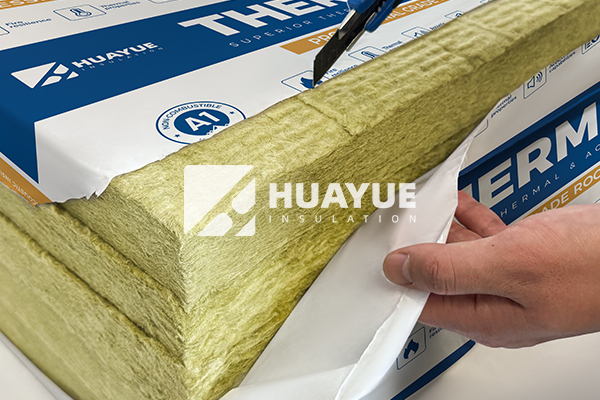
The sections below clarify the terminology, show which performance data matters, and provide a practical route from material comparison to an accurate project inquiry.
Are Rockwool and Mineral Wool the Same?
Material names are often mixed together in search results and quotations, which can make two related terms look like competing insulation products.
Rock wool is a type of mineral wool, not a separate category at the same level. Stone wool is another common name for rock wool, while ROCKWOOL identifies a company and brand.
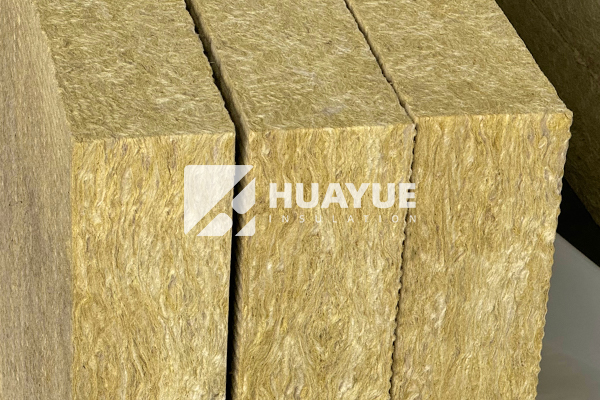
The U.S. Department of Energy describes mineral wool insulation as rock wool or slag wool. In practical purchasing language, this makes mineral wool the umbrella term and rock wool one material route within that family. The ROCKWOOL Group uses stone wool for its rock-based insulation products, but the uppercase name also identifies the company.
| Term | What it usually means | What a buyer should confirm |
|---|---|---|
| Mineral wool | A broad mineral-fiber insulation category that commonly includes rock wool and slag wool. | Ask which material and product form the quotation covers. |
| Rock wool | Mineral wool made mainly from rock or stone raw materials. | Check the named product, intended application, and declared performance. |
| Stone wool | A common generic name for rock wool. | Treat it as a material description unless a brand is also specified. |
| ROCKWOOL | A company and brand name. | Confirm whether the project requires that brand or allows another compliant product. |
| Slag wool | Mineral wool produced partly or mainly from blast-furnace slag. | Compare its datasheet and project suitability rather than judging by the name alone. |
| Glass wool or fiberglass | A glass-fiber insulation family that buyers normally compare separately in commercial selection. | Review it as another material option when weight, handling, cost, fire, or acoustic needs differ. |
The wording in a specification matters. If it says only "mineral wool," the description may not identify the exact raw-material route, density, facing, or product form. If it names ROCKWOOL, the buyer should determine whether the brand is mandatory. If it says "rock wool" or "stone wool," a generic product may be acceptable only when its documented properties meet the project requirements.
Three mistakes cause most quotation confusion:
- Treating rock wool and mineral wool as unrelated materials.
- Assuming a familiar brand name automatically describes every stone wool product.
- Comparing category names without checking the actual board, batt, blanket, pipe section, or loose-fill product being supplied.
The safest interpretation is therefore simple: identify the category first, identify the exact material and form second, and compare verified product information third.
How Should Rock Wool and Mineral Wool Performance Be Compared?
Category names can suggest a material family, but they do not establish the performance of a specific product or complete building assembly.
Compare rock wool and other mineral wool products by declared fire, thermal, acoustic, moisture, mechanical, dimensional, and installation data. The exact product and tested assembly matter more than the wording used in a quotation.
Rock wool is often considered for fire-conscious, acoustic, and general thermal-insulation applications. However, those broad uses do not prove that every rock wool product has the same classification, conductivity, density, strength, or moisture behavior. Product form, thickness, binder, facing, fiber structure, installation, test method, and the surrounding assembly can all affect the final result.
| Comparison point | Rock wool or stone wool | Mineral wool category | What to verify |
|---|---|---|---|
| Material identity | A rock-based mineral wool route. | May refer to rock wool, slag wool, or a broader mineral-fiber description. | Exact material stated by the supplier. |
| Fire performance | Often considered where fire performance is important. | Varies by material, product, facing, and tested assembly. | Product fire classification and assembly requirement. |
| Thermal performance | Depends on the selected product and thickness. | Depends on declared product data, not the category name. | Thermal conductivity or R-value under the relevant test method. |
| Acoustic performance | Boards and batts may support sound absorption or partitions. | Other mineral wool products may also support acoustic control. | Thickness, density, test data, cavity design, and full system. |
| Moisture behavior | Some products have water-repellent or vapor-open characteristics. | Varies by binder, facing, product, and application. | Water behavior, vapor control, facing, and exposure. |
| Rigidity and compression | Products range from flexible blankets to rigid boards. | The category includes very different physical forms. | Compression, stability, fixing, and load conditions. |
| Handling | Cutting can release fibers or dust. | Similar considerations apply to many mineral-fiber products. | Safety data and required protective measures. |
| Cost and sourcing | Brand-specific or specialized forms may affect availability. | A broader specification may allow more sourcing routes. | Brand, equivalence, quantity, packing, and schedule. |
A practical datasheet review
Before selecting a product, compare documents line by line rather than relying on marketing descriptions. Start with the material type and product form. Then confirm thickness, dimensions, density when relevant, declared thermal data, fire classification, acoustic evidence if needed, moisture behavior, facing or jacket, mechanical requirements, and installation method.
For a wall or roof, the complete assembly and local requirements may govern the decision. For ducts, pipes, tanks, or equipment, operating conditions, surface protection, moisture control, and mechanical loads can become equally important. A material that works well in one assembly is not automatically interchangeable in another.
This comparison method also prevents unsupported conclusions such as "rock wool is always better" or "all mineral wool performs the same." The useful question is whether the named product provides documented performance for the intended application.
Which Mineral Wool Product Should You Choose for a Project?
Even after the terminology is clear, buyers still need to match the product form and documented properties to the actual assembly and operating conditions.
Choose by application first and datasheet second. Confirm the material, form, dimensions, performance targets, facing, quantity, destination, and required documents before comparing quotations or approving a substitute.
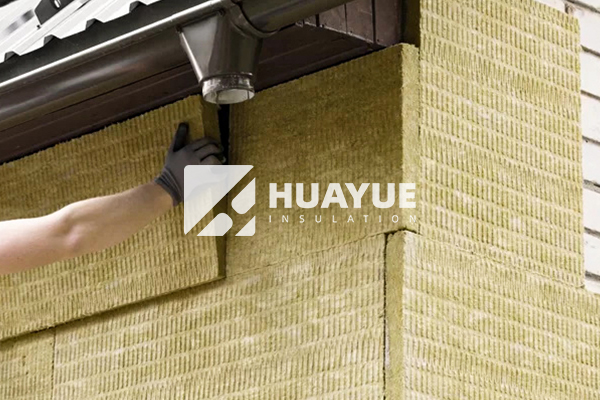
A useful starting point is to define what the insulation must do and where it will be installed. The table below provides selection routes, not fixed product specifications.
| Project need | Useful starting point | Important limitation |
|---|---|---|
| Walls, partitions, ceilings, or roofs | Board, batt, blanket, or roll selected for the required assembly. | Confirm local requirements, thickness, fixing, facing, and system performance. |
| Fire-conscious building assembly | Mineral wool with suitable documented fire performance. | The product name alone does not prove an assembly rating. |
| Acoustic partition or equipment room | Mineral wool board or batt selected with the full design. | Sound control depends on the complete construction. |
| HVAC duct, pipe, tank, or equipment | Board, blanket, pipe section, or technical-insulation form. | Confirm operating conditions, jacket, moisture, loads, and documents. |
| Brand-specified tender | The named brand or formally accepted alternative. | Do not assume substitution is allowed. |
Product forms and quotation details
Common mineral wool forms include boards, batts, blankets or rolls, pipe sections, and loose fill. They are not interchangeable simply because they belong to the same material family. Boards may be selected where shape or rigidity matters. Blankets and rolls suit larger or curved areas. Batts fit framed cavities. Pipe sections are preformed for piping. Loose fill is used where a blown or cavity-filling format is appropriate.
For a useful quotation, provide:
- Application and working conditions.
- Whether the requirement is brand-specific, generic rock wool or stone wool, or another mineral wool route.
- Product form, dimensions, thickness, density when relevant, and quantity.
- Thermal, fire, acoustic, moisture, facing, jacket, or compression requirements where applicable.
- Destination country, packing, labeling, schedule, and project-submittal needs.
- Documents required for review, such as the selected product datasheet, safety information, and relevant test evidence.
SinoInsulation is positioned as a broad material-selection and sourcing platform. Buyers can review the rock wool overview and glass wool overview before sending project details.
Frequently Asked Questions
Common naming and substitution questions can still cause buyers to compare unlike products or approve an unsuitable alternative.
Separate the material category from the brand, then verify the exact product, application, and supporting documents before treating two mineral wool products as equivalent.
Is Rockwool the same as mineral wool?
Not exactly. Rock wool is a type of mineral wool, while mineral wool is the broader category. A quotation should clarify whether "rockwool" means generic rock wool or stone wool, or a product from the ROCKWOOL brand.
Is ROCKWOOL a brand or a material?
ROCKWOOL is a company and brand. Rock wool and stone wool are generic material terms. Buyers often use the brand name more broadly in searches, so specifications and inquiries should state whether a particular brand is required.
Is stone wool the same as rock wool?
Stone wool and rock wool are commonly used for the same rock-based mineral wool family. The product datasheet should still identify the exact form, dimensions, intended use, and declared performance.
Is mineral wool the same as fiberglass?
Not in normal commercial product selection. Fiberglass, also called glass wool, is made from glass fibers. Rock wool is made mainly from rock or stone. Buyers usually compare them as separate insulation families.
Which is better, Rockwool or mineral wool?
The question depends on what "Rockwool" means. If it means generic rock wool, it is already part of the mineral wool category. If it means a brand-specific product, compare its datasheet with the proposed alternative and project requirements.
Can mineral wool be used instead of Rockwool?
Possibly, when the project allows another product and its documented properties meet the specification. If a tender names a brand or tested assembly, obtain formal confirmation before treating another mineral wool product as an acceptable substitute.
What should a buyer ask before ordering?
Ask for the exact material, product form, dimensions, thickness, density when relevant, declared thermal and fire data, acoustic or moisture evidence if required, facing, packing, quantity, destination, and the documents needed for approval.
Need help preparing a mineral wool inquiry?
Send the application, working conditions, product form, dimensions, performance targets, quantity, country, packing, and document requirements through the SinoInsulation contact page.
Conclusion
Rock wool is one type of mineral wool. Choose the exact product by application and verified data, then confirm brand, form, performance, quantity, and documents before ordering.