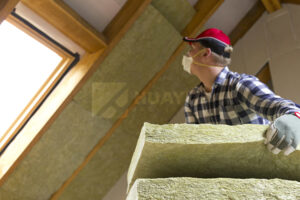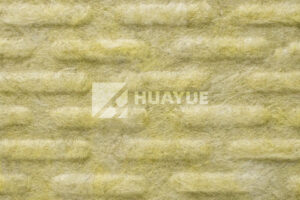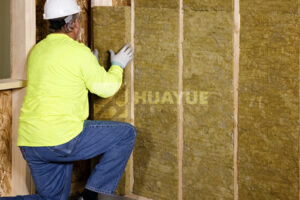









Rock Wool Floor Insulation: Can It Be Used Between Floors?
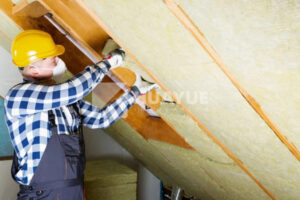
Rock wool can work in floor assemblies, but the right form and moisture detail depend on whether the floor separates...
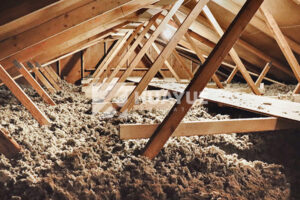
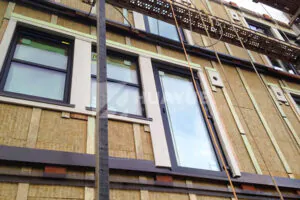
Blown-in mineral wool is a loose-fill insulation format for filling attic floors, wall cavities, and other hard-to-reach building spaces. Yes....
Rock wool insulation board performs as designed only when it fits the assembly, stays dry, and is supported by the...
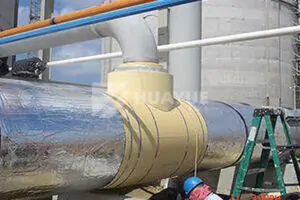
Choosing pipe lagging is less about wrapping a pipe and more about controlling heat, moisture, access, and damage across the...
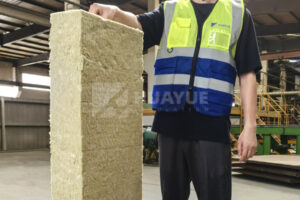
Rock wool board is a rigid mineral-wool insulation form, but its suitability depends on the assembly, handling conditions, pest access,...
Rock wool can help with sound control, but the best result depends on the noise path, wall construction, and how...
Blow-in rock wool is loose-fill rock wool delivered through a blowing machine; standard boards and batts cannot simply be blown...
Rock wool can be used in a ceiling, but suitability depends on ceiling type, product form, support, and moisture-control strategy—not...
Choosing mineral wool for a 2×6 wall involves more than finding the highest R-value on a label: cavity fit, installation,...
R30 mineral wool insulation is usually a batt about 7 to 7¼ inches thick, but the exact depth belongs to...
Acoustic mineral wool is widely used to manage noise, but its value depends on whether the project needs absorption, sound...
Semi-rigid mineral wool insulation holds its shape while remaining easy to cut and fit, making it useful for walls, roofs,...