







Rock wool insulation is a versatile material used in commercial and industrial construction for thermal, acoustic, and fire protection. Understanding the main types of rock wool insulation helps specifiers select the right product for each application.
Types of rock wool insulation include board, pipe, blanket or roll, batt, and loose fill. Each type serves specific construction needs, offering varied performance in thermal, acoustic, and fire resistance. Selection depends on project requirements, installation method, and certification needs.
What are the different types of ROCK WOOL insulation?
The types of rock wool insulation commonly available are board, pipe, blanket (or roll), batt, and loose fill. Each format is engineered for particular uses, from wall and roof insulation to pipe and equipment protection.
| Type | Typical Use | Thickness Range | Packaging | Performance Focus |
|---|---|---|---|---|
| Board | Walls, roofs, facades | 20-150 mm | Sheets/Pallets | Fire, thermal, acoustic |
| Pipe | HVAC, industrial piping | 20-100 mm | Pre-formed tubes | Fire, thermal |
| Blanket/Roll | Large surfaces, roofs | 25-100 mm | Rolls/Bales | Flexible, acoustic |
| Batt | Partition walls, floors | 25-100 mm | Pre-cut packs | Easy install, acoustic |
| Loose Fill | Cavity fill, retrofits | Variable | Bags | Irregular spaces |
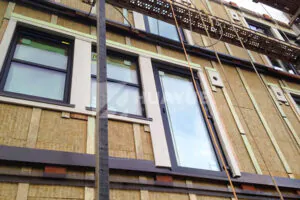
- Board: Rigid panels for flat surfaces, often used in exterior walls, curtain walls, and roofing systems. Boards offer high compressive strength and consistent thickness.
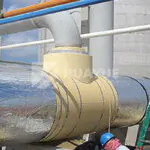
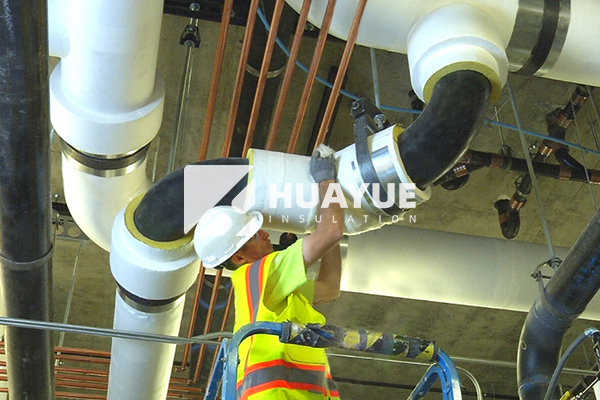
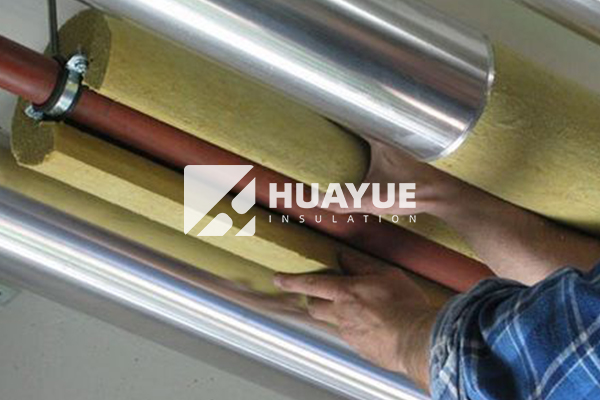
- Pipe: Cylindrical sections designed for pipe insulation in HVAC and industrial settings. Pipe insulation provides continuous coverage and fire resistance.
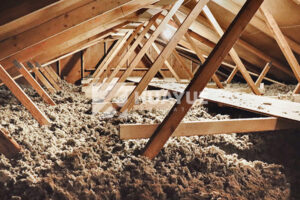
- Blanket/Roll: Flexible mats suitable for covering large areas like roofs, attics, or floors. Blankets are easy to handle and adapt to uneven surfaces.
- Batt: Pre-cut slabs for partition walls and floors, simplifying installation and reducing waste.
- Loose Fill: Granulated wool for filling cavities, ideal for retrofit projects or complex shapes.
Each type of rock wool insulation is selected based on application, installation method, and required performance.
What is the downside of ROCK WOOL?
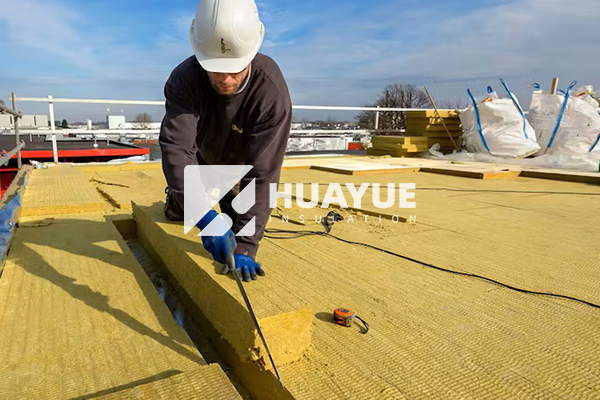
The main downside of rock wool insulation is its weight and handling complexity compared to some alternatives. Rock wool can be heavier and more rigid, especially in board and pipe forms, which may require stronger support structures and careful installation.
- Dust Generation: During installation, rock wool can release fine fibers and dust, requiring proper protective equipment.
- Moisture Sensitivity: While water-repellent versions exist, standard rock wool can absorb moisture, potentially reducing thermal performance if not properly protected.
- Cost: Rock wool insulation is typically more expensive than glass wool or foam alternatives, impacting project budgets.
- Cutting and Fitting: Boards and pipes may require specialized tools for cutting and fitting, increasing labor time.
Despite these downsides, rock wool insulation is valued for its superior fire resistance and durability in demanding environments.
What is the difference between ROCK WOOL R13 and R15?
The difference between ROCK WOOL R13 and R15 lies in their thermal resistance, known as R-value. R13 and R15 indicate the material’s ability to resist heat flow; higher R-values mean better insulation.
- R13: Typically used in mild climates or interior partition walls. Offers moderate thermal protection.
- R15: Preferred in colder climates or exterior walls, providing higher thermal resistance and energy savings.
Both R13 and R15 rock wool insulation are available in batt or board forms. The choice depends on local building codes, climate, and desired energy efficiency.
| R-Value | Typical Thickness | Application | Energy Savings |
|---|---|---|---|
| R13 | ~3.5 inches | Interior walls, mild zones | Moderate |
| R15 | ~4 inches | Exterior walls, cold zones | Higher |
For B2B buyers, specifying the correct R-value ensures compliance with regulations and optimal building performance.
What should B2B buyers know about types of rock wool insulation ?
B2B buyers should assess product certifications, quality consistency, and supplier reliability when choosing among types of rock wool insulation. International projects often require compliance with standards such as EN, ASTM, or local fire ratings.
- Certification: Verify fire, acoustic, and thermal test certificates.
- Packaging and Delivery: Boards and pipes are shipped on pallets or in protective wraps; rolls and loose fill in compressed bags.
- Customization: Some suppliers offer custom sizes, densities, or facings for unique applications.
- Lead Time: Plan for production and shipment times, especially for large or customized orders.
Selecting a reputable manufacturer, such as HUAYUE Group, helps ensure consistent quality and technical support throughout the project lifecycle.
What should B2B buyers know about types of rock wool insulation ?
Lifecycle cost and maintenance are important considerations for B2B buyers of rock wool insulation. While upfront costs may be higher, durability and performance can reduce maintenance and replacement expenses.
- Durability: Rock wool resists fire, mold, and pests, reducing long-term risk.
- Maintenance: Minimal maintenance is required if properly installed and protected from moisture.
- Performance: Stable performance over decades supports sustainable construction goals.
Buyers should evaluate total cost of ownership, including installation, maintenance, and replacement intervals, to make informed decisions.
FAQ
Q1: Is rock wool insulation suitable for high-temperature applications?
Yes, rock wool insulation is ideal for high-temperature environments such as industrial furnaces and pipes due to its excellent fire resistance.
Q2: Can rock wool be used for acoustic insulation?
Rock wool provides effective sound absorption and is commonly used in partition walls, ceilings, and mechanical rooms.
Q3: How is rock wool insulation installed?
Installation depends on the type: boards and batts are placed between framing, pipes are wrapped with pre-formed sections, and loose fill is blown into cavities.
Q4: Does rock wool require a vapor barrier?
In moisture-prone areas, a vapor barrier may be recommended to prevent water ingress and maintain insulation performance.
Q5: What is the typical density range for rock wool products?
Density varies by type and application, generally ranging from 40 kg/m³ for flexible rolls to 200 kg/m³ for high-strength boards.
Q6: Are there environmental certifications for rock wool insulation?
Many manufacturers offer rock wool with environmental certifications such as GREENGUARD or EUCEB, confirming low emissions and safe handling.
Conclusion
Understanding types of rock wool insulation helps construction professionals select the right solution for fire, acoustic, and thermal needs, ensuring long-term performance and compliance in diverse projects.