








Industrial Insulation — Pipes, Tanks, Equipment & Process Systems from Cryogenic to +700°C
An industrial facility's insulation needs span conditions no single material covers — high-temperature process pipes next to cryogenic storage, outdoor tanks exposed to rain next to indoor equipment surfaces, buried service lines next to acoustic enclosures. We supply rock wool, cellular glass, glass wool, and rubber foam for the full range, matched to operating conditions.
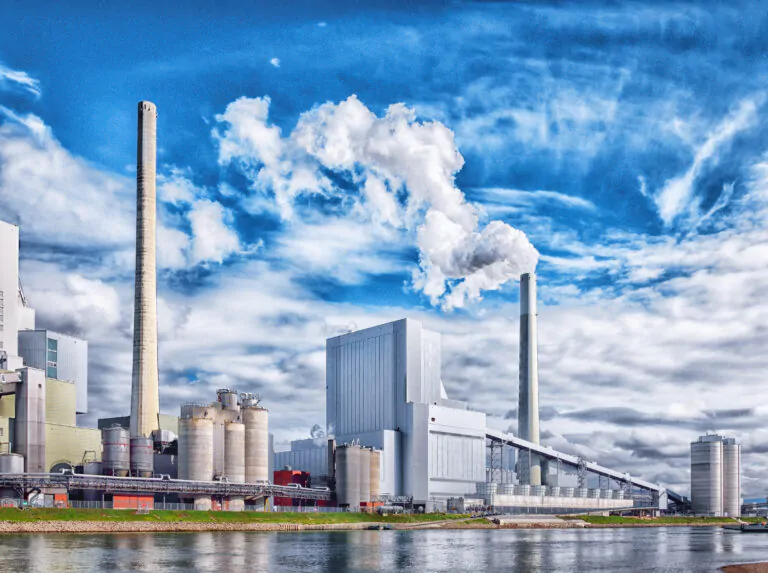
Industrial Insulation Spans Conditions No Single Material Covers
Process pipes at 600°C need rock wool with metal jacketing. Cryogenic lines at -162°C need vapor-tight cellular glass. Utility chilled-water pipes need closed-cell rubber foam for condensation control. Acoustic enclosures around equipment need non-combustible absorption panels.
Using the wrong material at the wrong temperature or in the wrong moisture environment creates failures that cost far more than the insulation itself — from thermal breakdown to corrosion under insulation (CUI), the most expensive insulation failure in industrial facilities.
This page helps you match each industrial system to the right material based on operating temperature, moisture exposure, fire requirements, and mechanical conditions. Use the reference tables below, then submit one inquiry covering the full project.
Page Contents
Material Reference — Temperature, Properties & Product Forms
This table shows each material family's operating range, core properties, and available product forms. Use it as a reference when evaluating which material is technically suitable for your process conditions.
| Material | Operating Temperature | Core Properties | Typical Industrial Uses | Available Forms |
|---|---|---|---|---|
|
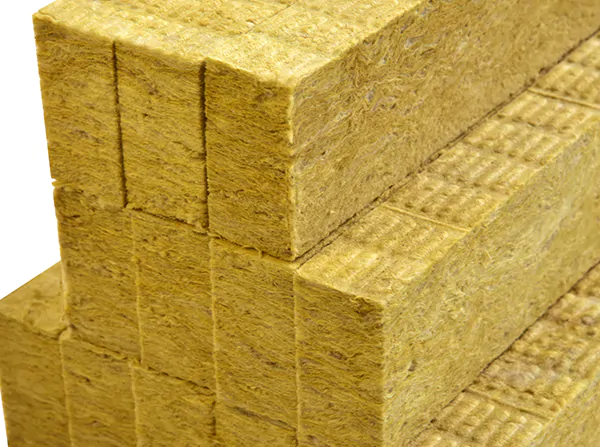
Up to +700°C * |
|
|
|
|
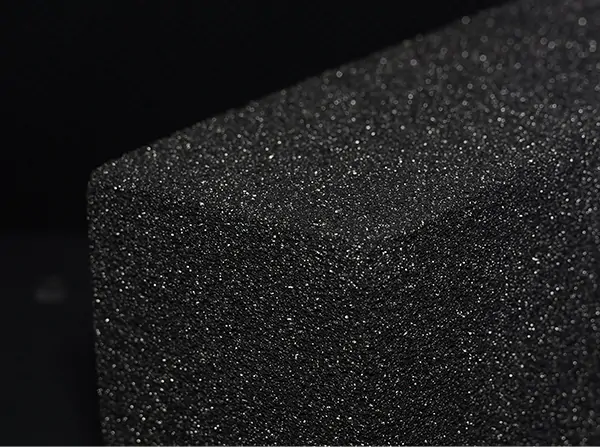
-268°C to +480°C * |
|
|
|
|
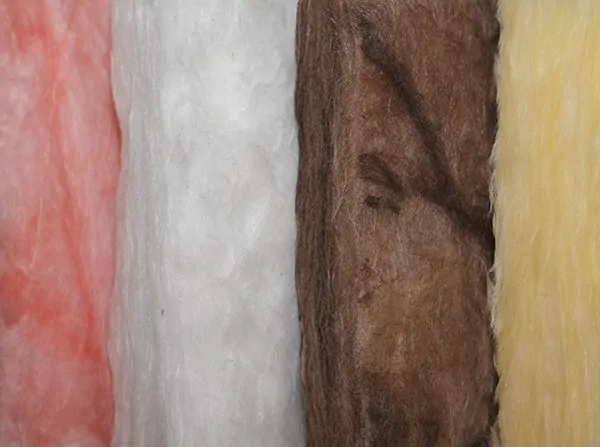
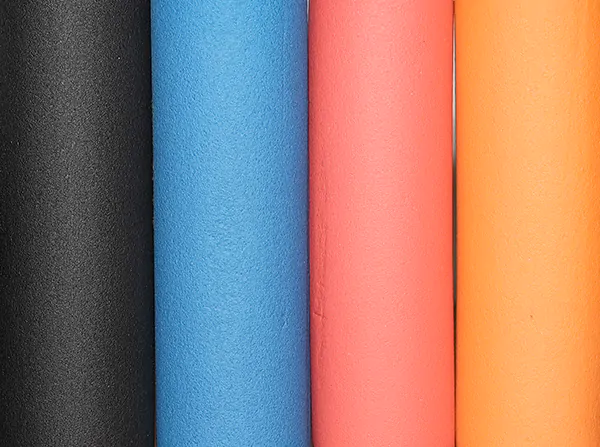
Up to +350°C * |
|
|
|
|
-50°C to +120°C * |
|
|
|
* Temperature ranges shown are typical for the material family. Actual limits vary by specific product, density, and configuration. Share your operating temperatures and we will confirm the exact product specification.
CUI Risk-Aware Selection
Material selection is the first line of defense against Corrosion Under Insulation. Cellular glass where moisture contact is continuous or CUI risk is high. Rock wool with proper jacketing design for outdoor hot service. We consider moisture exposure and corrosion environment in every recommendation — not just temperature.
Complete Pipe Insulation System
Straight sections, elbows, tees, valve covers, and fabricated fittings — in rock wool for hot service and cellular glass for cryogenic and buried service. A complete insulation envelope from one source, not gaps from uncoordinated suppliers.
Need Technical Datasheets?
Share your operating conditions and documentation requirements. We will confirm which product specifications and test reports are available for your project.
Material Guide by Industrial System
The table below matches each industrial system type to the right material. The "Why This Material" column explains the selection logic — not just what the material does, but why the alternatives do not work.
| Industrial System | Recommended Material | Why This Material — Not Others | |
|---|---|---|---|
| Hot process pipes, steam lines (above +120°C) | Rock wool pipe section with metal jacketing | Only mineral wool handles sustained high-temperature service. Rubber foam exceeds its temperature limit. Cellular glass is typically reserved for cold/cryogenic or buried conditions. Rock wool with proper jacketing is the industrial standard for hot piping. | Service temperature (normal & peak), pipe diameters, jacketing system, outdoor/indoor |
| Cryogenic pipes & equipment (-50°C to -268°C) | Cellular glass pipe section | Vapor-tight and moisture-proof without a separate barrier — critical at cryogenic temperatures where condensation drive is extreme. Mineral wool absorbs moisture and fails. Rubber foam cannot handle deep-cryogenic temperatures. | Minimum operating temperature, pipe diameters, number of layers, mastic & jacketing system |
| Tanks, vessels, boiler surfaces | Rock wool wired blanket or board | Flexible wired blanket conforms to curved tank and vessel surfaces. Board for flat panels. Non-combustible, handles the temperature range of most process vessels. Wired retention holds insulation on vertical surfaces. | Surface geometry, operating temperature, retention method, jacketing, outdoor exposure |
| Buried pipes & below-grade service | Cellular glass pipe section or board | The only insulation that survives continuous ground moisture and compressive soil loads without absorbing water or losing performance. Mineral wool and rubber foam degrade when buried. CUI is eliminated because moisture cannot enter. | Burial depth, soil conditions, groundwater, compressive loads, pipe diameters |
| Utility pipes — chilled water, refrigerant | Rubber foam tube or sheet | Closed-cell structure provides integrated condensation control on cold utility pipes without a separate vapor barrier. At utility temperatures (-50°C to +120°C), rubber foam is simpler and more cost-effective than cellular glass. | Pipe diameters, service temperature, indoor/outdoor, fire/smoke requirements |
| Acoustic enclosures, equipment noise barriers | Rock wool board or blanket | Non-combustible acoustic absorption — reduces equipment noise without adding fire risk. Combustible foam panels are a fire hazard in industrial environments with ignition sources. | Acoustic target, equipment type, fire classification, enclosure dimensions |
| Outdoor tanks & pipe racks (weather exposure) | Rock wool with metal jacketing / Cellular glass | Rock wool under metal jacketing is the standard for outdoor hot service. Cellular glass is preferred where CUI risk is high or moisture exposure is severe — its closed-cell structure means no water absorption even if jacketing is breached. | Exposure conditions, operating temperature, CUI risk, jacketing system |
| Moderate-temperature equipment & acoustic panels | Glass wool board or blanket | Lightweight and cost-effective for large-area thermal and acoustic insulation where temperature is within range and fire/density requirements do not demand rock wool. | Temperature range, area, density requirement, acoustic target |
Not sure which material fits your process conditions? Send us the operating temperatures, system types, and environmental conditions — we will recommend the right material for each system and confirm product specifications.
What We Supply With the Materials
Industrial insulation procurement requires more than the right material — it requires the documentation that proves the material meets operating conditions, fire requirements, and project specifications.
Thermal & Operating Data
Every product is supplied with thermal conductivity data, temperature limits, available thicknesses, and density specifications. Share your operating temperature range and thermal target — we will confirm which product specification matches.
We can provide: thermal conductivity (lambda), max service temperature, thickness & density ranges, compressive strength data (cellular glass)
Fire Documentation
Rock wool and cellular glass products are supplied with fire reaction classification reports where available. Fire performance belongs to the tested system — we provide material-level fire documentation to support the system specification.
We can provide: fire reaction reports (EN 13501-1, ASTM E84), non-combustibility classification data
CUI-Relevant Material Data
Material selection is the first line of defense against corrosion under insulation. We provide the material property data — water absorption, vapor permeability, chloride content — that your CUI risk assessment requires.
We can provide: water absorption data, vapor transmission data, chloride content data (where tested)
Product Certificates & Compliance
ISO 9001 quality management certification, CE marking, and product-specific test reports are available across material families. Share your project's compliance requirements and we will confirm document availability.
We can provide: ISO 9001, CE marking, product datasheets, SDS, test reports per ASTM C612/C547/C552/C534
Supply Capability
We supply insulation materials for industrial projects — from single-system pipe insulation to full-plant multi-material programs.
Full Temperature Range in One Supply Chain
Rock wool for process temperatures up to +700°C. Cellular glass for cryogenic service down to -268°C. Glass wool for moderate-temperature service. Rubber foam for utility condensation control. One supplier covers the entire plant.
Complete Pipe System Supply
Straight sections, elbows, tees, valve covers, and fabricated fittings in rock wool and cellular glass. Mixed-material and mixed-size pipe insulation orders for industrial projects where hot and cold service coexist in the same plant.
Mixed-Material Project Orders
One inquiry can include rock wool pipe for hot service, cellular glass for cryogenic lines, rubber foam for utility pipes, and glass wool for acoustic panels — different materials, different sizes, different forms, consolidated into one quotation and one shipment coordination.
Inquiry-to-Quotation Process
Send your process conditions, pipe schedule, and equipment list. We respond with material recommendations matched to each system, product specifications, and consolidated pricing. Typical quotation response within 3 business days.
Quick Material Match
Not sure where to start? Find your situation below for a quick material direction.
Rock wool pipe sections with metal jacketing. The industrial standard for hot service — handles sustained temperatures up to +700°C depending on product specification.
Cellular glass pipe sections — vapor-tight, moisture-proof, handles temperatures down to -268°C. Multi-layer installation with cryogenic mastic for extreme cold service.
Cellular glass. The only insulation that survives continuous ground moisture and compressive soil loads. Inherent CUI prevention because moisture cannot enter the insulation.
Rubber foam tubes — closed-cell condensation control without a separate vapor barrier. For utility-temperature service (-50°C to +120°C), rubber foam is simpler and more cost-effective than cellular glass.
Rock wool board or blanket — non-combustible acoustic absorption. Does not add fire risk in industrial environments with ignition sources.
Material choice is the first CUI defense. Cellular glass where moisture exposure is severe (inherently moisture-proof). Rock wool with properly designed jacketing for hot service. Share the exposure conditions and we will recommend based on CUI risk.
This is exactly what we do. Send the process conditions, pipe schedule, and equipment list — we will match each system to the right material and quote the entire insulation program together.
Industrial Sectors We Supply
Industrial Project Showcase
Example project implementations across industrial sectors, showing how different material families solve different operating conditions.
| Industry | Project | Solution | ||
|---|---|---|---|---|
| Power Generation | Power Plant Boiler & Steam Pipe Insulation Upgrade | Aging insulation on >600°C systems; heat loss & safety risks. | High-density rock wool (boards/pipes) with metal jacketing. | Reduced heat loss, improved efficiency, enhanced personnel safety, lower maintenance. |
| HVAC & Light Steel Structure | Commercial HVAC Duct & Steel Roof Insulation | Inefficient duct insulation & poor roof thermal control. | Glass wool (boards/blankets) for ducts; foil-faced blankets for roofs. | Lower HVAC energy use, reduced duct losses, stable indoor temperatures. |
| Petrochemical / LNG | LNG Tank & Cryogenic Pipeline Insulation | Insulating -162°C systems against moisture, CUI, ensuring stability. | Multi-layer cellular glass (pipes/boards) with cryogenic mastics & jacketing. | Reduced boil-off gas, CUI eliminated, extended service life, lower O&M costs. |
| Food Processing / Pharma | Cleanroom & Cold Storage Refrigeration Pipe Insulation | Condensation & contamination risks on cold pipes in hygiene-critical areas. | B1 fire-rated closed-cell rubber foam (tubes/sheets), sealed joints. | Zero condensation, cleanroom compatible, improved system efficiency. |
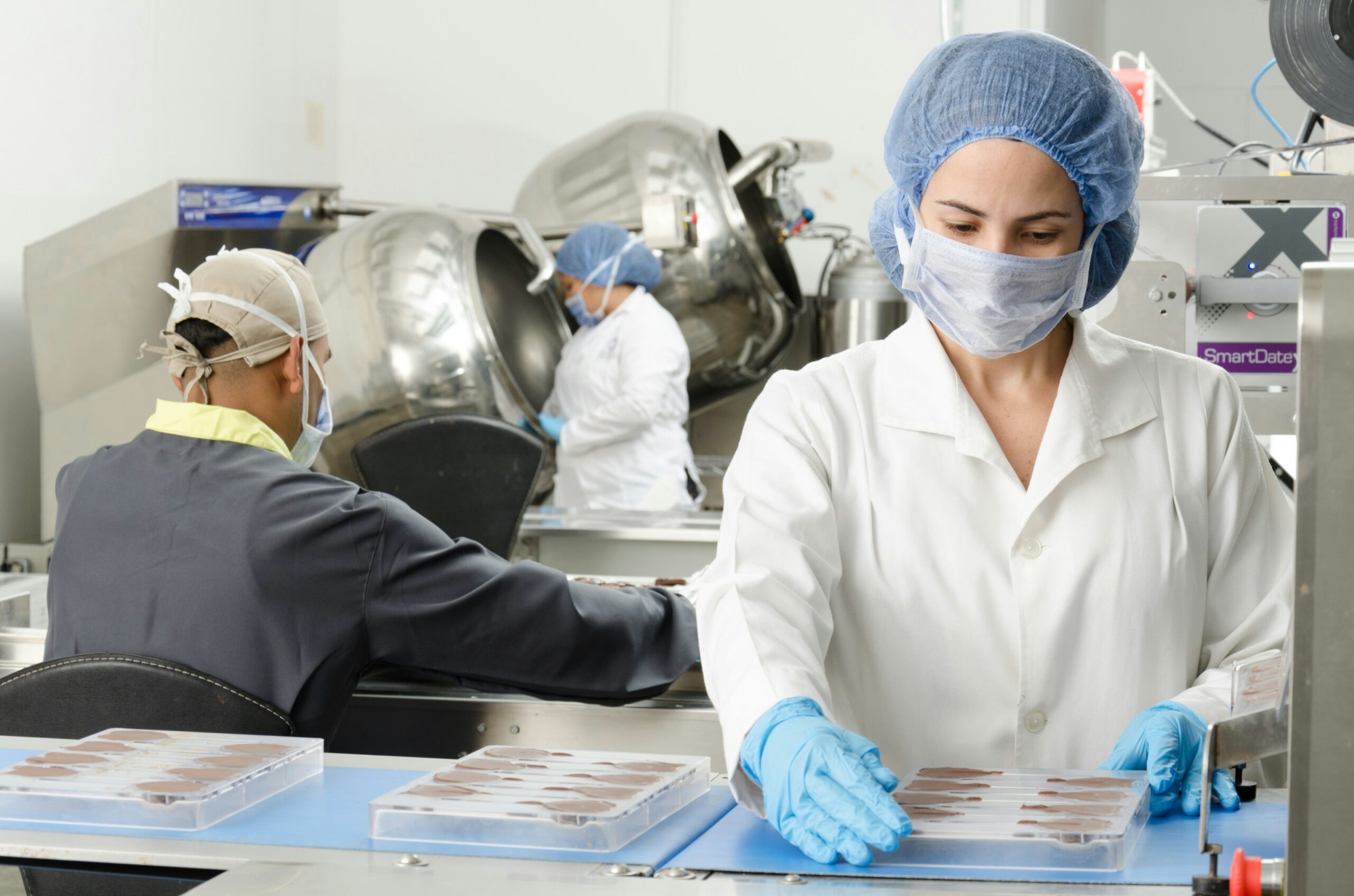
Pharmaceutical Manufacturing
Cleanroom-compatible rubber foam insulation for sterile processing areas. Sealed joints prevent condensation and contamination on cold refrigeration pipes while meeting GMP hygiene requirements.

LNG Terminal Cryogenic Insulation
Multi-layer cellular glass insulation system for LNG storage tanks operating at -162°C. Vapor-tight closed-cell structure prevents moisture ingress and eliminates CUI at cryogenic temperatures.
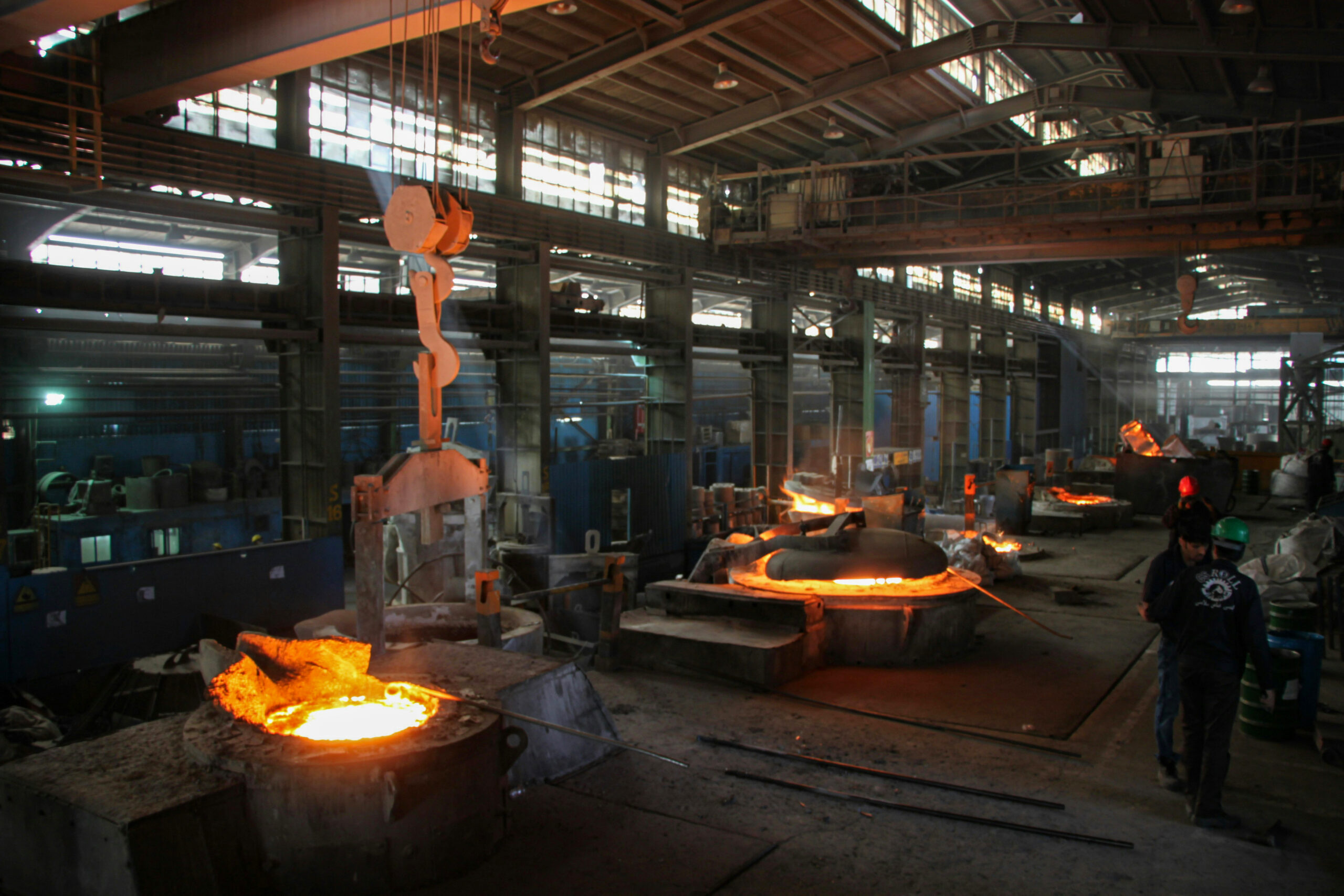
Steel Mill High-Temperature Insulation
High-density rock wool boards and wired blankets for blast furnace components and high-temperature process equipment. Metal jacketing system for long-term durability under extreme thermal cycling.
Documentation & Standards
The following documentation and standard compliance can be provided with material supply. Document availability varies by product and configuration — include your requirements in your inquiry.
Product Documentation
| Document Type | Description |
|---|---|
| Technical Datasheets | Thermal conductivity, temperature limits, density, dimensions, compressive strength per product |
| Material Safety Data Sheets (SDS) | Safety, handling, composition, and storage information |
| Installation Guidance | Product-specific handling and installation reference documents |
| Certificates | ISO 9001, CE marking, and product-specific test reports |
Test Standards
Products can be supplied with test reports to the following standards (availability varies by product):
- ASTM E84 - Surface Burning Characteristics
- ASTM C612 - Mineral Fiber Block and Board Insulation
- ASTM C547 - Mineral Fiber Pipe Insulation
- ASTM C552 - Cellular Glass Thermal Insulation
- ASTM C534 - Preformed Flexible Elastomeric Insulation
- ASTM C795 - Thermal Insulation for Austenitic Stainless Steel
- EN 13501-1 - Reaction to Fire Classification
- EN 13162 - Mineral Wool Insulation Products
- EN 14303 - Thermal Insulation Products for Building Equipment
- ISO 9001 - Quality Management Systems
- CE Marking - European Conformity (where applicable)
Note: Temperature limits, fire classifications, and mechanical performance are material-level properties. System-level performance depends on the complete insulation system design. If your project requires specific test reports or third-party verification, include these requirements in your inquiry.
Get an Industrial Insulation Quote
Send the process conditions, system types, and operating environment — we will match each system to the right insulation material and provide a consolidated multi-material quotation.
Temperature-Matched Recommendation
Every inquiry receives a material recommendation matched to your operating temperatures and process conditions.
Complete System Supply
Pipe sections, fittings, tank insulation, equipment blankets, and acoustic panels across all material families — one price sheet.
CUI-Aware Material Guidance
Material recommendations consider moisture exposure and corrosion risk alongside temperature.
Typical response within 3 business days. All project information is treated as confidential.
Industrial Project Inquiry
Tell us about your industrial systems, operating conditions, and material requirements.
Your information is secure and will only be used to respond to your inquiry.