







There is no universal thickness for fiberglass insulation. The correct thickness is the one that fits the assembly and supports its required thermal performance.
Start with the required R-value or project thermal target, then select a product and nominal thickness that fit the available cavity without gaps, folds, or unplanned compression. Local code, climate, product data, and the full wall, roof, floor, duct, or equipment assembly all matter.
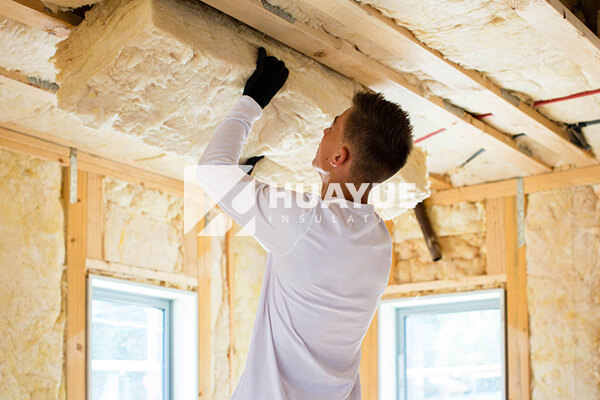
This guide explains the selection logic without treating one inch range as a universal answer. It also separates thickness selection from the different questions of how fiberglass insulation works and how it is made.
What Sets the Right Fiberglass Insulation Thickness?
Thickness is a project decision, not a material constant.
Choose fiberglass insulation thickness from the assembly’s thermal requirement, physical space, and the selected product’s declared data. A wall cavity, attic, roof, duct, pipe, and industrial surface do not use one shared thickness rule.
For building work, the starting point is the local energy requirement or the design team’s target for the assembly. The insulation layer is only one part of that assembly. Framing, sheathing, air sealing, cladding, finishes, and any continuous insulation can all change the result. A cavity product must fit the real cavity depth, not just a nominal drawing dimension. Services, bracing, uneven framing, and penetrations can reduce the usable space.
For attic and roof work, depth alone is not enough. Eaves, ventilation routes, access paths, ducts, recessed equipment, and wind exposure can affect coverage and installation details. For technical insulation, the input is different again: operating temperature, ambient conditions, equipment geometry, surface-temperature limits, jacketing, moisture-control design, and support details may govern the specification. A residential rule of thumb should not be transferred to a pipe, duct, vessel, or tank.
The practical decision is therefore a sequence: identify the location, confirm the applicable requirement, measure the available space, and match the selected product to that space. If an alternative product is proposed, compare the product’s declared performance and required installation condition rather than approving it because its nominal thickness sounds similar. This keeps “fibreglass insulation,” “fiberglass insulation,” and “fibre glass insulation” useful as material-family terms while avoiding false universal sizing claims.
Why Must Thickness, R-Value, and Installed Fit Be Read Together?
R-value describes thermal resistance under stated conditions; thickness is one condition of a particular product.
Do not convert a generic R-value-per-inch figure into a project specification. Read the selected product label or datasheet together with its nominal thickness, intended form, and installation instructions.
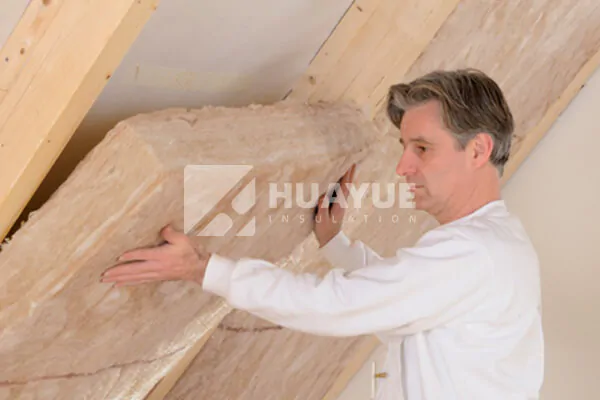
Fiberglass insulation works by slowing heat flow through a fiber-and-air structure. The U.S. Department of Energy notes that common insulation materials reduce conductive and convective heat flow, while actual performance depends strongly on installation quality. That is why the design value and the installed condition must agree. A product that is too thin can leave uncovered space; one that is forced into a shallower cavity can become compressed, folded, or difficult to fit around services.
The correct response is not to assume that “more thickness” always produces the intended outcome. Fit must be checked before the work is covered. Inspect for continuous coverage, clean cuts around obstructions, and unintended voids. Where a wall or roof design needs thermal continuity beyond the cavity, the design may use another layer or a different construction approach. That decision belongs to the assembly design, not to a generic insulation chart.
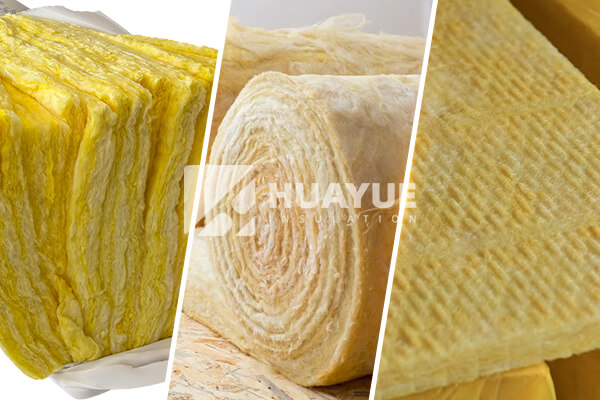
Product labels, current datasheets, and approved calculations should identify the named product and the conditions relevant to its use. They are especially important when comparing batts, rolls, boards, loose-fill material, or products with facings. The wording <code>fiberglass</code> by itself does not identify a product form, a thickness, a tested value, or an approved application. Ask the supplier or technical reviewer to confirm those items for the exact item being quoted.
How Does Fiberglass Insulation Work—and Why Does Installation Matter?
Fiberglass insulation reduces heat flow by holding air within a network of fine glass fibers.
Its performance depends on the product and the installed condition. Gaps, voids, misplaced material, and unplanned compression can prevent the insulation layer from performing as the design expects.
This is the reason thickness cannot be chosen in isolation. The installed layer has to cover the intended area and work with the rest of the construction. In a framed cavity, for example, insulation must be fitted around wiring, pipes, and openings without leaving large spaces behind or in front of the material. In roof and attic work, coverage must be coordinated with ventilation and access requirements. In technical systems, joints, supports, jacketing, and condensation-control details are part of the insulation system rather than afterthoughts.
The buyer’s most useful question is therefore not simply “How thick is the insulation?” but “What thickness and product form have been specified for this assembly, and how will installed fit be checked?” That question leads to evidence a supplier can provide: the product identity, nominal dimensions, applicable instructions, and technical documentation for the proposed use. It also prevents a broad material article from being mistaken for an engineering calculation or a local-code approval.
Readers seeking a manufacturing explanation should use the separate article on how fiberglass insulation is made. Manufacturing steps help explain how fibers are formed and finished, but they do not determine the thickness required for a particular building or equipment project.
What Should a Buyer Confirm Before Requesting Fiberglass Insulation?
An accurate thickness request begins with the application and the available space.
Send the application, assembly or equipment type, target thermal requirement, cavity or surface dimensions, and project market. Then ask for the exact product’s current datasheet and installation guidance before confirming the order.
For a first inquiry, keep the required information simple: identify where the insulation will be used and state the available depth or dimensions. Add the project country or market if a local energy code or approval basis may apply. The supplier can then determine whether more detail is needed. Drawings, facing or jacketing requirements, moisture-control expectations, quantity, packaging, destination, and document requirements can follow when they affect the recommendation.
Use the response to verify four things. First, confirm that the proposed product form fits the application. Second, confirm its nominal thickness and physical dimensions. Third, check the thermal declaration or tested data for that specific product rather than a material-family average. Fourth, confirm the installation conditions that could affect the result, including cavity fit, joints, clearances, and any required control layers.
SinoInsulation can help a buyer identify the broader insulation-material category and route a mixed-material inquiry. When the project needs detailed fiberglass product selection, product-specific performance interpretation, or a formal technical submittal, request documentation for the exact product and have the responsible project reviewer confirm the final assembly. This approach supports a useful first conversation without implying a universal thickness, code result, or product availability.
Conclusion
Select fiberglass insulation thickness from the required performance, exact product data, available space, and installed fit—not a universal inch range. Share the application and dimensions for review.