





Rockwool insulation wholesale is a high-performance solution for bulk buyers seeking thermal, fire, and acoustic protection. This article guides procurement managers and distributors on sourcing rockwool insulation wholesale, including product forms, supplier selection, and quality considerations.
Rockwool insulation wholesale offers bulk buyers reliable access to fire-resistant, thermally efficient products in board, pipe, blanket, batt, and loose fill forms. Selecting the right supplier and specifications is key for consistent quality and cost-effectiveness.
Bulk ROCK WOOL Insulation For Sale?
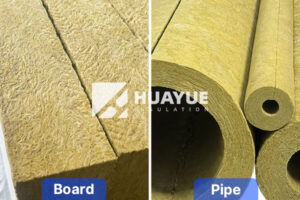
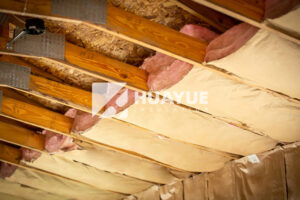
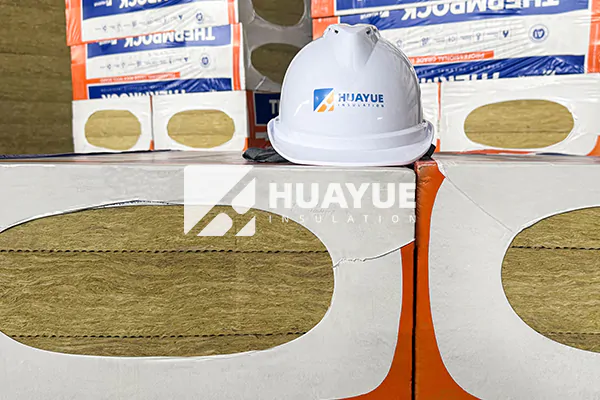
Bulk rockwool insulation wholesale is available in several forms, including boards, pipes, blankets (rolls), batts, and loose fill. These products are manufactured from natural basalt and slag, creating fibers that are pressed or spun into insulation materials suitable for various commercial and industrial applications.
Bulk buyers typically seek rockwool insulation wholesale for projects requiring large volumes, such as building envelopes, HVAC systems, industrial piping, or equipment insulation. Wholesale suppliers offer products in standardized dimensions, densities, and thermal conductivity ratings, with options for custom sizes or packaging.
Key considerations for bulk purchasing include:
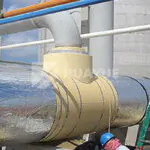
- Product Form: Boards and batts are ideal for walls and roofs; pipes suit mechanical systems; blankets or loose fill work for irregular spaces.
- Packaging: Pallets, bales, or cartons are common. Ensure packaging matches your logistics and storage needs.
- Lead Time: Confirm production and delivery schedules, especially for custom or high-volume orders.
- Quality Consistency: Request samples or test reports to verify specifications across batches.
Typical Specifications Table
| Form | Thickness (mm) | Density (kg/m³) | Thermal Conductivity (W/m·K) | Fire Rating | Packaging |
|---|---|---|---|---|---|
| Board | 30–100 | 40–200 | 0.035–0.045 | Non-combustible | Pallet, Carton |
| Blanket/Roll | 25–100 | 40–120 | 0.036–0.040 | Non-combustible | Bale, Roll |
| Pipe | 20–100 | 80–120 | 0.035–0.040 | Non-combustible | Carton, Pallet |
| Batt | 50–100 | 40–100 | 0.036–0.040 | Non-combustible | Bale, Carton |
| Loose Fill | N/A | 40–80 | 0.038–0.040 | Non-combustible | Bag |
Can mold grow in rock wool insulation?
Rockwool insulation wholesale products are inherently resistant to mold growth. This is due to their inorganic composition—basalt and slag fibers—which do not provide nutrients for mold or bacteria. Unlike organic insulation materials (such as cellulose or some foams), rockwool does not absorb or retain moisture easily, further reducing mold risk.
However, mold can develop on dust or organic debris that accumulates on the insulation surface if exposed to persistent moisture. Proper installation, ventilation, and moisture control are essential to maintain performance and prevent secondary issues.
For bulk buyers, it’s important to:
- Specify moisture-resistant packaging for transport and storage.
- Ensure suppliers provide dry, clean products.
- Train installers to avoid water ingress and maintain a clean environment during installation.
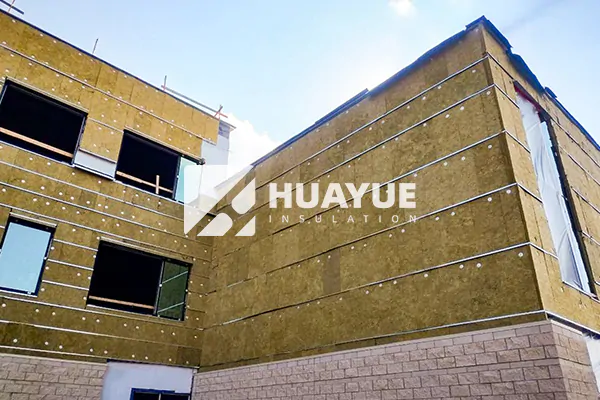
Is ROCK WOOL still asbestos?
Rockwool insulation wholesale does not contain asbestos. Modern rockwool (also known as stone wool or mineral wool) is manufactured from natural volcanic rock and slag, processed into fibers without asbestos. Asbestos was used in some older insulation products but has been banned or strictly regulated in most countries due to health risks.
Bulk buyers should confirm that suppliers comply with relevant international and local regulations regarding asbestos-free certification. Reliable suppliers will provide documentation and test reports verifying the absence of asbestos in their rockwool insulation wholesale products.
What should B2B buyers know about rockwool insulation wholesale ?
When sourcing rockwool insulation wholesale, B2B buyers must evaluate supplier reliability, product certifications, and technical support. The right supplier should offer:
- Consistent Quality: Uniform density, thickness, and performance across batches.
- Certifications: Compliance with ISO, EN, ASTM, or local standards for fire, thermal, and environmental safety.
- Customization: Ability to produce non-standard sizes, shapes, or packaging for special projects.
- Technical Support: Guidance on product selection, installation, and troubleshooting.
- Lifecycle Cost: Consider not only purchase price but also durability, maintenance, and replacement intervals.
Establishing clear specifications and communication with the manufacturer or distributor is essential to avoid misunderstandings and ensure project success.
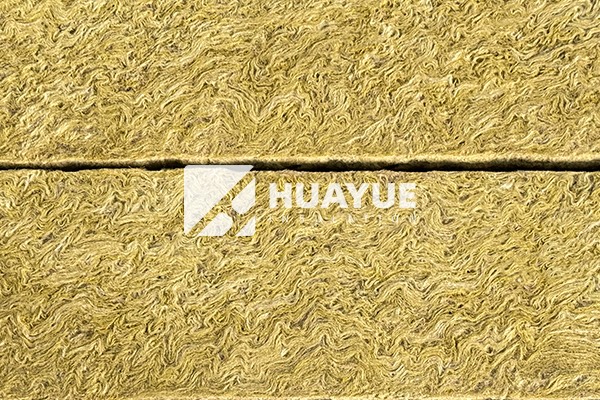
What should B2B buyers know about rockwool insulation wholesale ?
B2B buyers should also assess logistics, lead times, and after-sales service when purchasing rockwool insulation wholesale:
- Lead Times: Bulk orders may require longer manufacturing and shipping periods. Plan procurement schedules accordingly.
- Packaging & Shipping: Ensure products are packaged for protection against moisture, compression, and transport damage.
- MOQ (Minimum Order Quantity): Understand supplier minimums for wholesale pricing.
- After-Sales Service: Reliable suppliers offer support for claims, replacements, and technical assistance post-delivery.
- Sustainability: Many buyers now require environmental certifications, recycled content, or documentation of sustainable sourcing.
FAQ
Q: What forms are available in rockwool insulation wholesale?
A: Boards, pipes, blankets (rolls), batts, and loose fill are standard forms for bulk buyers.
Q: What certifications should I request for rockwool insulation wholesale?
A: Fire safety (EN, ASTM), thermal performance (ISO), and asbestos-free certificates are important.
Q: Can rockwool insulation wholesale be customized?
A: Yes, many suppliers offer custom thickness, density, dimensions, and packaging.
Q: Is rockwool insulation wholesale suitable for high-temperature applications?
A: Yes, rockwool is widely used for fire protection and high-temperature environments due to its non-combustible nature.
Q: How does rockwool insulation wholesale compare to glass wool?
A: Both are mineral fibers; rockwool offers higher fire resistance and density, while glass wool is lighter and often used for acoustic applications.
Conclusion
Rockwool insulation wholesale provides bulk buyers with fire-safe, reliable, and customizable insulation solutions. Careful supplier selection and specification management ensure consistent quality and lifecycle value for commercial and industrial projects.