







Fiberglass insulation begins as a controlled glass-making process, not a simple fiber product assembled at the job site.
Industrial manufacturers weigh glass-forming materials, melt them, fiberize the molten glass, add a binder, form a mat, cure it, then cut or leave it loose for the final insulation form.

The same core process can produce batts, rolls, boards, or loose-fill insulation, but the forming and finishing stages change the final product. This guide explains how fiberglass insulation is made, what goes into it, and what a buyer should verify before comparing suppliers. For the broader definition, applications, and handling context, see What Is Glass Wool?
How Is Fiberglass Insulation Made Step by Step?
A fiberglass line converts a glass batch into a lightweight, bonded structure through thermal, forming, and finishing stages.
The typical sequence is batch preparation, glass melting and refining, fiber formation, binder application, mat forming, curing, cooling, trimming, facing if required, and cutting or packaging.
The U.S. Environmental Protection Agency describes wool fiberglass insulation production as a sequence that starts with molten-glass preparation and ends with backing, cutting, and packaging. Its AP-42 glass fiber manufacturing chapter distinguishes insulation wool from continuous textile glass fiber, which is important because the two products use different forming and finishing routes.
First, the plant weighs and prepares the glass batch. The materials are melted in a furnace, and the melt is refined so bubbles and unwanted particles can be reduced before fiber formation. The temperature and viscosity must stay within the operating window required by the selected glass formulation; a general article should not turn one plant’s furnace setting into a universal specification.
Next comes fiberization. Depending on the line, molten glass can be converted into short fibers by a rotary spin process or by flame attenuation. In the rotary process, centrifugal force pushes the melt through small openings in a rapidly rotating cylinder, while an air stream breaks the fibers into shorter pieces. The fibers are formed while a binder solution is sprayed onto them. The binder gives the loose fibers enough cohesion to become a handleable insulation mat.
The binder-coated fibers fall onto a moving conveyor and build a mat. Conveyor conditions, mat height, and forming controls affect the structure and density of the material. The mat then passes through a curing oven, where the thermosetting binder is set, and through a cooling section. After cooling, uneven edges are trimmed. If the product requires it, a flexible backing or facing is applied before the mat is cut into batts or other specified dimensions and packaged.
The process is industrial rather than a home recipe. It involves a glass-melting furnace, fiber-forming equipment, binder handling, curing, dust control, and emissions management. The safe answer to “how to make fiberglass insulation” is therefore a manufacturing overview, not instructions for trying to produce insulation outside a controlled plant.
What Is Fiberglass Insulation Made Of?
The raw materials determine the glass melt, while the binder and any facing determine how loose fibers become a usable insulation product.
Common inputs include silica sand, recycled glass cullet, limestone, soda ash, and other formulation materials; a separate binder holds the fibers together, and a facing may be added to certain batts or blankets.
The NIST BEES generic fiberglass profile identifies sand, limestone, soda ash, and recycled glass cullet as major inputs in its modeled fiberglass insulation system. Cullet means processed waste glass that is suitable for remelting. It can reduce demand for virgin raw materials and may reduce process energy in a lifecycle model, but a generic recycled-content percentage should not be assigned to every product or plant.
| Material or component | Role in the process | What a buyer should confirm |
|---|---|---|
| Silica sand | Provides the main glass-forming input. | Product or manufacturer description of the glass formulation, when relevant. |
| Recycled glass cullet | Supplies secondary glass input for remelting. | The recycled-content basis, scope, and whether the claim applies to the named product. |
| Limestone, soda ash, and other minerals | Adjust the melt chemistry and processing behavior. | The declared product formulation only when the information is needed for a technical or environmental requirement. |
| Binder solution | Holds fibers together after forming and curing. | The named product’s binder or emissions documentation; do not infer chemistry from color. |
| Facing or backing | Adds a separate surface layer to selected products. | Facing material, vapor-control role, installation direction, and product instructions. |
The glass ingredients are melted first. The binder is applied during or after fiber formation, not mixed into the furnace as though fiberglass insulation were a plastic composite. EPA notes that binder chemistry varies by product and describes a typical thermosetting binder system rather than a universal recipe. That distinction matters when a buyer asks about formaldehyde, VOCs, recycled content, or indoor-air documentation: the answer must match the exact product and its current evidence.
The same caution applies to facing. A faced batt or blanket is not simply “more fiberglass.” It is a glass-fiber mat with an attached layer that can affect installation, vapor control, handling, or enclosure details. Paper, foil, and other facing systems should be compared by the product document and the complete assembly, not by appearance alone.
How Do Batts, Rolls, Boards, and Loose-Fill Fiberglass Differ?
Fiberglass insulation can leave the line in several physical forms, even though the underlying glass-fiber process is related.
Batts, rolls, and boards use the same glass-fiber foundation but differ in mat forming, compression, facing, dimensions, and finishing; loose-fill uses spun fibers that remain loose and unbonded.

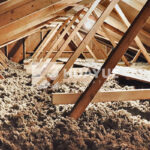
The NIST profile explains that batt insulation is formed from spun-glass fibers, collected on conveyors, controlled through curing, and cut to the required size. It describes blown fiberglass as using the same general fiber-forming method while leaving the insulation loose and unbonded. In a bonded product, the mat must retain its intended shape during handling and installation. In loose-fill, the installation method and the space into which the fibers are blown become part of the final result.
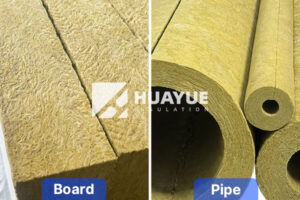
Rolls and blankets are continuous lengths that can be cut or supplied in larger runs. Batts are factory-cut pieces. Boards or panels may use a different forming or finishing specification to achieve the required shape and handling characteristics. These names describe a product form; they do not by themselves prove a thermal value, fire classification, acoustic result, moisture behavior, or suitability for a particular assembly.
For procurement, compare the same fields across quotations:
- Product form: batt, blanket or roll, board or panel, pipe section, or loose-fill.
- Nominal dimensions and thickness, including tolerances where the project requires them.
- Facing or backing, if any, and its intended role in the assembly.
- Declared thermal, fire, acoustic, moisture, or emissions data with the test method and product scope.
- Packaging, compression, labeling, and any installation document needed by the receiving or site team.
Do not compare a bonded batt with a loose-fill product only by the word “fiberglass.” The manufacturing route, density control, installation method, and tested assembly can differ. If the discussion moves from the general process to deep glass wool dimensions, facings, or product-level selection, move to the named product’s current data sheet and the responsible specialist product page rather than treating this article as a technical submittal.
What Quality and Safety Controls Matter in Fiberglass Manufacturing?
Manufacturing quality depends on process control, not on the color or softness of the finished insulation.
The important controls are consistent raw-material batching, stable fiber formation, even binder distribution, controlled mat density and thickness, cured structure, clean finishing, and safe dust and emissions management.
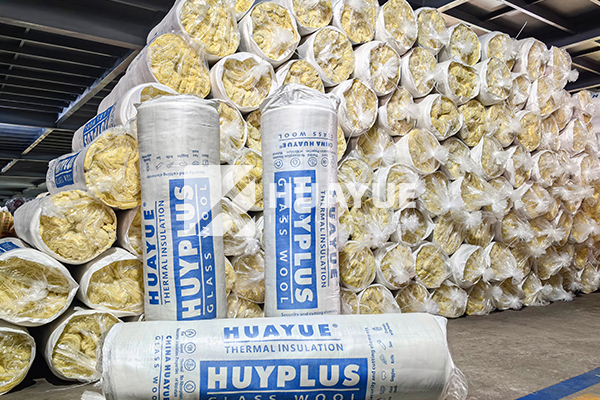
The production sequence gives a buyer a practical way to assess evidence. At the front end, the manufacturer needs a controlled batch and a melt that can be fiberized consistently. During forming, the fibers need to be distributed across the conveyor and coated with the intended binder solution. During curing and cooling, the mat must reach the intended structure before it is trimmed, faced, cut, and packed. NIST notes that conveyor conditions are used to control product structure and density, while EPA describes the curing, cooling, trimming, backing, cutting, and packaging stages.
The environmental and workplace side also matters. EPA identifies particulate, binder-resin, binder-droplet, and volatilized binder components among emissions associated with wool fiberglass production. That does not establish a universal emissions profile for every product, but it explains why a real manufacturing line requires ventilation, collection, and control systems. The Insulation Institute’s fiberglass and mineral wool safety guide recommends protective clothing, gloves, eye protection, and other work practices for handling and installation. Those recommendations are for the task and product in question; they are not a substitute for the exact SDS or local workplace requirements.
Before approving a supplier or sustainability statement, ask for evidence that matches the named product:
- A current data sheet identifying the form, facing, intended application, and declared performance.
- Test reports or declarations that state the product identity, test method, and conditions behind any thermal, fire, acoustic, or emissions claim.
- A recycled-content or environmental declaration when recycled input is part of the project requirement.
- The SDS and installation guidance for the product that will actually be supplied.
- Packaging and labeling information that lets the receiving team distinguish the ordered form and batch.
Do not use a factory photograph, product color, or a broad “eco” label as proof of composition or performance. A useful manufacturing article explains the process; a purchase decision still depends on the current product evidence and the complete installation requirement.
Conclusion
Fiberglass insulation is an industrial glass-fiber process: melt, fiberize, bind, form, cure, finish, and pack the selected form. Share the application and desired form for a focused product review.