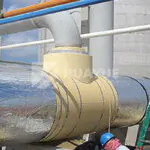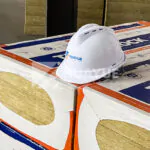








Selecting the right industrial rock wool supplier is critical for insulation projects requiring consistent performance, safety, and cost efficiency.
An industrial rock wool supplier delivers mineral wool insulation products—such as boards, pipes, and blankets—engineered for industrial thermal and fire protection. Choosing the right supplier ensures reliable quality, technical support, and compliance with international standards.
Who manufactures ROCK WOOL(China HUAYUE)?
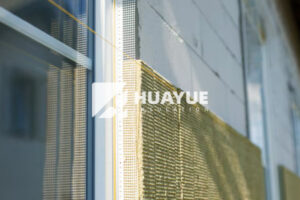
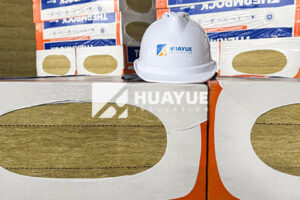
China HUAYUE Group is a prominent industrial rock wool supplier, manufacturing a full range of rock wool insulation products. As a direct manufacturer, HUAYUE produces rock wool boards, pipes, blankets, batts, and loose fill, serving both domestic and international industrial clients. Their facilities focus on high-volume, consistent output, and products engineered for demanding thermal, acoustic, and fire insulation applications.
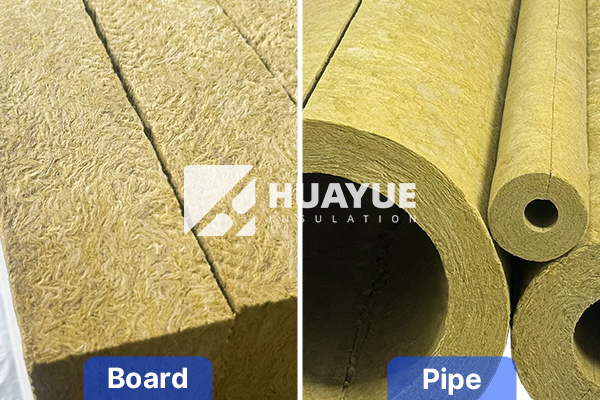
Other major global manufacturers include Rockwool Group (Denmark), Knauf Insulation (Germany), and Owens Corning (USA). However, Chinese manufacturers like HUAYUE are often chosen for large-scale projects due to competitive pricing, scalable production, and the ability to customize specifications (density, thickness, facing materials).
Main Product Forms Manufactured
| Product Form | Typical Use Cases | Custom Options |
|---|---|---|
| Board | Wall, floor, roof insulation | Density, thickness, facings |
| Pipe | Process piping, HVAC, power plants | Diameter, length, thickness |
| Blanket/Roll | Large tanks, curved surfaces | Roll length, width, facings |
| Batt | Partition walls, prefabricated units | Size, density |
| Loose Fill | Cavity fill, irregular spaces | Granule size, packaging |
Buyers should confirm that the supplier can meet required certifications (such as ISO or EN standards), provide reliable lead times, and offer technical support for installation or specification.
What is the downside of ROCK WOOL?
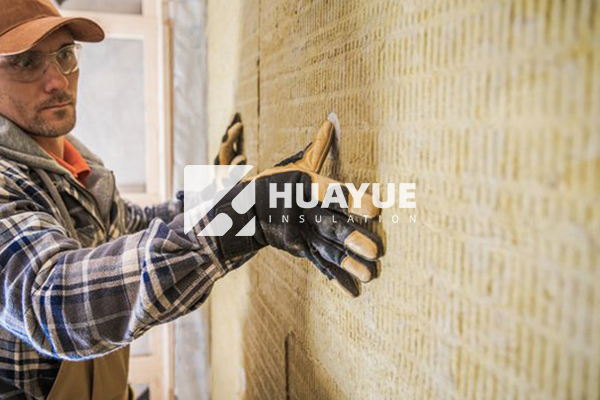
The main downside of rock wool is its handling and installation requirements. While rock wool offers excellent fire resistance and thermal performance, the mineral fibers can cause skin and respiratory irritation during installation if proper PPE is not used. Additionally, rock wool is heavier than some alternatives, which may increase transportation or structural support costs.
Other limitations include:
- Water Absorption: Standard rock wool can absorb water if not properly protected, reducing insulation performance. Industrial suppliers often offer water-repellent variants or recommend vapor barriers.
- Cost: While generally cost-effective, some high-density or specialty rock wool products may be more expensive than basic glass wool.
- Dust: Cutting or handling can generate dust, which requires appropriate site controls.
Despite these downsides, many industrial buyers choose rock wool for its superior fire rating, dimensional stability, and long-term durability.
Is there anything better than ROCK WOOL?
For many industrial applications, rock wool is considered the benchmark for fire and thermal insulation. However, whether there is “anything better” depends on specific project needs:
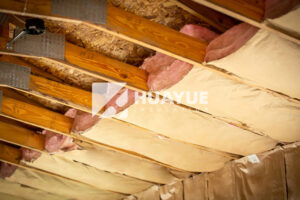
- Glass Wool: Offers similar thermal performance with lighter weight and easier handling, but lower fire resistance and compressive strength. Glass wool (including fiberglass wool forms) is often used in HVAC and building insulation where fire exposure is minimal.
- Foam Glass: Provides excellent moisture resistance and is non-combustible, making it suitable for chemical plants or cryogenic applications, but comes at a higher cost and lower compressive strength compared to rock wool.
- High-Performance Foams (e.g., PIR, PUR): Superior thermal resistance but combustible and not suitable where fire safety is a priority.
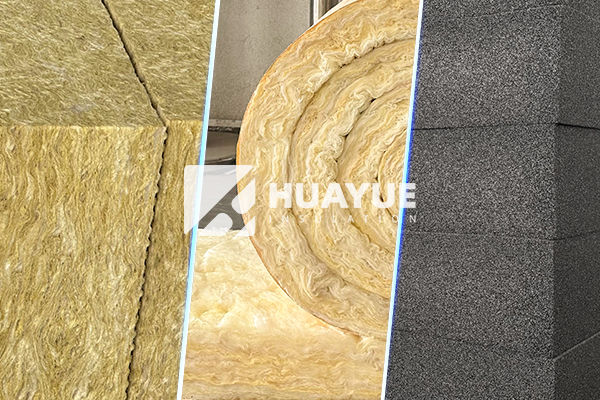
Comparison Table: Rock Wool vs. Alternatives
| Property | Rock Wool | Glass Wool | Foam Glass |
|---|---|---|---|
| Fire Resistance | Excellent | Good | Excellent |
| Thermal Conductivity | Low | Low | Very Low |
| Water Resistance | Moderate | Low | Excellent |
| Mechanical Strength | High | Moderate | Moderate |
| Cost | Moderate | Low | High |
| Handling | PPE needed | Easier | Brittle |
In summary, "better" depends on whether fire safety, moisture resistance, or cost is the primary concern. For most industrial fireproofing and high-temperature needs, rock wool remains the preferred choice.
What should B2B buyers know about industrial rock wool supplier ?
When evaluating an industrial rock wool supplier, B2B buyers should consider more than just price. Key factors include:
- Product Range: Confirm the supplier offers the required forms (board, pipe, blanket, etc.) and can customize dimensions, density, and facings as needed.
- Certifications: Look for compliance with international standards (such as ISO 9001, EN 13162) and industry-specific approvals.
- Quality Consistency: Ask about raw material sourcing, production process controls, and batch testing.
- Lead Time & Capacity: Assess the supplier’s ability to meet project schedules, especially for large or phased deliveries.
- Packaging & Logistics: Industrial insulation is often shipped in bulk; ensure packaging protects against moisture and damage, and that the supplier can handle export documentation.
- Technical Support: Reliable suppliers provide pre-sale technical advice and after-sale support for installation, troubleshooting, and performance verification.
For example, HUAYUE Group offers tailored packaging, technical datasheets, and project-specific production scheduling for international buyers.
FAQ
Q1: What is industrial rock wool made from?
Industrial rock wool is produced by melting natural basalt or diabase rock and spinning it into fibers, then forming these into boards, pipes, or blankets.
Q2: Can rock wool insulation be used outdoors?
Yes, but it requires proper facings or weather barriers to prevent water absorption and maintain performance.
Q3: How does rock wool compare to glass wool for high-temperature applications?
Rock wool generally withstands higher temperatures (up to 700°C or more) compared to glass wool, making it suitable for process industry insulation.
Q4: What packaging options are available for international shipment?
Industrial rock wool is typically packed in PE bags, cartons, or on pallets, with moisture barriers for sea freight.
Q5: How do I verify the quality of an industrial rock wool supplier?
Request technical datasheets, third-party test reports, and references for similar projects. Consistent quality and responsive communication are key indicators.
Conclusion
Choosing an industrial rock wool supplier impacts insulation performance, project timelines, and total cost. Evaluate product range, certifications, and support to ensure your industrial insulation needs are met by a reliable partner.