






Brown fiberglass is not a separate insulation category, and its color cannot confirm quality, safety, binder chemistry, performance, or damage.
Brown fiberglass insulation may be a normal factory-made product, but uneven or newly developed browning can also point to moisture, dust, heat, or contamination. Confirm the product label and original appearance first, then inspect its condition before deciding whether it can remain.
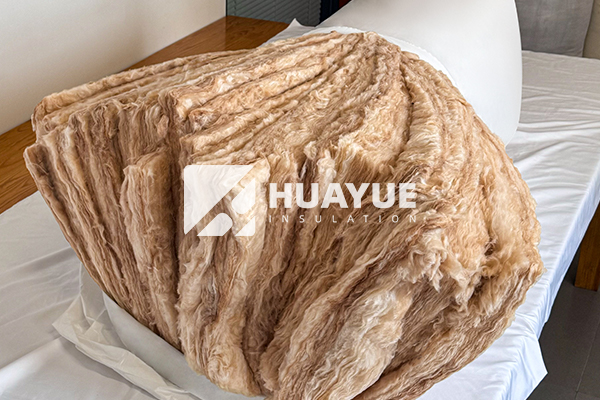
Fiberglass insulation, fibreglass insulation, and fibre glass insulation describe the same broad material family. The practical decision still begins with product identity and installed condition—not color alone.
Why Is Fiberglass Insulation Brown?
The brown tone can be introduced during production, but it does not identify one universal binder formula, environmental profile, brand, or performance level.
Fiberglass insulation is made by melting glass-forming raw materials, creating fine fibers, and preparing them as products such as batts or rolls. Binder, dye, facing, and other product-specific choices can affect the finished color; documentation, not color, identifies the actual formulation.
A generic NIST fiberglass insulation model describes a raw-material mix that can include sand, limestone, soda ash, borax, and recycled glass cullet. Although exact recipes and equipment differ, the broad manufacturing sequence is:
- Measure and blend the glass-forming raw materials.
- Melt the batch and form the molten glass into fine fibers.
- Collect the fibers as a porous web containing many small air spaces.
- Apply binder or other treatments where the product design requires them, then cure the material.
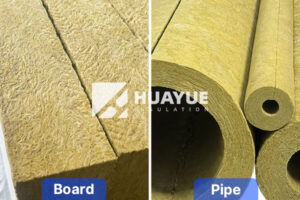
- Cut or prepare the finished insulation as batts, rolls, boards, pipe sections, or loose fill.
This explains how fiberglass insulation is made without turning color into a chemistry test. The glass composition, recycled content, binder system, facing, dye, curing conditions, and finishing process can vary by manufacturer and product. For the material-level distinction between fibers, binder, and optional components, see what fiberglass insulation is made of.
A natural brown appearance can therefore be product-specific. For example, Knauf’s official product FAQ attributes the natural color of its own fiberglass product to its ECOSE binder. That is evidence for the named product line only. It does not show that every brown product uses the same binder, has the same emissions profile, or meets the same project requirements.
Brown or dark areas that appear after installation are a different matter. Dust carried by air movement, a roof or plumbing leak, condensation, smoke, excessive heat, contact with adjacent materials, or other contamination may alter the surface. These are possible inspection paths, not diagnoses; neither a photograph nor a color description can establish the material or the cause.
How Does Fiberglass Insulation Work, Whatever Its Color?
The insulating mechanism remains the fiber-and-air structure, whether the product looks brown, pink, yellow, white, or another manufacturer-selected color.
Fiberglass insulation slows heat flow by dividing air into many small spaces and limiting conductive and convective transfer within the insulation layer. The result still depends on the selected product, installed thickness, fit, compression, and the surrounding assembly.
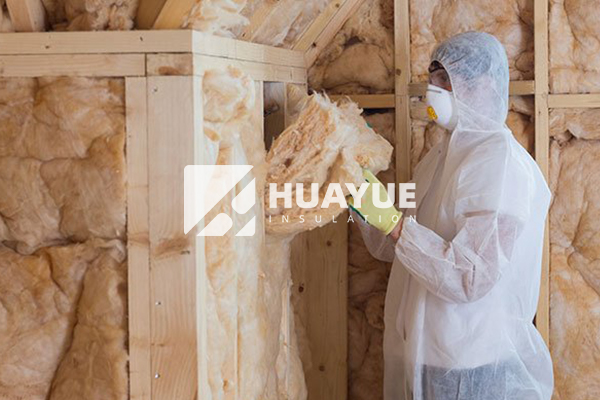
The U.S. Department of Energy’s insulation guide explains that common fibrous insulation slows conductive and convective heat flow. Its separate heat-flow guide describes conduction, convection, and radiation as the three heat-transfer modes a building assembly must manage.
Within fiberglass insulation, the fine fiber network divides open space into small air pockets. This reduces direct heat transfer through the layer and limits larger convective air loops inside the insulation. The product’s declared thermal value is therefore tied to a defined material, thickness, and test basis—not to its visible color.
Installation remains part of the outcome. Gaps leave paths around the insulation. Compression changes the intended thickness and fiber-air structure. Poor fitting around wiring, pipes, corners, and framing can create discontinuities. Fiberglass also should not be treated as a substitute for the assembly’s required air-control and moisture-control layers. Air leakage can carry heat and dust around or through gaps, while moisture can affect the insulation and nearby materials.
For product selection, begin with the required application and assembly, then compare documented values for the exact product and thickness. The broad fiberglass insulation range can help route buyers by product form, but final approval should use the current datasheet, relevant test scope, installation instructions, and project criteria.
Is Brown Fiberglass Different From Pink or Yellow Insulation?
Color can help recognize a product’s appearance, but it cannot replace a declared value, test report, label, or installation check.
Brown fiberglass is not automatically better, worse, safer, or more efficient than pink or yellow insulation. Compare the exact products by declared thermal data, dimensions, facing, test scope, emissions information, intended application, and installed condition.
Manufacturers may use a natural binder color, added dye, facing, or other product-specific visual treatment. Those choices can make products look different without creating a universal color-based performance hierarchy. Conversely, two products of the same color can differ materially in form, thickness, density, facing, intended use, documentation, and tested performance.
Use this evidence-based comparison instead of approving insulation by color:
| Decision field | Can color answer it? | What to verify |
|---|---|---|
| Product identity and application | No | Manufacturer, exact product designation, form, intended use, and current label |
| Thermal performance | No | Declared R-value or thermal conductivity, thickness, units, and test conditions |
| Acoustic performance | No | Relevant test result, assembly conditions, and project requirement |
| Fire or emissions information | No | Named product, test method, classification or result, scope, and current document |
| Dimensions, density, and facing | No | Datasheet, packaging, approved sample, and installation instructions |
| Current condition | No | Fit, gaps, compression, moisture history, staining, odor, heat exposure, and contamination |
Color also does not determine handling precautions. CDC/NIOSH guidance on fibrous glass notes possible effects on the eyes, skin, and lungs and advises users to read labels and Safety Data Sheets and apply appropriate exposure controls. The identified product, work activity, site conditions, and applicable safety requirements should determine the controls—not whether the fibers are brown or pink.
For a B2B specification, treat color as an optional appearance or identification requirement. State thermal, acoustic, fire, facing, dimensional, installation, packaging, and documentation requirements separately so suppliers can answer with product-specific evidence.
When Does Brown Insulation Need Further Inspection?
A documented, uniform brown color on dry new insulation can be normal; localized, wet, heat-affected, odorous, or changing discoloration needs cause-based inspection.
Check whether the brown appearance matches the original product, then look for wetness, odor, matted fibers, dark edges, heat damage, pests, or contamination. Correct the source before replacement, and use qualified assessment when the material or hazard is uncertain.
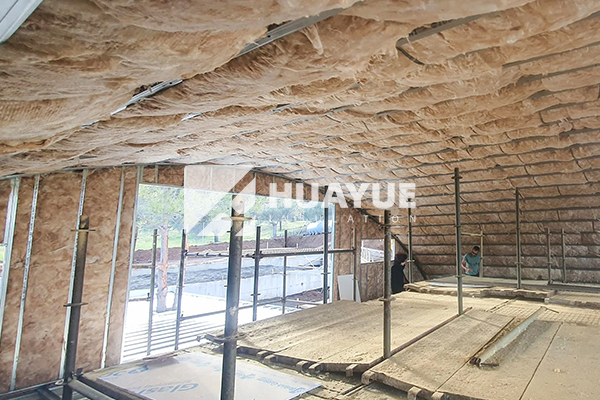
Start with records. Match the packaging or installed label to the current manufacturer document and, where available, an approved sample or installation photograph. If the product was brown when supplied, remains dry and uniform, and shows no physical deterioration, its color alone is not a reason for replacement. If the material is old, unlabeled, or visually ambiguous, do not assume it is fiberglass merely because it looks brown.
Use the surrounding evidence to choose the next check:
| Observation | What it may indicate | Next action |
|---|---|---|
| Even brown color on labeled, dry, new material | Normal documented product appearance | Verify label, datasheet revision, and approved sample |
| No label or reliable product record | Fiberglass, another insulation, a facing, or an unknown layer | Identify the material before cutting, removing, or specifying replacement |
| Dark lines near gaps, edges, or penetrations | Air movement may be depositing dust | Inspect leakage paths and the assembly’s air-control layer |
| Wet, matted, or localized stained area | Leak, condensation, or contact with wet material | Stop the moisture source and assess the complete affected assembly |
| Odor, visible growth, pests, or contaminated-water history | A broader contamination issue may be present | Limit disturbance and obtain qualified environmental guidance |
| Scorch-like color, damaged facing, hot equipment, or affected wiring | Possible heat or electrical hazard | Isolate the area when safe and contact a qualified professional promptly |
The U.S. EPA’s moisture-control guidance recommends keeping insulation and other building materials dry and correcting moisture sources. EPA guidance for water-damaged materials also indicates that wet fiberglass insulation may require replacement. The decision depends on the water source, exposure duration, contamination, product form, surrounding materials, and whether the assembly can be safely dried and verified.
Do not replace insulation solely because it is brown, and do not retain it solely because the color looks even. Confirm identity, document requirements, moisture history, physical condition, installation quality, and applicable project or code criteria. Resolve leaks, condensation, air leakage, heat sources, pests, or contamination before installing replacement material, or the same problem may return.
For a new-material inquiry, send the supplier the application, required product form, target thermal or acoustic performance, available thickness or space, facing, dimensions, quantity, destination, packing needs, and required documents. Ask for current, named-product evidence rather than approving a material by color.
Conclusion
Brown fiberglass can be normal or altered after installation; verify its identity, condition, and documented performance before keeping, replacing, or specifying it.
For project review, share the application, product photos and labels, required performance, dimensions, quantity, destination, and approval-document list.