


Mineral wool can suit demanding insulation work, but its practical drawbacks must be checked before a product or assembly is approved.
The main disadvantages of mineral wool insulation are handling irritation, potentially higher installed cost, product weight, careful fitting, and separate air, vapor, and moisture-control requirements. Their importance varies by mineral-wool type, product form, installation, and complete assembly.
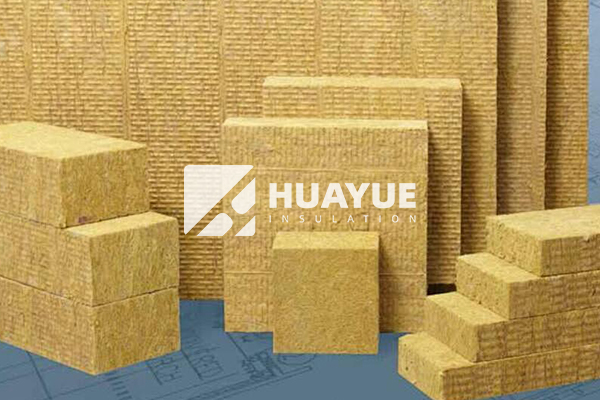
The useful decision is not whether mineral wool is universally good or bad, but which limitations apply to the project and how they will be controlled.
What Does Mineral Wool Mean in This Article?
The term can be used differently across markets, standards, supplier catalogs, and everyday search language.
This article follows the ATSDR public-health terminology: mineral wool contains stone wool and slag wool, while glass fibers and refractory ceramic fibers are separate categories. Product documents may use different labels, so buyers should verify the base material.
The Agency for Toxic Substances and Disease Registry places stone wool and slag wool within mineral wool. The NIOSH Pocket Guide also associates mineral wool fiber with rock wool and slag wool. This scope matters because a drawback observed for one product should not automatically be applied to another material sold under a similar name.
| Term | Scope used here | Buyer action |
|---|---|---|
| Mineral wool | Category containing stone wool and slag wool in the cited ATSDR terminology | Confirm whether the supplier is using the same definition |
| Stone wool or rock wool | Mineral wool made from rock or stone-based feedstock | Review the named product, form, facing, and applicable documents |
| Slag wool | Mineral wool made using furnace slag feedstock | Check the named product rather than assuming stone-wool data applies |
| Glass wool or fiberglass | A separate glass-fiber category in the cited terminology | Compare it as another insulation family when relevant |
| Refractory ceramic fiber | A separate high-temperature fiber category | Do not treat it as ordinary building mineral wool |
This page owns the category-level buyer task: identifying which disadvantages are shared handling or assembly concerns and which depend on a subtype, product form, or document. The separate rock wool disadvantages guide should be used for rock-wool-specific procurement and installation questions.
What Are the Main Disadvantages of Mineral Wool Insulation?
Most concerns appear during handling, estimating, installation, control-layer design, moisture review, and technical approval.
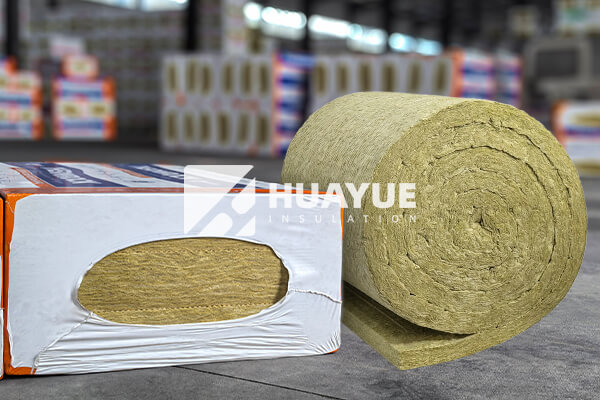
The eight main disadvantages are possible irritation, variable installed cost, weight in selected products, cutting and support effort, no automatic air seal, product-specific vapor control, wet-material decisions, and evidence that cannot be generalized across products.
| Potential disadvantage | Why it can matter | Practical response |
|---|---|---|
| Skin, eye, or airway irritation | Cutting or disturbing fibers can create dust and contact exposure. | Use the product SDS, task assessment, ventilation, housekeeping, and appropriate controls. |
| Variable installed cost | Freight, waste, accessories, membranes, labor, and documents can change the comparison. | Compare equivalent installed systems, not material price alone. |
| Weight in selected products | Unit and package weight can affect lifting, overhead work, supports, and freight. | Check the named product and package weights before planning access or fixing. |
| Cutting and support effort | Gaps, bulges, unsupported edges, or compressed areas can undermine the intended installation. | Match the form to the substrate and inspect fit around services and penetrations. |
| No automatic air seal | Fibrous insulation should not be assumed to close joints, edges, or penetrations. | Define a continuous air-control strategy where the assembly requires one. |
| Product-specific vapor control | Faced and unfaced products can create different diffusion and drying conditions. | Confirm climate, permeance, layer position, service conditions, and local requirements. |
| Wet-material decisions | Leaks or condensation can affect insulation, facings, supports, and adjacent materials. | Stop the source and use approved criteria to decide whether to dry or replace affected components. |
| Limited evidence transfer | One test result does not automatically cover another form, facing, thickness, density, or assembly. | Match each requirement to the named product and the correct document scope. |
NIOSH identifies inhalation and skin or eye contact as exposure routes for mineral wool fiber and lists irritation among possible symptoms. That supports controlled handling during cutting and installation. It does not justify describing every product as harmless or inherently dangerous, and it does not replace the selected product’s SDS or a task-specific workplace assessment.
Cost and weight also need conditional language. There is no reliable universal percentage by which mineral wool costs more, and the category name alone does not reveal package weight. A useful comparison includes delivered quantity, thickness or layers, accessories, labor, waste, storage, documentation, and the performance required from the complete system.
Which Drawbacks Change by Product Form and Assembly?
A concern linked to one board, batt, blanket, pipe section, or loose-fill system may not apply in the same way to another.
Product form changes how mineral wool is cut, retained, joined, protected, packed, and inspected. Assembly design then determines whether weight, support, air leakage, vapor diffusion, bulk water, or access becomes the controlling limitation.
| Product or installation form | Typical project concern | What to confirm |
|---|---|---|
| Board or slab | Rigidity, joints, substrate, fastening, and handling | Dimensions, unit weight, fixing method, tolerances, and application evidence |
| Batt in framing | Cavity fit, services, retention, gaps, and compression | Cavity size, thickness, support, facing, and declared product data |
| Blanket or roll | Support, sagging, overlaps, facing continuity, and package handling | Length, fixing method, facing, joints, and service conditions |
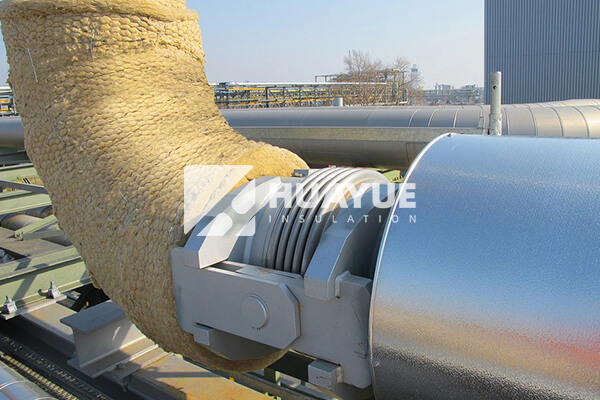
| Pipe section or technical wrap | Elbows, valves, joints, vapor stops, jackets, and inspection access | Pipe size, thickness, closure, jacket, temperature range, and condensation design |
| Loose fill | Equipment, coverage, installed condition, settlement, and access | Approved installation method, coverage data, installer requirements, and availability |
The table is a review method, not a claim that SinoInsulation currently supplies every form. Current product availability must come from an approved catalog or quotation. It also avoids a common comparison error: treating density, stiffness, facing, or test data from one item as a category-wide property.
Document scope deserves the same discipline. A thermal report supports the product and conditions it names; it does not prove acoustic isolation. A material reaction-to-fire result does not by itself establish the fire-resistance duration of a wall or floor. A vapor-permeance result for one faced sample does not automatically cover an unfaced product. Before approval, record the product name, manufacturer, form, dimensions, facing, test method, report status, field of application, and validity.
This product-and-assembly view is the main difference between a useful disadvantage analysis and a generic list of cons. It shows which issues may be managed through selection or design and which require a different material or system.
How Do Air, Vapor, and Moisture Control Affect the Decision?
Several search concerns about mold, wet insulation, and vapor barriers are really assembly-design questions rather than one material verdict.
Mineral wool should not be assumed to provide continuous air, vapor, or liquid-water control. The required layers and their positions depend on climate, indoor conditions, service temperature, facing, adjacent materials, and the intended drying path.
The U.S. Department of Energy explains that vapor retarders are part of a moisture-control strategy and classifies them by permeance. The correct requirement and location vary with construction and climate. For building envelopes, local code and the project wall or roof design remain controlling. For below-ambient ducts, pipes, or equipment, the vapor-control and joint-closure requirements must be evaluated for that service.
Treat the insulation layer and the control layers as separate specification items unless the named product and assembly documents prove that one component performs more than one function. Determine whether the selected product is faced or unfaced, whether the facing is intended to act as a vapor retarder, where it belongs, and how seams, edges, penetrations, and transitions become continuous. Avoid adding a second low-permeance layer without checking the intended drying path.
Bulk-water management is another function. Repair a leak or condensation source before evaluating the affected materials. Then inspect the insulation, facing, fasteners, jacket, substrate, and adjacent construction. The U.S. EPA moisture-control guidance recommends keeping insulation and other building materials dry and addressing wet materials promptly. Manufacturer or project criteria should determine whether components can be dried or need replacement before the assembly is closed.
Do not call the complete assembly mold-proof merely because the base fiber is inorganic. Dust, binders, facings, finishes, and neighboring materials can still be affected when moisture is present. The practical response is source control, inspection, drying or replacement criteria, and restoration of the intended air, vapor, and water-control layers.
When Should Buyers Choose Mineral Wool or an Alternative?
Mineral wool remains a candidate when verified product data and the complete assembly meet the project’s priorities.
Compare another insulation when the selected mineral wool product cannot satisfy the required weight, space, installation, air or vapor control, moisture exposure, documentation, local availability, or installed-cost conditions. Compare named products and systems rather than category reputations.
| Dominant buyer task | Mineral wool review | Another family to compare |
|---|---|---|
| Framed-cavity insulation | Check fit, labeled thermal data, facing, support, and installed cost. | Compare a named glass wool insulation product on the same scope. |
| HVAC condensation control | Check joint closure, facing or jacket, vapor control, and complex fittings. | Compare a complete rubber foam insulation system with verified service data. |
| Industrial moisture or mechanical requirements | Check water management, vapor control, jacket, support, and repair strategy. | Include a verified cellular glass insulation system in the engineered comparison. |
| Rigid, acoustic, or fire-related work | Check the exact mineral wool product and applicable assembly evidence. | Review the named rock wool insulation product without assuming category-wide performance. |
Use the table to build a shortlist, not to name an automatic substitute. Each candidate should be checked against the same application, available space, required performance, environmental exposure, control layers, installation method, document package, and delivered or installed scope.
A practical comparison follows four steps:
- Define the application, substrate, environment, access, and available space.
- Separate insulation performance from air, vapor, water, jacket, support, and workmanship responsibilities.
- Match every decisive requirement to a named product document or applicable assembly record.
- Compare quantity, freight, accessories, waste, labor, inspection, and documentation on the same basis.
Do not approve mineral wool when the selected product or proposed assembly leaves a required condition unresolved. Another material may fit better, or the mineral wool system may need a different facing, jacket, support, control layer, installation method, or evidence package.
Frequently Asked Questions
These questions address recurring safety, moisture, substitution, and procurement concerns without replacing product or project review.
Mineral wool decisions depend on the specific product, exposure, assembly, and evidence. Avoid universal safety, vapor-control, wet-reuse, or material-ranking claims, and confirm unresolved conditions before approval.
Is mineral wool safe to touch?
Avoid unnecessary bare-skin contact during cutting or installation. Follow the selected product’s SDS and task assessment for clothing, gloves, eye protection, ventilation, housekeeping, and respiratory controls.
Does mineral wool need a vapor barrier?
Not in every assembly. Climate, indoor conditions, service temperature, adjacent layers, product facing, local requirements, and the intended drying path determine whether a vapor retarder is needed and where it belongs.
What happens if mineral wool gets wet?
Stop the moisture source, inspect the complete assembly, and use manufacturer or project criteria to decide whether affected insulation and adjacent components can be dried or should be replaced.
Is mineral wool better than fiberglass?
There is no universal winner. Compare named products for the required thermal, acoustic, fire, moisture, handling, dimensional, installation, and documentation outcomes at the same installed scope.
When should you not use mineral wool insulation?
Reconsider it when weight, space, installation, exposure protection, air or vapor control, evidence, availability, or installed cost remains unacceptable after the complete system is reviewed.
What should a buyer send with an inquiry?
Start with the application, environment, temperature range where relevant, available space, product form, target performance, moisture or fire requirement, quantity, destination, packing, and required documents.
This information allows a supplier to identify exceptions and propose a product-and-document path instead of answering with generic claims. It also makes quotations more comparable because each supplier is responding to the same application and scope.
Conclusion
Choose mineral wool by product evidence and assembly needs; send the application, conditions, quantity, and document requirements for a focused comparison.