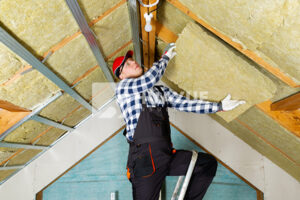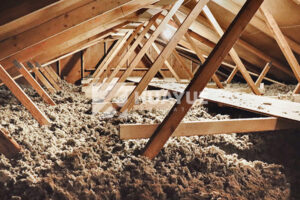








Rock wool slab insulation offers reliable thermal and acoustic performance for modern construction projects.
Rock wool slab insulation is a high-performing solution for thermal and sound insulation in buildings, valued for its fire resistance, durability, and versatility across commercial and industrial applications.
Is ROCK WOOL good for insulation?
Rock wool is highly effective for insulation, providing excellent thermal and acoustic properties. Its structure—made from spun mineral fibers—helps reduce heat loss, control sound, and resist fire. Rock wool slab insulation is commonly used in walls, roofs, floors, and industrial facilities where high performance is required.
Rock wool slabs are manufactured by melting natural basalt or diabase rock at high temperatures and spinning it into fibers. These fibers are then compressed into rigid boards or slabs. The resulting product offers:
– Thermal insulation: Typical thermal conductivity ranges from 0.035 to 0.045 W/m·K, helping maintain energy efficiency. – Acoustic insulation: The dense fiber structure absorbs sound, making it ideal for noise-sensitive environments. – Fire resistance: Rock wool is non-combustible, withstanding temperatures above 1000°C, which enhances building safety. – Dimensional stability: Slabs retain their shape over time, supporting long-term performance.
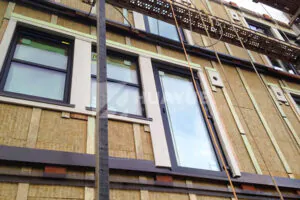
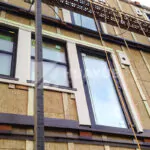
Common applications include external wall insulation systems, partition walls, roof decks, and industrial equipment insulation. Rock wool slab insulation is suitable for both new construction and retrofit projects, offering flexibility in design and installation.
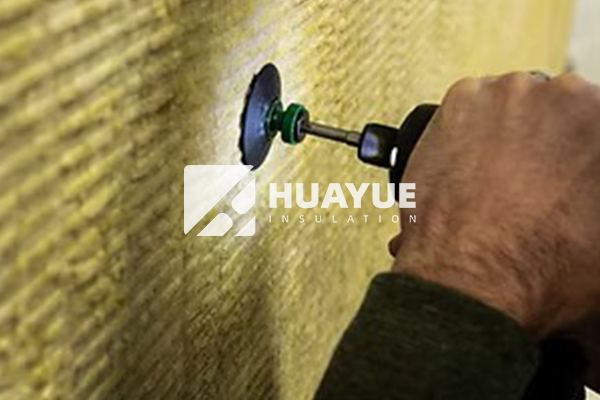
Can mold grow in ROCK WOOL insulation?
Rock wool insulation is inherently resistant to mold growth due to its inorganic mineral composition and low moisture absorption. Mold requires organic material and moisture to thrive, but rock wool slabs do not provide a nutrient source.
In practical terms:
– Water repellency: Many rock wool slabs are treated with hydrophobic agents, making them water-resistant while still allowing vapor permeability. – No organic content: The absence of organic binders or fillers prevents mold and bacterial growth. – Installation considerations: While rock wool itself does not support mold, improper installation that traps moisture between layers or allows water ingress can lead to problems in adjacent materials.
For B2B buyers, specifying rock wool slab insulation with certified water repellency and proper installation practices ensures reliable performance and minimizes risks associated with mold.
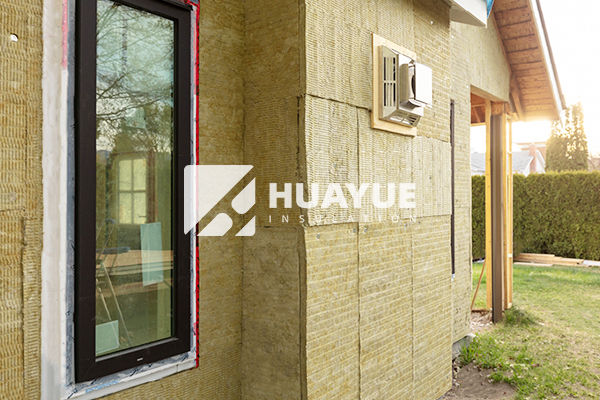
Do I need a vapor barrier when using ROCK WOOL?
A vapor barrier is not always required with rock wool slab insulation, but its necessity depends on climate, building design, and application location. Rock wool slabs are vapor permeable, allowing moisture to pass through and reducing condensation risks.
Key considerations:
– Cold climates: In cold regions, a vapor barrier on the warm side of the insulation might be needed to prevent interior moisture from condensing within the wall assembly. – Humid climates: In humid environments, vapor barriers may be omitted or placed differently to avoid trapping moisture. – Building codes: Always follow local regulations and standards, which may specify vapor barrier requirements for certain assemblies. – Product selection: Some rock wool slabs are designed for use without vapor barriers, while others may require additional protection.
Consult with building engineers or insulation suppliers to determine the appropriate vapor control strategy for your project.
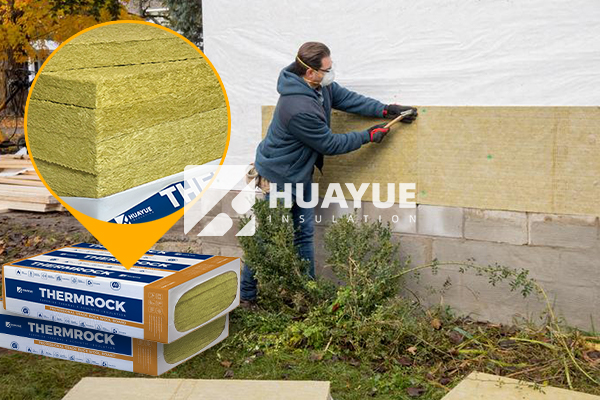
What should B2B buyers know about rock wool slab insulation?
B2B buyers must evaluate several factors when selecting rock wool slab insulation:
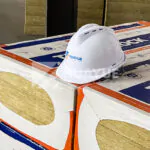
– Specifications: Thickness, density, thermal conductivity, and fire rating should match project requirements. Typical densities range from 40 to 180 kg/m³. – Certifications: Look for compliance with international standards (e.g., EN, ASTM, ISO) and fire resistance ratings. – Packaging and shipment: Rock wool slabs are usually packed in shrink-wrapped bundles or cartons; check packaging quality to ensure product integrity during transport. – Supplier reliability: Choose manufacturers with consistent quality, proven track records, and responsive technical support. – Lead time and customization: Confirm production lead times and availability of custom sizes or performance specifications. – Lifecycle cost: Assess not only initial purchase price but also durability, maintenance, and energy savings over the product’s lifespan.
Rock Wool Slab Selection Table
| Specification | Typical Range | Application Example | Notes |
|---|---|---|---|
| Thickness (mm) | 30–200 | External wall, roof, floor | Thicker for higher R-value |
| Density (kg/m³) | 40–180 | Partition, industrial | Higher density for acoustics |
| Thermal Conductivity | 0.035–0.045 W/m·K | Building envelope | Lower values = better insulation |
| Fire Resistance | Non-combustible | All applications | Enhances safety |
| Water Repellency | Optional | Humid environments | Specify if needed |
B2B buyers should request technical datasheets and samples before finalizing orders, ensuring the selected slab meets all project and regulatory requirements.
FAQ
Q1: How is rock wool slab insulation different from glass wool?
Rock wool is made from mineral rock, while glass wool is produced from glass fibers. Both offer thermal and acoustic insulation, but rock wool provides superior fire resistance and higher compressive strength.
Q2: What is the typical thickness for rock wool slabs in external wall insulation?
Typical thickness ranges from 50 to 150 mm, depending on desired thermal performance and local regulations.
Q3: Can rock wool slabs be used in industrial equipment insulation?
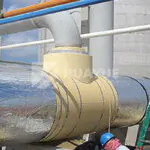
Yes, rock wool slabs are suitable for insulating machinery, ducts, and pipes due to their high-temperature stability and durability.
Q4: Are there eco-friendly options for rock wool slab insulation?
Many manufacturers offer rock wool slabs made from recycled materials and with low environmental impact, supporting green building certification.
Q5: How should rock wool slabs be stored on-site?
Store slabs in dry, covered areas, off the ground, and protected from moisture to maintain performance.
Q6: What is the expected lifespan of rock wool slab insulation?
Rock wool slabs typically last for decades, with minimal degradation if properly installed and maintained.
Conclusion
Rock wool slab insulation delivers robust thermal, acoustic, and fire performance for diverse construction needs. B2B buyers should assess specifications, certifications, and supplier reliability to ensure optimal project outcomes.