







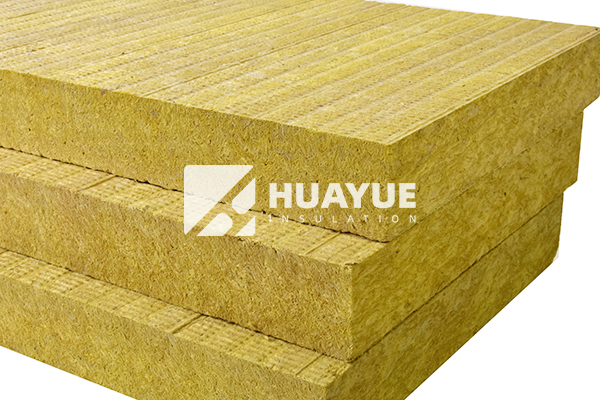
Rock wool acoustic insulation slab is a proven solution for effective soundproofing in commercial and industrial building projects. It is widely used by acoustic engineers, architects, and contractors seeking reliable performance and easy integration into various wall, ceiling, and floor assemblies.
Rock wool acoustic insulation slab delivers high sound absorption and damping, making it a preferred material for controlling noise transmission in buildings. Its dense mineral fiber structure and customizable formats suit a wide range of acoustic applications.
Is ROCK WOOL insulation good for soundproofing?
Rock wool acoustic insulation slab is highly effective for soundproofing due to its dense, fibrous structure and mineral composition. It absorbs airborne sound waves and reduces reverberation, making it suitable for walls, ceilings, floors, and partitions in offices, studios, schools, and industrial facilities.
The performance of rock wool in sound insulation is measured by its Noise Reduction Coefficient (NRC) and Sound Transmission Class (STC). Typical slabs offer NRC values between 0.75 and 1.00, depending on thickness and density. These values indicate excellent absorption of mid-to-high frequency noise.
Rock wool slabs also resist vibration and impact noise, further enhancing acoustic comfort. Compared to glass wool and foam materials, rock wool provides superior fire resistance and durability, making it ideal for demanding environments.
| Material | NRC Range | Fire Rating | Typical Applications |
|---|---|---|---|
| Rock wool slab | 0.75–1.00 | Non-combustible | Walls, ceilings, floors |
| Glass wool slab | 0.70–0.95 | Non-combustible | Partitions, ceilings |
| Foam panels | 0.60–0.85 | Varies | Studios, home theaters |
Can you use ROCK WOOL for acoustic panels?
Rock wool acoustic insulation slab is commonly used as the core material in acoustic panels. Its mineral fiber composition allows for high sound absorption and efficient control of echo and reverberation. Panels using rock wool slabs are installed in offices, auditoriums, studios, and industrial spaces to improve speech clarity and reduce noise.
To create acoustic panels, slabs are typically cut to size and enclosed in fabric or perforated metal frames. The panels can be mounted on walls or ceilings, either exposed or behind decorative finishes. Rock wool’s fire resistance and moisture stability make it a safe choice for public and commercial spaces.
For optimal results, panel thickness and density should be matched to the target frequency range and noise levels. Thicker slabs (40–100 mm) are more effective for low-frequency absorption, while standard 25–50 mm slabs suit general applications.
Do I need an air gap with ROCK WOOL insulation?
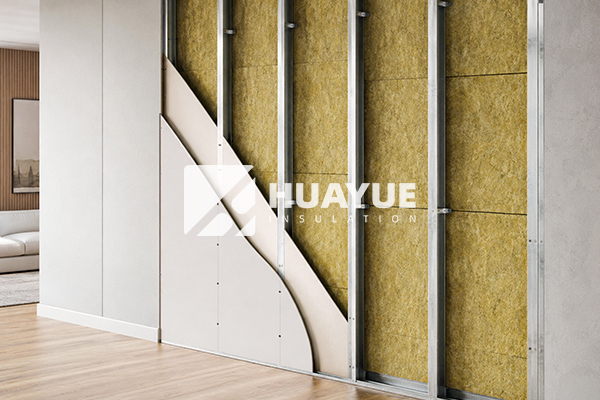
An air gap can enhance the acoustic performance of rock wool acoustic insulation slab, but it is not always required. When installed as part of a stud wall or suspended ceiling, an air gap between the slab and the adjacent surface increases sound absorption, especially at lower frequencies.
For example, placing rock wool slabs inside a cavity wall with a small air gap improves both NRC and STC ratings. The gap allows sound waves to dissipate before reaching the slab, maximizing absorption. However, direct contact installation is also effective for general noise control and fire safety.
In B2B projects, the decision to use an air gap depends on acoustic targets, space constraints, and installation requirements. Consult project specifications or acoustic consultants to determine the best approach for each application.
What should B2B buyers know about rock wool acoustic insulation slab ?
B2B buyers should consider several key factors when selecting rock wool acoustic insulation slab for soundproofing projects:
- Specifications: Thickness (25–100 mm), density (40–120 kg/m³), NRC and STC ratings, and fire resistance (typically Euroclass A1/A2).
- Certifications: Compliance with local and international standards (e.g., EN, ASTM, ISO), fire safety, and environmental certifications.
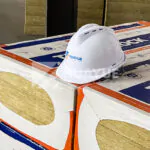
- Packaging: Slabs are supplied in shrink-wrapped bundles or cartons, with labeling for easy identification and handling.
- Lead Time: Reliable suppliers offer consistent lead times, with options for bulk orders and custom dimensions.
- Customization: Project-specific sizing, edge finishes, and facings (e.g., foil, fabric) are available to suit different installations.
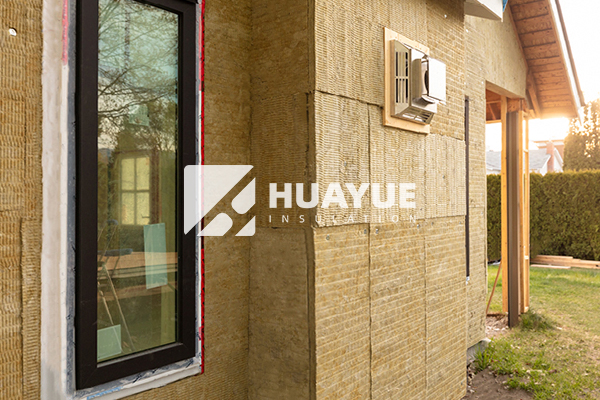
Rock wool slabs can be integrated into modular systems, pre-fabricated panels, or custom assemblies, supporting both retrofit and new build projects. Buyers should request technical datasheets and sample slabs to verify performance and compatibility.
What should B2B buyers know about rock wool acoustic insulation slab ?
Quality consistency and lifecycle cost are crucial for B2B buyers of rock wool acoustic insulation slab. Choose manufacturers with robust quality control, stable sourcing, and proven track records in large-scale projects. Consistent density, thickness, and fiber distribution ensure reliable acoustic and fire performance.
Lifecycle cost includes not only purchase price but also installation, maintenance, and durability. Rock wool slabs offer long service life, minimal degradation, and resistance to moisture, mold, and pests. These properties reduce replacement frequency and maintenance costs compared to organic or foam alternatives.
For facility managers and contractors, working with experienced suppliers such as HUAYUE Group ensures access to technical support, product customization, and timely delivery. Confirm warranty terms and after-sales support to safeguard your investment.
FAQ
What is the NRC of typical rock wool acoustic insulation slab?
NRC values range from 0.75 to 1.00, depending on slab thickness and density.
Are rock wool slabs suitable for high humidity environments?
Yes, rock wool is hydrophobic and resists moisture, making it ideal for humid areas and industrial spaces.
Can rock wool acoustic insulation slab be cut on-site?
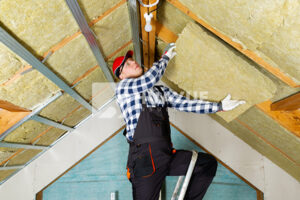
Slabs can be easily cut with a utility knife or saw to fit custom shapes and sizes.
Is rock wool acoustic insulation slab fire-resistant?
Rock wool slabs are non-combustible and typically rated Euroclass A1 or A2, suitable for fire-safe installations.
How are rock wool slabs packaged for B2B shipment?
Slabs are shrink-wrapped or boxed, with clear labeling and palletized for efficient transport and handling.
Do rock wool slabs require special installation tools?
Standard hand tools are sufficient. For large jobs, installers may use mechanical cutters or panel presses.
Conclusion
Rock wool acoustic insulation slab is a versatile, high-performance material for soundproofing in commercial and industrial projects. It offers excellent acoustic absorption, fire safety, and durability, making it a preferred choice for B2B buyers seeking reliable solutions.