






Mineral wool thermal insulation is widely used in construction for its excellent heat resistance and fire safety. This article explores its properties, advantages, disadvantages, and practical considerations for specifiers.
Mineral wool thermal insulation, including rock wool, provides effective heat insulation, fire resistance, and sound control for buildings. Its performance depends on product form, installation, and application requirements.
Is mineral wool good for heat insulation?
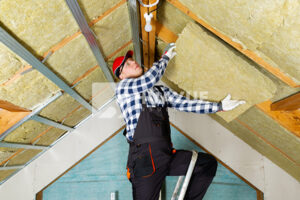
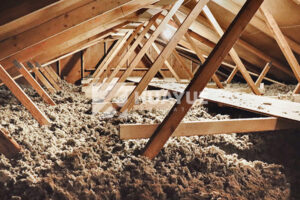
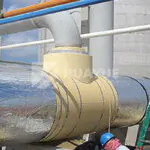
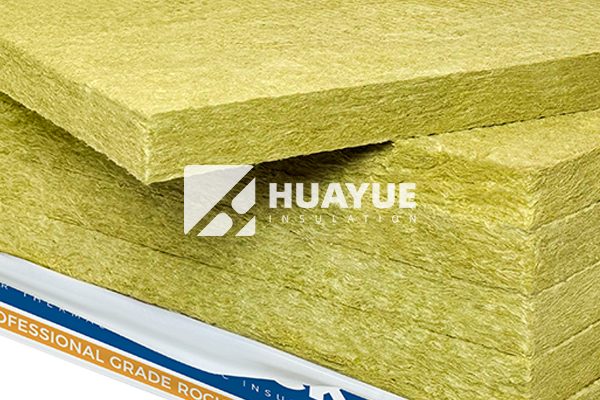
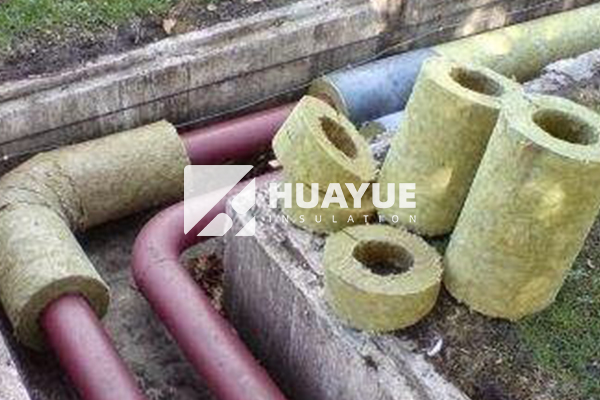
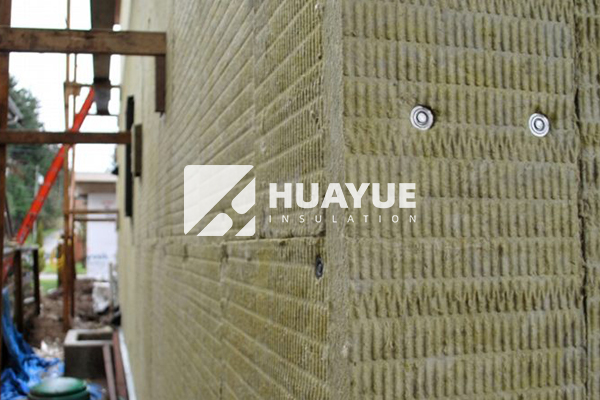
Mineral wool is highly effective for heat insulation due to its low thermal conductivity and dense fiber structure. Rock wool, a major type of mineral wool, is manufactured from natural basalt or slag, spun into fibers and formed into boards, rolls, pipes, batts, or loose fill. These fibers trap air, creating a thermal barrier that slows heat transfer.
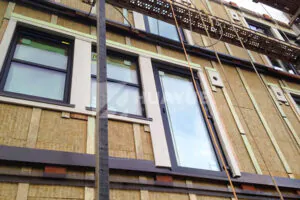
Mineral wool’s typical thermal conductivity ranges from 0.035 to 0.045 W/m·K, making it suitable for wall, roof, floor, and pipe insulation. Compared to other insulation materials, mineral wool maintains its insulating properties even at high temperatures and is non-combustible. This makes it ideal for fire-rated assemblies and industrial applications.
Specifiers can choose from various forms:
| Product Form | Typical Uses | Packaging Options | Thickness Range (mm) |
|---|---|---|---|
| Rock wool board | External walls, roofs | Shrink-wrapped, palletized | 30–150 |
| Rock wool pipe | Pipe insulation | Carton, bundles | 20–100 (diameter) |
| Rock wool blanket/roll | Roofs, partition walls | Rolls, bags | 25–100 |
| Rock wool batt | Cavity walls, floors | Cartons | 40–100 |
| Rock wool loose fill | Irregular voids | Bags | N/A |
Thermal insulation performance depends on correct installation and product selection. For maximum heat insulation, choose the right thickness and density according to local climate and building code.
What are the disadvantages of mineral wool insulation?
Mineral wool insulation offers many benefits, but there are some disadvantages to consider:
Direct answer: Mineral wool insulation can be heavy, may require protective handling, and is sometimes more expensive than alternatives. It can release fibers during installation, and moisture resistance depends on product type.
Practical disadvantages
– Weight: Mineral wool boards and pipes are heavier than glass wool or foam-based insulation, which may affect installation logistics and structural loads. – Handling: Loose fibers can cause skin irritation and require PPE (personal protective equipment) during installation. Proper packaging and site safety are important. – Cost: Mineral wool is often more expensive than glass wool or foam insulation, especially for high-density or specialty products. – Moisture sensitivity: Standard mineral wool can absorb water if not treated or protected, potentially reducing thermal performance and durability. – Availability: Lead times may vary based on supplier capacity, customization, and regional demand. Reliable suppliers ensure consistent quality and delivery.
For B2B buyers, consider lifecycle costs, supplier reliability, and packaging options. Check for certifications and quality control to avoid inconsistent batches.
What are the downsides of ROCK WOOL insulation?
Rock wool insulation, a type of mineral wool, shares general disadvantages but has some specific downsides:
Direct answer: Downsides of rock wool insulation include its weight, potential for fiber release, and sometimes higher cost compared to other insulation types. Moisture absorption is a concern if not properly protected.
Specific concerns
– Density and weight: Rock wool is denser and heavier than glass wool, which can increase installation effort and transport costs. – Fiber release: Cutting or handling rock wool can release fine fibers that may cause skin or respiratory irritation. Use appropriate PPE and follow manufacturer instructions. – Moisture absorption: While hydrophobic versions exist, standard rock wool can absorb moisture, leading to reduced thermal efficiency and potential degradation. – Customization limits: Some forms, such as high-density boards or specialty pipes, require precise manufacturing. Specifiers should confirm customization capabilities and tolerances with suppliers.
Rock wool performs exceptionally well in fire resistance and acoustic control, making it a preferred choice for applications where these properties are critical.
Will mold grow on mineral wool insulation?
Mineral wool insulation, including rock wool, is generally resistant to mold growth.
Direct answer: Mold does not typically grow on mineral wool insulation because it is inorganic and does not support biological growth. However, persistent moisture exposure may allow mold to grow on surface dirt or debris.
Practical guidance
– Material properties: Mineral wool fibers are made from stone or slag, which are not nutrients for mold. The insulation itself does not promote mold growth. – Moisture management: If mineral wool becomes wet and remains wet, mold may develop on organic contaminants present on its surface. Proper installation, vapor barriers, and moisture control are essential. – Inspection: Regular inspection and maintenance are recommended, especially in humid environments or areas prone to leaks.
For B2B buyers, request water-repellent or hydrophobic mineral wool if moisture exposure is expected. Verify product certifications for mold resistance and moisture management.
Do I need an air gap with rock wool insulation?
Direct answer: An air gap is not always required with rock wool insulation, but it can improve thermal performance or moisture control in certain applications.
Practical advice
– Wall assemblies: In cavity wall systems, an air gap between insulation and exterior sheathing can enhance moisture drainage and thermal efficiency. – Roof insulation: For ventilated roofs, an air gap may be recommended to prevent condensation and improve airflow. – Pipe insulation: Rock wool pipe insulation is typically installed directly onto pipes without an air gap, but vapor barriers may be needed for cold applications.
Consult local building codes and project requirements. The need for an air gap depends on climate, assembly design, and intended performance.
FAQ
Q1: What is the difference between rock wool and glass wool insulation?
Rock wool is made from basalt or slag, while glass wool is made from glass fibers. Rock wool is denser and offers higher fire resistance; glass wool is lighter and more flexible.
Q2: How is mineral wool insulation packaged for shipment?
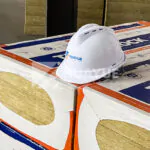
Mineral wool boards and pipes are typically shrink-wrapped and palletized. Blankets, rolls, and loose fill are packed in bags or cartons. Proper packaging protects products during transport.
Q3: Can mineral wool insulation be customized for thickness or density?
Yes, reputable suppliers offer customization for thickness, density, and dimensions. Confirm specifications and tolerances before ordering.
Q4: Is mineral wool insulation environmentally friendly?
Mineral wool is made from natural or recycled materials and can be recycled after use. Look for products with sustainability certifications.
Q5: What certifications should B2B buyers request for mineral wool insulation?
Common certifications include fire ratings, thermal conductivity, moisture resistance, and international standards (such as EN, ASTM, or ISO). Always verify with the supplier.
Conclusion
Mineral wool thermal insulation, especially rock wool, offers reliable heat insulation, fire safety, and sound control. Understand its properties, disadvantages, and installation requirements to select the best solution for your project.