






Fire stopping rock wool is a proven solution for passive fire protection in modern buildings, widely used by contractors and engineers to seal gaps and prevent fire spread.
Fire stopping rock wool is designed for firestop applications, providing high-temperature resistance, non-combustibility, and effective compartmentalization in building structures. It is used to seal penetrations, joints, and voids, supporting compliance with fire safety codes.
Can ROCK WOOL be used as a firestop?
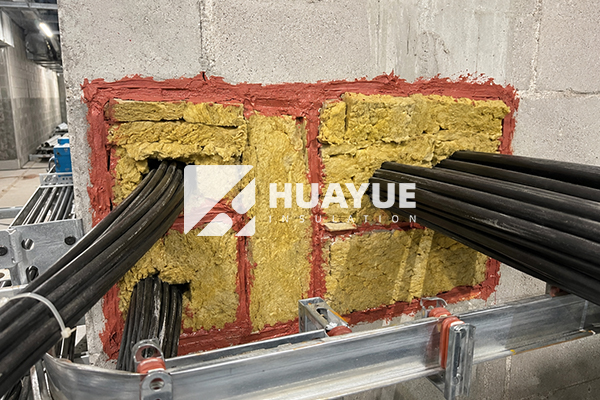
Yes, fire stopping rock wool can be used as a firestop. This insulation material is engineered to resist high temperatures and does not burn, making it ideal for sealing service penetrations, cable trays, pipe sleeves, and wall or floor joints. By forming a heat-resistant barrier, rock wool helps maintain the integrity of fire-rated compartments, slowing the spread of flames and smoke.
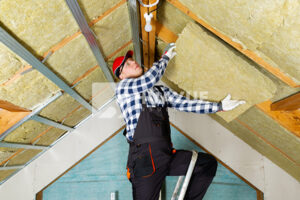
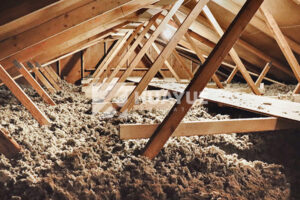
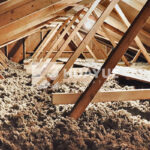
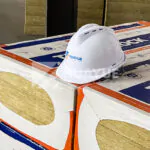
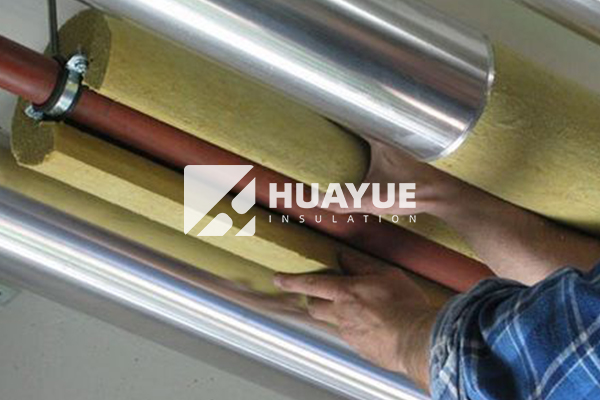
Fire stopping rock wool comes in several forms, including boards, batts, and loose fill. These can be cut and fitted to fill irregular gaps around pipes, ducts, and cables. For B2B buyers, selecting the right form and thickness is critical for meeting fire resistance ratings and installation requirements.
Firestop Application Table
| Application Area | Recommended Rock Wool Form | Typical Thickness | Fire Rating Support |
|---|---|---|---|
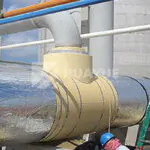
| Pipe penetrations | Pipe insulation, Loose fill | 25-100 mm | Up to 2 hours |
| Cable trays | Batts, Boards | 40-100 mm | 1-2 hours |
| Wall/floor joints | Boards, Batts | 50-150 mm | 2+ hours |
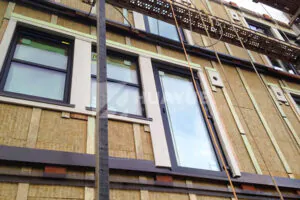
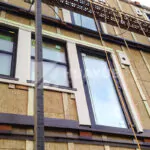
| Curtain wall gaps | Batts, Boards | 80-150 mm | 2+ hours |
Does ROCK WOOL prevent fires?
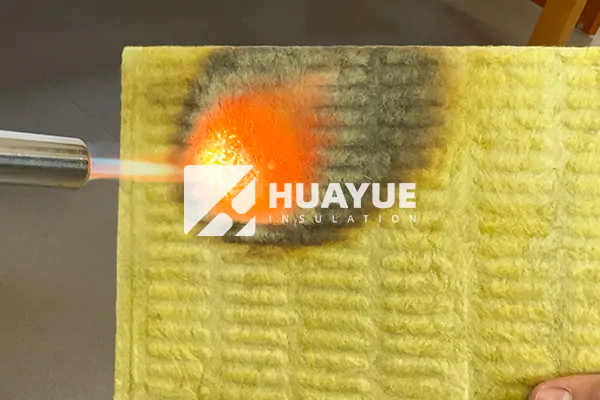
Fire stopping rock wool does not prevent the start of fires, but it significantly slows their spread. The material is non-combustible and withstands temperatures above 1000°C, acting as a passive fire barrier. When installed correctly, it limits the transfer of heat and blocks passageways for flames and smoke, giving occupants more time to evacuate and reducing structural damage.
For contractors and engineers, fire stopping rock wool is essential in fire compartmentation strategies. It is used to seal openings created by building services, maintaining fire-rated boundaries in walls, floors, and ceilings. To maximize effectiveness, ensure proper fit, compression, and coverage according to local fire codes and manufacturer guidelines.
Which ROCK WOOL is fire-resistant?
All fire stopping rock wool products are inherently fire-resistant, but performance depends on density, thickness, and form. High-density boards and batts (typically ≥100 kg/m³) offer superior fire resistance and are preferred for critical firestop zones. Pipe insulation and loose fill rock wool are also fire-resistant, but their application is more specialized.
When specifying fire stopping rock wool, check for:
- Density: Higher density improves fire and smoke blocking.
- Thickness: Thicker materials extend fire resistance duration.
- Form: Boards and batts are ideal for large gaps; pipe insulation suits round penetrations.
- Certification: Look for materials tested to EN 1366, ASTM E814, or similar firestop standards.
B2B buyers should request datasheets, fire test reports, and consistent quality from suppliers. Reliable packaging, lead times, and customization (such as pre-cut sizes) may be important for large projects.
Is mineral wool fire-stopping?
Mineral wool—including fire stopping rock wool—is widely used as a fire-stopping material. Both rock wool and glass wool fall under the mineral wool category, but rock wool is preferred for firestop due to its higher melting point and density. Mineral wool batts, boards, and loose fill are installed to seal penetrations and maintain compartmentation.
For fire-stopping applications, mineral wool should be:
- Non-combustible (tested to relevant standards)
- Properly sized and compressed to fill voids
- Compatible with fire-rated sealants, coatings, or wraps
Glass wool (sometimes called fiberglass wool) is also used for insulation, but its fire resistance is typically lower than rock wool. Always verify the product’s fire rating and suitability for firestop use.
Comparison Table: Rock Wool vs. Glass Wool for Fire-Stopping
| Property | Rock Wool | Glass Wool (Fiberglass Wool) |
|---|---|---|
| Melting Point | >1000°C | ~600°C |
| Density Range | 40-200 kg/m³ | 10-48 kg/m³ |
| Fire Resistance | Excellent | Moderate |
| Typical Usage | Firestop, insulation | Insulation, less firestop |
What is the downside of ROCK WOOL?
While fire stopping rock wool offers excellent fire protection, there are some limitations:
- Moisture Sensitivity: If not properly protected, rock wool can absorb water, affecting performance.
- Handling: Fibers may cause skin irritation during installation; protective gear is recommended.
- Cost: Higher density, fire-rated rock wool is more expensive than standard insulation.
- Space Requirements: Thick batts or boards may require more space in tight locations.
B2B buyers should consider lifecycle costs, installation challenges, and supplier reliability when selecting fire stopping rock wool. Ensure packaging protects against moisture, and verify consistent quality across batches.
FAQ
Q: What certifications should fire stopping rock wool have?
A: Look for EN 1366, ASTM E814, or local firestop standards, plus manufacturer fire test reports.
Q: Can fire stopping rock wool be customized for irregular gaps?
A: Yes, boards and batts can be cut to size; loose fill is suitable for filling complex voids.
Q: Is fire stopping rock wool suitable for HVAC duct penetrations?
A: Yes, it is commonly used to seal around ducts, maintaining fire compartment integrity.
Q: How long does fire stopping rock wool maintain its fire resistance?
A: Typically, it provides 1-2 hours of fire resistance, depending on thickness and density.
Q: What packaging options are available for fire stopping rock wool?
A: Batts and boards are usually shrink-wrapped; pipe insulation and loose fill may be bagged or boxed.
Q: Does fire stopping rock wool require maintenance after installation?
A: Minimal maintenance is needed, but periodic inspections ensure integrity over time.
Conclusion
Fire stopping rock wool is a reliable, fire-resistant solution for sealing penetrations and joints in buildings. Selecting the right form, density, and thickness ensures effective fire compartmentation and compliance with safety standards.