







Rock wool pipework insulation is a reliable solution for controlling heat loss and noise in industrial piping.
Rock wool pipework insulation is a mineral fiber product designed to provide thermal and acoustic insulation for industrial pipes. It offers high fire resistance, stable performance, and is widely used in power plants, chemical facilities, and mechanical rooms.
Does ROCK WOOL make pipe insulation?
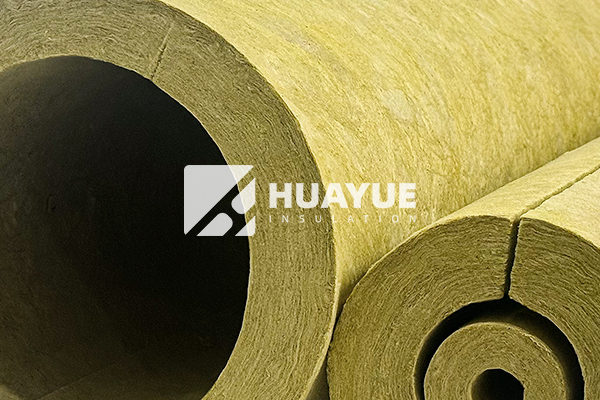
Yes, rock wool is manufactured specifically as pipe insulation. Rock wool pipe insulation is formed into cylindrical sections or shells that fit around pipes of various diameters. These pre-formed pipe sections are engineered to deliver consistent insulation thickness and density, ensuring uniform thermal and acoustic performance along the pipework.
Rock wool pipe insulation is commonly available in the following forms:
– Pre-formed pipe sections: Rigid, split for easy installation. – Pipe wraps or blankets: Flexible for irregular shapes or large diameters.
Key features include:
– Temperature resistance: Suitable for hot and cold pipework, typically withstanding service temperatures up to 650°C (1200°F) or higher depending on the binder and facing. – Fire safety: Classified as non-combustible, making it ideal for critical industrial environments. – Acoustic control: The open fiber structure absorbs sound, reducing noise from mechanical systems.
Is ROCK WOOL good for insulation?
Yes, rock wool is considered highly effective for both thermal and acoustic insulation in industrial applications. It is produced from molten volcanic rock spun into fibers, resulting in a material with excellent insulating properties.
Key benefits for insulation:
– Low thermal conductivity: Limits heat transfer, improving energy efficiency. – Moisture resistance: Maintains performance even in humid or damp conditions. – Dimensional stability: Retains shape and thickness over time, ensuring consistent insulation. – Fire performance: Will not burn or emit toxic smoke in the event of fire.
Typical thermal conductivity range: 0.033–0.045 W/m·K (varies by density and product specification).
Comparison Table: Rock Wool vs. Other Pipe Insulation Materials
| Property | Rock Wool | Glass Wool | Foam Glass |
|---|---|---|---|
| Thermal Conductivity | 0.033–0.045 W/m·K | 0.035–0.045 W/m·K | 0.038–0.055 W/m·K |
| Fire Resistance | Non-combustible | Non-combustible | Non-combustible |
| Max Service Temp | Up to 650°C+ | Up to 450°C | Up to 430°C |
| Acoustic Insulation | Excellent | Good | Moderate |
| Water Absorption | Low (with facing) | Moderate | Very low |
Do mice chew through ROCK WOOL pipe insulation?
Rock wool pipe insulation is generally not attractive to mice and other rodents. The mineral fiber composition is abrasive and unpalatable, making it unlikely for rodents to chew through or nest in rock wool products.
Practical considerations:
– Unlike organic insulation materials, rock wool does not provide a food source or comfortable nesting environment for pests. – In environments with severe rodent problems, additional protective jacketing (such as metal cladding) may be used to further deter intrusion. – Routine inspection is still recommended to ensure insulation integrity, especially in exposed outdoor or underground installations.
Can you put ROCKWOOL over pipes?
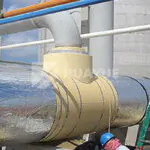
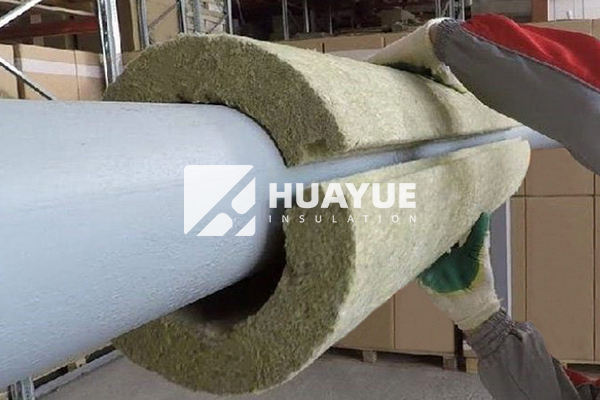
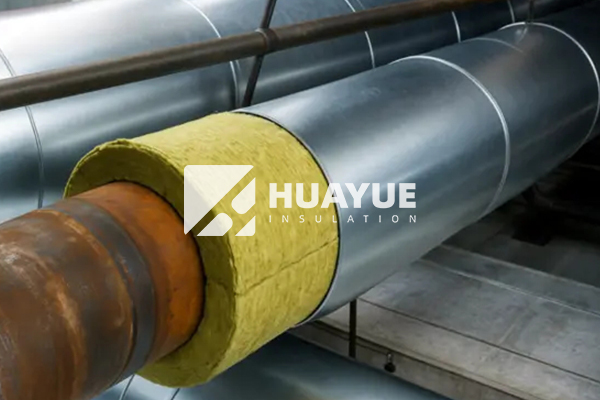
Yes, rock wool pipe insulation is specifically designed to be installed over pipes. It is available as pre-formed half-shells or flexible wraps that can be easily fitted around both straight and curved pipe sections.
Installation guidance:
– Choose the correct internal diameter: Match the pipe size for a snug fit. – Seal joints and seams: Use appropriate tape, wire, or metal bands to ensure continuous insulation coverage. – Consider protective facings: Aluminum foil, glass cloth, or other facings may be specified for moisture, mechanical, or UV protection. – Accommodate pipe supports and fittings: Use pre-cut insulation segments or custom shapes for elbows, tees, and flanges.
What should B2B buyers know about rock wool pipework insulation
When specifying rock wool pipework insulation for industrial projects, B2B buyers should consider the following:
– Product specifications: Confirm density, thickness, maximum service temperature, and facing type to match the application’s thermal, fire, and acoustic requirements. – Certifications and standards: Ensure compliance with relevant local and international standards for fire safety, thermal performance, and durability. – Packaging and handling: Evaluate packaging options (cartons, pallets, shrink wrap) for site logistics and storage needs. – Supplier reliability: Choose manufacturers with a track record of consistent quality, timely delivery, and technical support. – Customization: Some projects may require non-standard pipe sizes or special facings—discuss customization options with your supplier. – Lifecycle costs: Assess not only material price but also installation labor, maintenance, and potential energy savings over the insulation’s service life. – Lead time and availability: Plan procurement to align with project schedules, accounting for production and shipping times.
Specification Table: Typical Rock Wool Pipe Insulation Parameters
| Parameter | Typical Value/Range |
|---|---|
| Density | 80–140 kg/m³ |
| Thickness | 30–100 mm |
| Inner Diameter Range | 22–610 mm |
| Max Service Temp | 650°C or higher |
| Facing Options | Aluminum foil, glass cloth, no facing |
| Length per Section | 1 meter (standard) |
FAQ
Q1: What is the main advantage of rock wool pipe insulation in industrial settings?
A1: Its high fire resistance and low thermal conductivity provide superior protection and energy savings for high-temperature pipework.
Q2: Is rock wool pipe insulation suitable for outdoor use?
A2: Yes, with appropriate weatherproof facing and jacketing, rock wool pipe insulation can be used outdoors.
Q3: How is rock wool pipe insulation typically supplied?
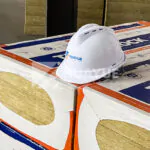
A3: Pre-formed pipe sections (half-shells) in standard lengths, with optional facings, and packed in cartons or on pallets.
Q4: Can rock wool insulation be used for both hot and cold pipes?
A4: Yes, it is suitable for both hot and chilled pipework, provided condensation control measures are implemented where needed.
Q5: Does rock wool pipe insulation contain any hazardous materials?
A5: Modern rock wool is free from asbestos and is considered safe when handled with standard PPE.
Q6: How long does rock wool pipe insulation last?
A6: It typically lasts for decades, maintaining its performance if protected from physical damage and moisture.
Conclusion
Rock wool pipework insulation offers industrial facility managers and mechanical engineers a robust solution for thermal, acoustic, and fire-safe pipe insulation. Careful selection and proper installation ensure long-term, cost-effective performance.