




Mineral wool rolls are a versatile insulation solution widely used in commercial and industrial building projects.
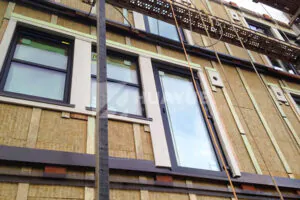
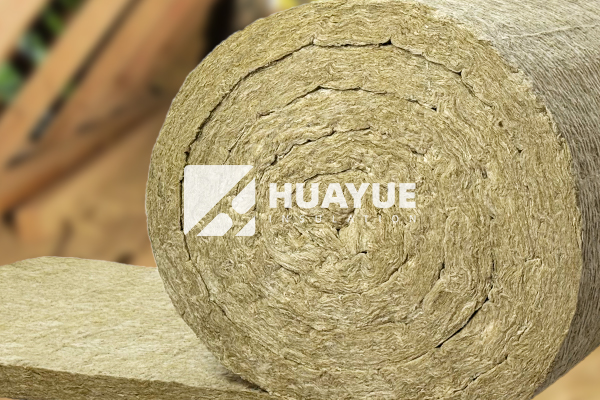
Mineral wool insulation is available in rolls, offering flexible coverage for walls, ceilings, and roofs. These rolls are valued for their thermal, acoustic, and fire-resistant properties, making them suitable for a range of construction needs.
Does mineral wool insulation come in rolls?
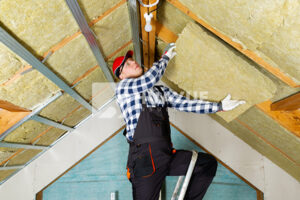
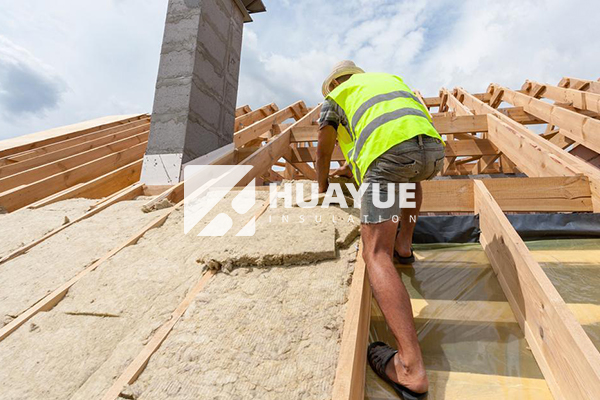
Yes, mineral wool insulation is manufactured in roll form, commonly referred to as mineral wool rolls or blankets. Rolls are especially popular for their ease of installation and flexibility, allowing contractors to cover large areas with minimal joints. The roll format is ideal for horizontal and vertical applications, including suspended ceilings, partition walls, and pitched roofs.
Mineral wool rolls are typically supplied in varying thicknesses and widths to meet different thermal and acoustic requirements. They are often made from rock wool, which is produced by melting natural basalt or slag and spinning it into fibers. This process gives the material excellent fire resistance and durability.
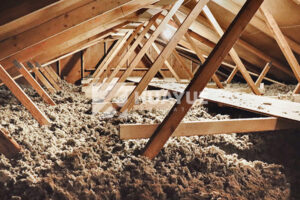
When compared to mineral wool boards, rolls are easier to handle and cut, reducing installation time and labor costs. They can be compressed for transport and storage, which is a logistical advantage for procurement managers. Rolls are also suitable for retrofitting or upgrading existing insulation systems.
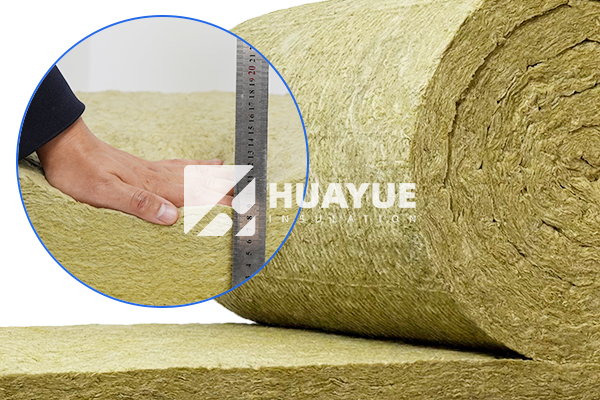
Typical specifications for mineral wool rolls include:
- Thickness: 25–200 mm
- Width: 600–1200 mm
- Length: 3–10 m per roll
- Density: 40–100 kg/m³
What are the disadvantages of mineral wool insulation?
While mineral wool rolls offer many benefits, there are some limitations to consider:
Direct answer: Mineral wool insulation can be heavier, may release dust during installation, and sometimes requires protective clothing. It is not suitable for all environments, especially where moisture exposure is high.
Practical disadvantages for contractors and procurement managers
- Weight and Handling: Mineral wool rolls, especially at higher densities, can be heavy. This may require additional labor or mechanical assistance during installation.
- Dust and Irritation: The fibers can cause skin and respiratory irritation if proper personal protective equipment (PPE) is not used. Handling mineral wool can release fine particles, so gloves and masks are recommended.
- Moisture Sensitivity: Mineral wool is hydrophobic but not waterproof. Prolonged exposure to moisture can reduce its insulation performance and may promote microbial growth if not properly protected.
- Compression and Storage: Although rolls are compressible, excessive compression can affect their thermal and acoustic properties.
- Cost: Compared to some alternatives like glass wool, mineral wool may be more expensive due to its superior fire resistance and density.
| Property | Mineral Wool Rolls | Glass Wool Rolls | Foam Glass Boards |
|---|---|---|---|
| Thermal Conductivity | Low (good) | Low (good) | Very low (best) |
| Fire Resistance | Very high | High | Highest |
| Weight | Medium-High | Low-Medium | High |
| Moisture Resistance | Hydrophobic | Hydrophobic | Waterproof |
| Installation Ease | Easy | Very easy | Moderate |
| Typical Applications | Walls, roofs | Walls, ceilings | Foundations, pipes |
| Price Level | Medium-High | Low-Medium | High |
Why is mineral wool unfaced?
Direct answer: Mineral wool rolls are typically unfaced to maximize breathability and fire resistance, allowing moisture vapor to pass through and ensuring the material does not contribute to fire spread.
Practical reasons behind unfaced mineral wool
- Breathability: Unfaced mineral wool allows vapor to escape, reducing the risk of condensation and mold growth within wall cavities. This is especially important in climates with variable humidity.
- Fire Safety: Facings, such as foil or paper, can introduce combustible elements. Unfaced mineral wool maintains its high fire resistance, making it suitable for fire-rated assemblies.
- Versatility: Unfaced rolls can be used in a wider range of applications, including areas where additional facings might not be compatible with local building codes or project requirements.
- Customization: Contractors can add facings (such as vapor barriers or acoustic membranes) as needed based on project-specific needs, giving greater flexibility during installation.
What should B2B buyers know about mineral wool rolls?
When sourcing mineral wool rolls for commercial or industrial projects, buyers should consider several key factors:
1. Specifications and Performance
- Density and Thickness: Choose based on required thermal and acoustic performance. Higher density and thickness provide better insulation but increase weight.
- Fire Ratings: Confirm compliance with local fire safety regulations. Mineral wool rolls typically offer excellent fire resistance, but certifications may vary by supplier.
2. Packaging and Logistics
- Rolls are often compressed and wrapped in plastic for transport.
- Check packaging integrity to prevent moisture ingress during shipment and storage.
- Consider lead times, especially for custom sizes or large orders.
3. Supplier Reliability
- Assess manufacturer capacity and consistency. Reliable suppliers like HUAYUE Group offer stable quality and can provide custom solutions for unique project requirements.
- Request technical data sheets and product samples for evaluation.
4. Certification and Compliance
- Verify compliance with international standards such as EN, ASTM, or ISO, depending on project location.
- Ensure the rolls are tested for fire, thermal, and acoustic performance.
5. Lifecycle Cost
- Consider not only purchase price but also installation costs, durability, and maintenance.
- Mineral wool rolls offer long-term savings due to their resistance to fire and sound transmission.
6. Customization
- Some projects require rolls with specific facings, dimensions, or densities. Discuss customization options early with suppliers.
FAQ
Q1: What are the main uses of mineral wool rolls?
Mineral wool rolls are used for thermal and acoustic insulation in walls, ceilings, roofs, and partition systems in commercial and industrial buildings.
Q2: Can mineral wool rolls be used in humid environments?
They are hydrophobic but not waterproof. In high-moisture areas, additional vapor barriers or waterproofing may be required.
Q3: Are mineral wool rolls recyclable?
Yes, mineral wool is generally recyclable and can be reused in new insulation products, supporting sustainable construction.
Q4: How do mineral wool rolls compare to glass wool rolls?
Mineral wool rolls offer superior fire resistance and higher density, but glass wool rolls are lighter and easier to handle.
Q5: What certifications should buyers look for?
Look for compliance with EN, ASTM, or ISO standards, and fire safety certifications suitable for your region.
Q6: How should mineral wool rolls be stored?
Store rolls in dry conditions, off the ground, and protected from moisture to preserve performance.
Conclusion
Mineral wool rolls provide reliable, high-performance insulation for commercial projects. Understanding their properties, limitations, and sourcing considerations helps buyers make informed decisions for successful installations.