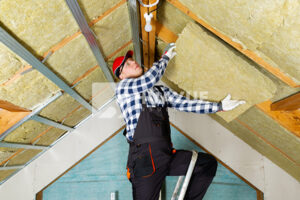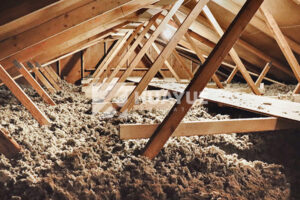







Choosing the correct rock wool insulation thickness is essential for optimal thermal, fire, and acoustic performance across building and industrial applications.
Rock wool insulation thickness refers to the measurement of the material’s depth, which directly impacts its thermal resistance, fire safety, and soundproofing capabilities. Selecting the right thickness depends on local regulations, application type, and project performance requirements.
What are the disadvantages of ROCK WOOL insulation?
While rock wool insulation offers excellent fire resistance, thermal performance, and acoustic control, it also has some disadvantages that B2B buyers should consider.
First, rock wool can be more expensive than some alternatives, such as standard glass wool or EPS foam, especially at higher thicknesses. Installation may require protective equipment, as loose fibers can cause skin or respiratory irritation. The material is denser and heavier than glass wool, potentially increasing structural load and shipping costs.
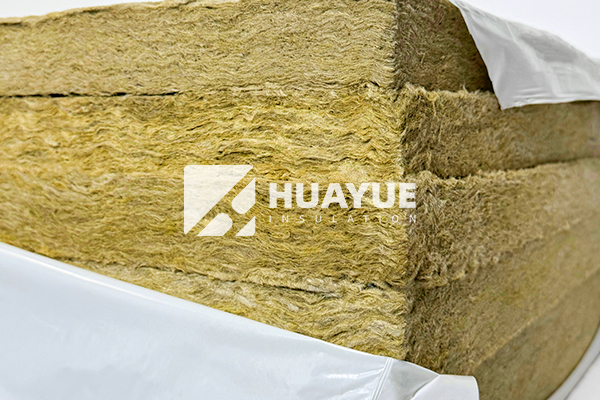
Rock wool is also hydrophobic but not waterproof—prolonged exposure to water or poor vapor barrier design can reduce its insulation effectiveness and lead to mold risks if facings are damaged. In some cases, cutting and fitting rock wool boards or batts for non-standard shapes may generate waste and require skilled labor.
Can I use ROCK WOOL for exterior insulation?
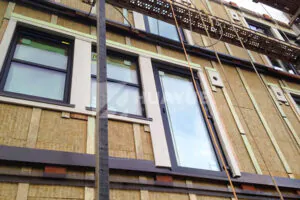
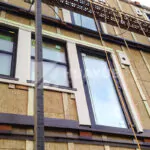
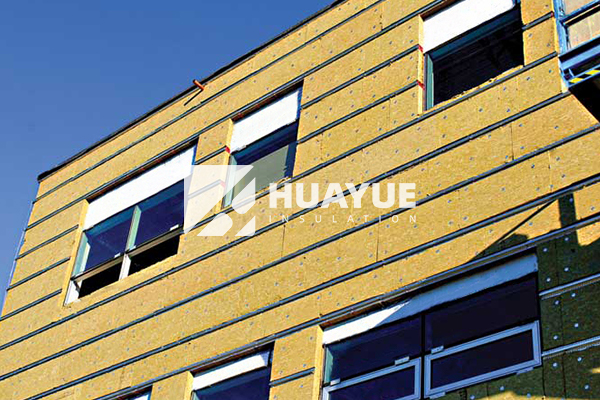
Yes, rock wool can be used for exterior insulation in a variety of applications, including façade systems, rainscreen cladding, and external wall insulation (EWI) systems.
Rock wool is ideal for exterior use due to its high fire resistance (non-combustible, typically rated A1 or A2), excellent thermal performance, and resistance to weathering when properly protected. It also allows vapor permeability, which helps prevent trapped moisture within wall assemblies.
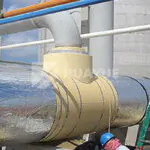
When specifying rock wool for exterior insulation, select products with appropriate compressive strength and water-repellent treatments. Boards and slabs are commonly used for flat wall surfaces, while pipe sections and pre-formed shapes are available for industrial and mechanical insulation.
To ensure long-term performance, exterior rock wool insulation should be installed with compatible weather barriers, mechanical fixings, and, where required, render or cladding finishes. Always check that the selected rock wool insulation thickness meets local energy codes and fire safety standards for exterior applications.
Does ROCK WOOL need a vapor barrier on an exterior wall?
The need for a vapor barrier with rock wool insulation on an exterior wall depends on climate, wall assembly design, and local building codes.
Rock wool is vapor-permeable, allowing moisture to pass through rather than trapping it within the wall. In many ventilated façade or rainscreen systems, a dedicated vapor barrier is not always necessary, as the assembly is designed to manage moisture through airflow and drainage.
However, in cold or mixed climates, or where interior humidity is high, a vapor barrier may be recommended on the warm side of the insulation to prevent condensation inside the wall structure. The choice of vapor barrier material and its placement should follow local standards and the recommendations of the insulation supplier.
For industrial or process applications where temperature differentials are extreme, vapor barriers are often specified to reduce condensation risks. Always consult with your supplier or project engineer to ensure the correct combination of rock wool insulation thickness and vapor barrier for your project.
Do mice chew through ROCK WOOL insulation?
Rock wool insulation is generally considered unattractive to rodents, including mice, due to its mineral composition and dense, non-nutritive fibers.
Unlike some organic-based insulation materials, rock wool does not provide a food source or suitable nesting material for mice. Its coarse, fibrous structure is also unpleasant for rodents to chew. However, in rare cases, if there are existing rodent infestations or entry points, mice may tunnel through any type of insulation, including rock wool, in search of shelter.
To minimize risk, ensure all building penetrations are sealed, and choose rock wool products with appropriate facings or vapor barriers where rodent activity is a concern. Regular building maintenance is the most effective way to prevent rodent intrusion.
What should B2B buyers know about rock wool insulation thickness?
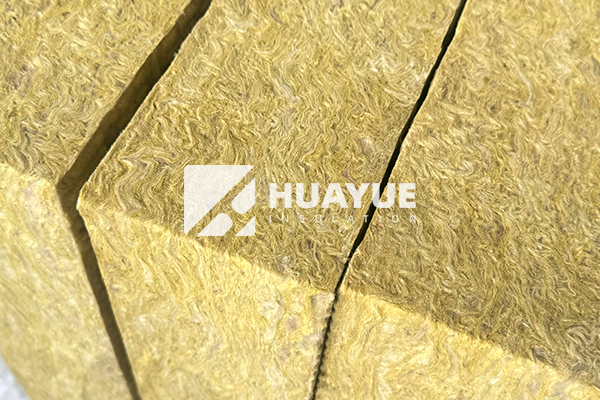
Rock wool insulation thickness is a critical specification that directly influences a project’s energy efficiency, fire safety, and acoustic performance. B2B buyers should consider the following factors when selecting the right thickness for their application:
- Thermal Performance (R-value): Greater thickness increases the R-value, improving thermal resistance. Local energy codes often specify minimum R-values or U-values for walls, roofs, and industrial equipment.
- Fire Protection: Thicker rock wool layers provide longer fire resistance ratings, which may be required for compartmentation or process safety.
- Acoustic Control: More thickness generally yields better sound reduction, important for partitions, studios, or industrial noise control.
- Mechanical Strength: For load-bearing or exposed applications, select a thickness and density combination that resists compression and maintains shape.
- Product Form: Boards, batts, blankets, and pipe sections each have recommended thickness ranges for different applications.
- Cost and Lead Time: Thicker products may have longer lead times, higher shipping costs, and require custom packaging—discuss these factors with your supplier.
- Certification and Compliance: Ensure the chosen thickness meets relevant standards (such as EN, ASTM, or local codes) and that documentation is provided.
Below is a typical selection guide for rock wool insulation thickness by application:
| Application | Recommended Thickness Range (mm) | Typical Product Form |
|---|---|---|
| Exterior Wall Insulation (EWI) | 50 – 200 | Board, Slab |
| Partition Wall / Acoustic Panel | 50 – 100 | Board, Batt |
| Roof Insulation (Flat/Sloped) | 80 – 200 | Board, Blanket |
| Industrial Pipe Insulation | 25 – 100+ | Pre-formed Pipe Section |
| HVAC Duct Insulation | 25 – 100 | Board, Blanket |
| Fireproofing (Steel Structure) | 40 – 100 | Board, Slab |
Note: Always confirm with local regulations and project specifications.
FAQ
Q1: What is the maximum available rock wool insulation thickness?
A1: Standard rock wool boards and batts are available up to 200 mm, with custom thicknesses possible for special orders.
Q2: How does rock wool insulation thickness affect installation?
A2: Thicker insulation may require longer fixings, additional support, and careful handling to avoid compression or gaps.
Q3: Is there a minimum recommended rock wool insulation thickness?
A3: Minimum thickness depends on application and code requirements; typically, 25–50 mm is used for basic thermal or acoustic needs.
Q4: Can rock wool insulation thickness be combined in layers?
A4: Yes, multiple layers can be installed to reach the desired total thickness, but joints should be staggered to minimize thermal bridging.
Q5: Does rock wool insulation thickness impact fire resistance ratings?
A5: Yes, thicker rock wool improves fire resistance duration, which is critical in many building and industrial applications.
Conclusion
Selecting the right rock wool insulation thickness is essential for meeting energy, fire, and acoustic requirements. B2B buyers should balance project needs, code compliance, and total cost when specifying thickness.