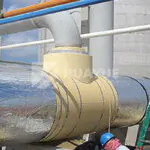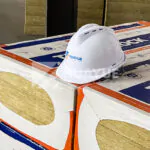







Black rock wool is a mineral fiber insulation material widely used for thermal, acoustic, and fire protection in industrial and commercial projects. It offers robust performance, but B2B buyers should evaluate its properties, limitations, and alternatives before specifying or purchasing.
Black rock wool is a high-density mineral wool insulation made from natural basalt and diabase, processed into dark-colored fibers. It provides excellent fire resistance, thermal insulation, and sound absorption, but can have drawbacks such as weight, handling irritation, and moisture sensitivity.
What are the negatives of ROCK WOOL insulation?
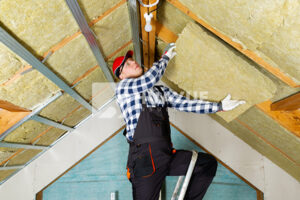
The main negatives of black rock wool insulation are its weight, potential for handling irritation, and moisture sensitivity. Compared to some alternatives, black rock wool can be heavier, making installation more labor-intensive, especially for overhead or vertical applications. The fibers may cause skin irritation or itchiness during handling, requiring proper PPE like gloves and long sleeves. While black rock wool is non-combustible, if not properly faced or protected, it can absorb moisture, which may reduce its insulation performance and long-term durability. Additionally, it is generally more expensive than glass wool but offers higher fire resistance.
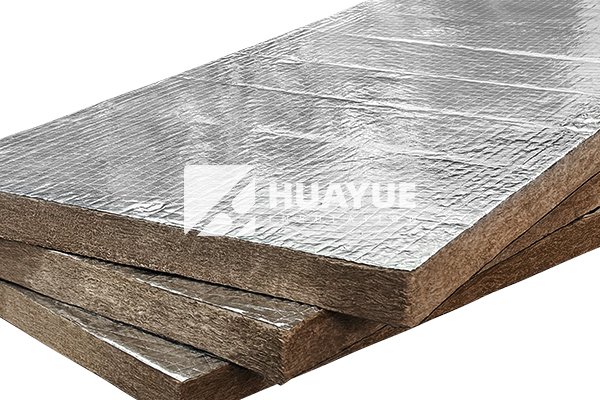
For B2B buyers, it’s crucial to consider packaging (such as shrink-wrapped or palletized bundles), supplier quality systems, and the need for vapor barriers or aluminum foil facings in humid environments. Lead times can vary depending on custom thickness, density, or board/pipe dimensions.
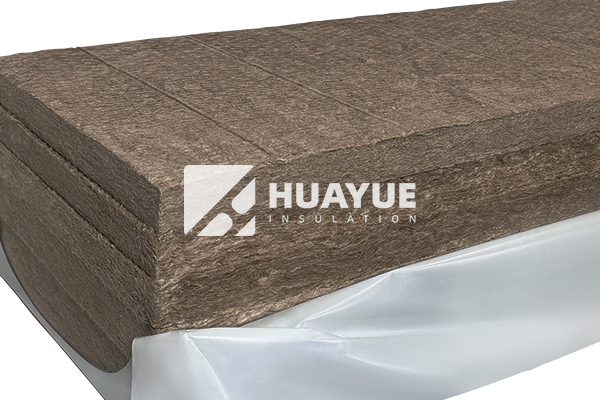
What is ROCK WOOL made of?
Black rock wool is made primarily from natural volcanic rocks, such as basalt and diabase, which are melted at high temperatures (typically above 1400°C) in a cupola furnace. The molten rock is then spun into fine fibers using high-speed spinning wheels or jets of air. The dark color of black rock wool comes from the mineral composition and the manufacturing process, which may use specific additives or binders to enhance water repellency, rigidity, or fire resistance.
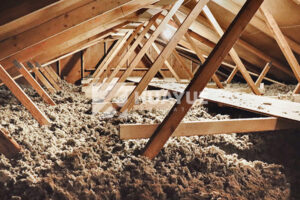
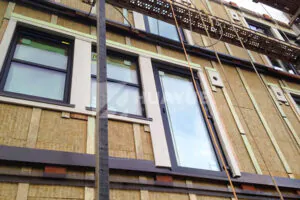
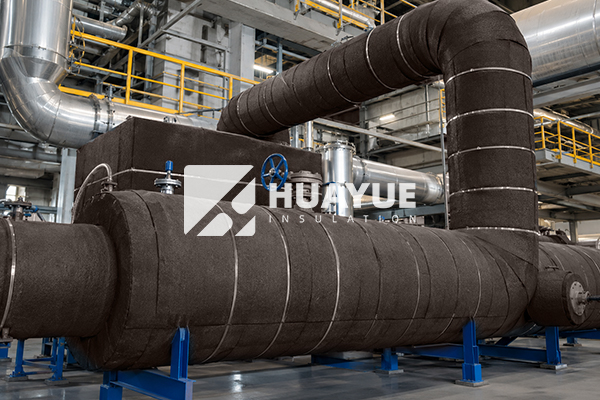
The final product is formed into boards, pipes, blankets (rolls), batts, or loose-fill wool, and may include facings such as aluminum foil or glass cloth for specific applications. B2B buyers should request technical data sheets to verify density, thermal conductivity, fire classification, and binder content.
What is the life expectancy of Rockwool insulation?
The life expectancy of black rock wool insulation is typically 20–50 years or more under proper installation and dry conditions. Because black rock wool is inorganic and non-combustible, it does not rot, support mold growth, or degrade under normal service temperatures. However, exposure to moisture, mechanical damage, or repeated freeze-thaw cycles can reduce its effective lifespan.
For industrial and commercial B2B projects, long-term performance depends on correct installation, suitable facings or vapor barriers, and regular inspection. Many suppliers offer warranties based on expected service life, but these are contingent on maintaining dry, protected conditions. Lifecycle cost analysis should include not only material price but also installation, maintenance, and potential replacement intervals.
Is rockwool as itchy as fiberglass?
Black rock wool can cause skin irritation similar to fiberglass insulation, but the degree of itchiness varies by product type, fiber diameter, and binder content. Both materials are made of fine mineral fibers that can become airborne during handling, leading to temporary itching or discomfort if they contact skin or eyes.
Compared to glass wool (including fiberglass wool insulation forms), black rock wool fibers are generally coarser and may feel less itchy to some installers, but irritation is still possible. B2B buyers should ensure that installation teams use appropriate PPE: gloves, long-sleeve shirts, and dust masks. Some modern black rock wool products are engineered with low-dust binders or softer fiber structures to reduce handling irritation.
What is another name for Rockwool?
Another name for black rock wool is mineral wool, stone wool, or slag wool, depending on the source material and regional terminology. “Rockwool” is also a well-known brand name, but in technical and procurement documents, the generic terms “mineral wool” or “stone wool” are widely accepted. In some markets, black rock wool may be distinguished from standard mineral wool by its higher density, darker color, or specific performance attributes.
For buyers comparing insulation materials, it’s important to clarify specifications—such as density, compressive strength, and fire rating—rather than relying solely on product names.
FAQ
Q1: What forms does black rock wool come in?
A1: Black rock wool is available as boards, pipe insulation, blankets (rolls), batts, and loose-fill wool for blowing applications. Custom sizes and facings can be supplied for specific industrial or commercial projects.
Q2: How does black rock wool compare to glass wool and foam glass?
A2: Black rock wool offers higher fire resistance and compressive strength than glass wool, but is heavier and may cost more. Foam glass is non-fibrous, highly moisture-resistant, and suitable for cryogenic or chemical environments.
Q3: What certifications should B2B buyers look for?
A3: Common certifications include fire resistance ratings (such as EN 13501-1 or ASTM E84), thermal conductivity tests, and ISO 9001 quality management. Always request test reports from suppliers.
Q4: Can black rock wool be used for both thermal and acoustic insulation?
A4: Yes, black rock wool is effective for both thermal and sound insulation due to its dense, fibrous structure. Specify density and thickness based on project requirements.
Q5: What are typical densities for black rock wool insulation?
A5: Typical densities range from 40 to 200 kg/m³, depending on application—lower densities for walls and ceilings, higher densities for fire protection or load-bearing insulation.
Material Comparison Table
| Property | Black Rock Wool | Glass Wool (Fiberglass Wool) | Foam Glass |
|---|---|---|---|
| Main Raw Material | Basalt/Diabase | Silica Sand, Recycled Glass | Recycled Glass |
| Color | Black/Dark Gray | Yellow/White | Black/Gray |
| Fire Resistance | Non-combustible | Non-combustible | Non-combustible |
| Thermal Conductivity | 0.035–0.045 W/m·K | 0.032–0.040 W/m·K | 0.036–0.050 W/m·K |
| Handling Irritation | Moderate | High | None |
| Water Absorption | Moderate (if unfaced) | Moderate (if unfaced) | Very Low |
| Typical Density (kg/m³) | 40–200 | 10–80 | 100–180 |
| Main Forms | Board, Pipe, Blanket | Blanket, Batt, Pipe, Board | Board, Pipe, Block |
| Cost Level | Moderate–High | Low–Moderate | High |
| Typical Applications | Industrial, HVAC, Fireproofing | Building, HVAC, Partition | Cryogenic, Chemical |
Conclusion
Black rock wool provides reliable fire, thermal, and acoustic insulation for industrial and commercial applications. B2B buyers should assess its properties, limitations, and compare it with alternatives to ensure optimal project performance.