








Rockwool insulation crawl space is a proven solution for contractors and builders seeking durable, fire-resistant, and moisture-tolerant insulation for crawl space applications.</p>
<strong>Rockwool insulation crawl space is suitable for crawl spaces because it resists moisture, fire, and pests, offering reliable thermal and acoustic performance. Contractors and facility managers benefit from its easy installation, long-term durability, and flexible product forms for various crawl space conditions.</strong>
<h2>Can ROCK WOOL be used in a crawl space?</h2>
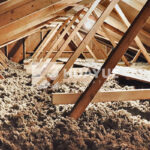
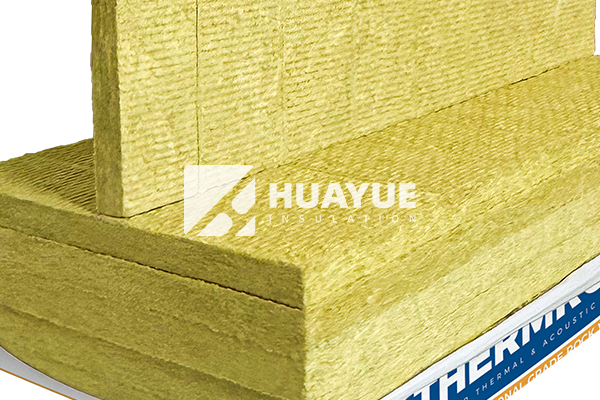
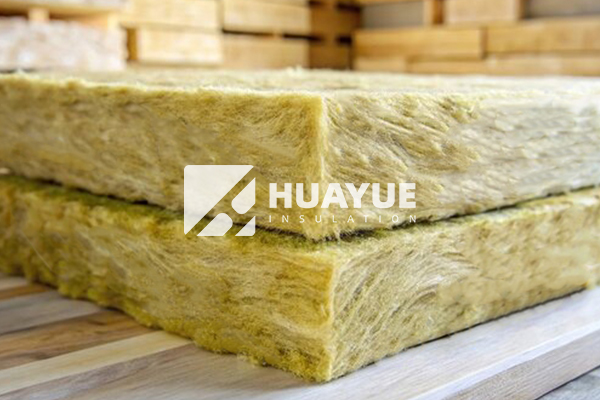
<p>Rockwool insulation crawl space is specifically designed to perform in challenging environments like crawl spaces. Rock wool (also known as stone wool) is manufactured from natural basalt and slag, creating fibers that are highly resistant to moisture, fire, and microbial growth. In crawl spaces, it can be applied as boards, batts, rolls, or loose fill, depending on the insulation needs and accessibility.</p>
<p>Crawl spaces often face issues like condensation, temperature swings, and pests. Rock wool’s hydrophobic properties prevent water absorption, avoiding mold or rot. Its fire resistance (typically up to 1000°C) adds safety, especially for commercial and industrial projects with strict fire codes. Rock wool also provides excellent acoustic insulation, reducing noise transmission between floors.</p>
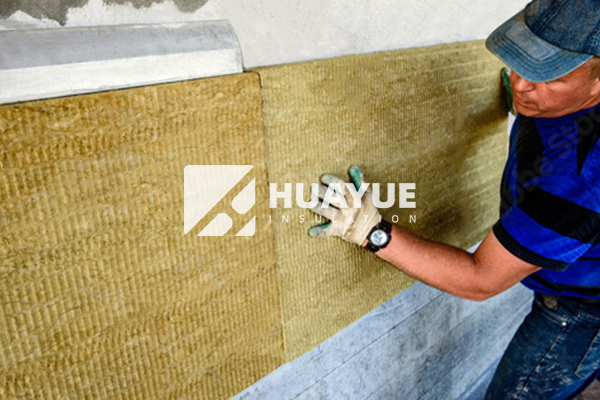
<p>Installation is straightforward: batts or boards can be friction-fit between joists or attached to foundation walls. For irregular spaces, loose fill or blowing wool offers flexibility. B2B buyers should consult suppliers for product thickness, density, and R-value recommendations based on local climate and building codes.</p>
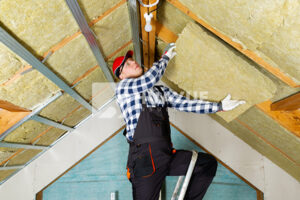
<figure><img src="https://sinoinsulation.com/wp-content/uploads/2026/06/rockwool-insulation-board-for-crawl-space-application.jpg" alt="rockwool insulation board for crawl space application" title="rockwool insulation board for crawl space application" /><figcaption>rockwool insulation board for crawl space application</figcaption></figure>
<h2>What are the downsides of ROCK WOOL insulation?</h2>
<p>While rockwool insulation crawl space offers many advantages, there are practical drawbacks to consider. The initial material cost is often higher than glass wool or basic foam products, especially for large-scale installations. Handling rock wool can cause skin irritation due to its fibrous nature, so installers should use protective gear.</p>
<p>Rock wool is heavier than some alternatives, which may require additional support in suspended crawl space installations. Its rigidity (in board form) limits use in extremely tight or uneven areas; loose fill or rolls may be better suited in such cases. In high-humidity environments, while rock wool resists water, prolonged exposure to liquid water can degrade its binder and reduce performance.</p>
<p>Compared to closed-cell foam or foam glass, rock wool does not provide a vapor barrier on its own. If vapor control is critical, additional membrane layers may be needed.</p>
<table><tr><th>Insulation Type</th><th>Moisture Resistance</th><th>Fire Resistance</th><th>Acoustic Performance</th><th>Handling Safety</th><th>Relative Cost</th></tr><tr><td>Rock Wool</td><td>Excellent</td><td>Excellent</td><td>Excellent</td><td>Moderate</td><td>Higher</td></tr><tr><td>Glass Wool</td><td>Good</td><td>Good</td><td>Good</td><td>Moderate</td><td>Moderate</td></tr><tr><td>Foam Glass</td><td>Excellent</td><td>Excellent</td><td>Moderate</td><td>High</td><td>Highest</td></tr></table>
<h2>Do I need an air gap with ROCK WOOL insulation?</h2>
<p>In most crawl space applications, rockwool insulation crawl space does not require an air gap unless specified by local building codes or unique moisture conditions. Rock wool’s open fiber structure allows vapor to pass through, reducing condensation risk when installed directly against joists or foundation walls.</p>
<p>However, if the crawl space is prone to high humidity or if a vapor barrier is used, an air gap may help manage moisture migration. For example, in climates with large temperature swings, leaving a small gap between insulation and subfloor can prevent condensation and mold growth. Consult with suppliers and reference local codes to determine best practices.</p>
<p>When using rock wool boards or batts, ensure they are tightly fitted but not compressed, as compression reduces thermal performance. For loose fill, proper depth and coverage are critical to achieving the specified R-value.</p>
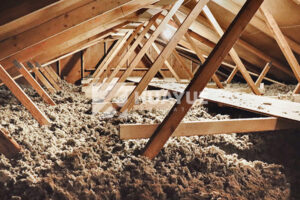
<figure><img src="https://sinoinsulation.com/wp-content/uploads/2026/06/rock-wool-insulation-detail-showing-installation-in-crawl-space-joists.jpg" alt="rockwool insulation detail showing installation in crawl space joists" title="rockwool insulation detail showing installation in crawl space joists" /><figcaption>rockwool insulation detail showing installation in crawl space joists</figcaption></figure>
<h2>Will mice burrow in rock wool?</h2>
<p>Rockwool insulation crawl space is generally unattractive to mice and other rodents. The dense, fibrous structure is uncomfortable for pests, and rock wool does not provide food or nesting material. Compared to organic insulation types, rock wool is less likely to be damaged by burrowing animals.</p>
<p>However, no insulation is entirely rodent-proof. If the crawl space has existing pest issues, sealing entry points and maintaining proper ventilation are essential. Some B2B buyers may request products with added pest-resistant coatings or inquire about local pest control integration.</p>
<p>Regular inspection is recommended, especially in facilities with known rodent activity. Damaged insulation should be replaced promptly to maintain performance.</p>
<h2>What should B2B buyers know about rockwool insulation crawl space </h2>
<p>B2B buyers evaluating rockwool insulation crawl space should consider several key factors:</p>
<ul><li><strong>Specifications:</strong> Choose the right product form (board, batt, roll, loose fill) and density for crawl space conditions. Typical thickness ranges from 50mm to 150mm, with R-values adjusted for climate and code requirements.</li><li><strong>Packaging and lead time:</strong> Rock wool is shipped in compressed packs or cartons; verify packaging options and lead times with suppliers, especially for large projects or custom orders.</li><li><strong>Quality consistency:</strong> Ensure suppliers offer consistent product quality, backed by batch testing and reliable sourcing.</li><li><strong>Certifications:</strong> Look for compliance with relevant fire, acoustic, and environmental standards (e.g., EN, ASTM, ISO).</li><li><strong>Lifecycle cost:</strong> While upfront costs may be higher, rock wool’s durability and minimal maintenance reduce long-term expenses.</li><li><strong>Customization:</strong> Some suppliers, including HUAYUE Group, offer custom sizes and densities for unique crawl space layouts.</li></ul>
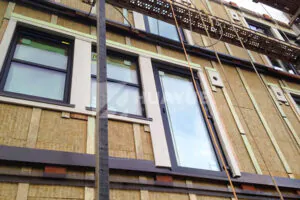
<figure><img src="https://sinoinsulation.com/wp-content/uploads/2026/06/rock-wool-insulation-crawl-space-installation-application-image.jpg" alt="rockwool insulation crawl space installation application image" title="rockwool insulation crawl space installation application image" /><figcaption>rockwool insulation crawl space installation application image</figcaption></figure>
<h2>FAQ</h2>
<strong>Q1: Is rockwool insulation crawl space suitable for damp environments?</strong>
<p>Yes, rock wool resists moisture and is ideal for crawl spaces with humidity or condensation risks.</p>
<strong>Q2: Can rock wool insulation be installed over existing insulation?</strong>
<p>Rock wool can be layered over existing insulation, provided the underlying material is dry and free from mold.</p>
<strong>Q3: How long does rock wool insulation last in crawl spaces?</strong>
<p>Rock wool is highly durable; typical service life exceeds 20 years with proper installation and maintenance.</p>
<strong>Q4: Does rock wool provide soundproofing in crawl spaces?</strong>
<p>Yes, rock wool offers excellent acoustic insulation, reducing noise transfer between floors.</p>
<strong>Q5: Are there fire safety benefits to using rock wool in crawl spaces?</strong>
<p>Rock wool is non-combustible and provides fire protection, supporting code compliance.</p>
<strong>Q6: What is the typical R-value for rock wool in crawl space applications?</strong>
<p>R-values range from R-15 to R-30 depending on thickness and density; consult suppliers for project-specific recommendations.</p>
<h2>Conclusion</h2>
<p>Rockwool insulation crawl space offers contractors and facility managers a reliable, fire-resistant, and moisture-tolerant solution with flexible installation options and long-term value for crawl space applications.
Rockwool insulation crawl space: Benefits, Limitations, and B2B Best Practices
You may also be interested in:
Ready to Get Started?
Get in touch with our experts for personalized solutions tailored to your needs.
Get Free QuoteLatest Articles
Let's Work Together
Ready to take your business to the next level? Get in touch with our team of experts and let's discuss how we can help you achieve your goals.
Get Free Solutions