







Understanding the rock wool exterior insulation R value is crucial for specifying high-performance, energy-efficient exterior wall systems in commercial and institutional buildings.
The rock wool exterior insulation R value measures the material’s thermal resistance, typically ranging from R-4 to R-4.3 per inch. This value helps consultants compare rock wool’s energy-saving performance against other exterior insulation options.
What are the disadvantages of ROCK WOOL insulation?
While the rock wool exterior insulation R value is competitive for many building applications, there are several disadvantages to consider:
- Weight: Rock wool boards are denser and heavier than many foam insulations, increasing handling and installation effort, especially on tall façades.
- Water Absorption: Standard rock wool is water-repellent but not fully waterproof. Prolonged exposure or improper detailing can lead to moisture retention, affecting thermal performance.
- Cost: Upfront costs are often higher than glass wool or some foam options, though lifecycle value may offset this.
- Compressibility: In some forms, rock wool can compress under load, potentially reducing effective R-value if not properly supported.
- Finer Dust: Cutting or handling can generate fine fibers, requiring PPE and careful site management.
Despite these limitations, the fire safety, vapor permeability, and durability of rock wool make it a preferred exterior insulation solution in many high-performance wall assemblies.
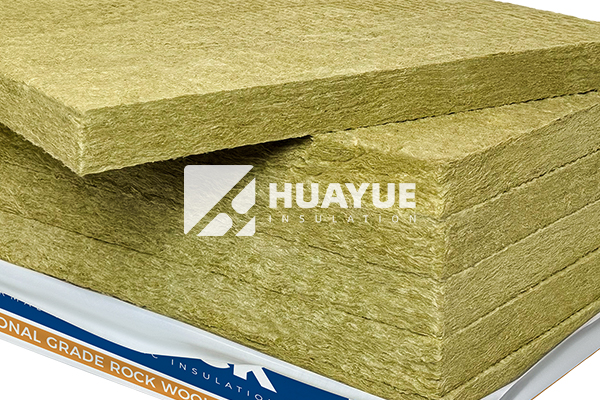
Can I use ROCK WOOL for exterior insulation?
Yes, rock wool is widely used for exterior insulation in both new construction and retrofit projects. The rock wool exterior insulation R value, combined with its fire resistance and vapor permeability, makes it suitable for:
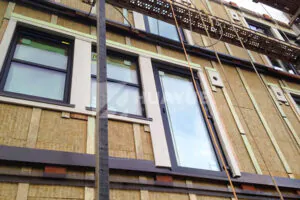
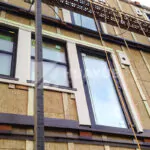
- Continuous insulation layers on exterior walls, behind cladding or rainscreen systems.
- Cavity wall insulation in ventilated façades.
- EIFS (Exterior Insulation and Finish Systems) as a mineral wool alternative to foam.
- Spandrel panels and curtain wall systems requiring non-combustible insulation.
Rock wool boards, batts, and slabs are available in various densities and thicknesses to meet project-specific R-value and compressive strength requirements. For optimal performance, proper installation detailing—such as wind barrier, mechanical fastening, and weather protection—must be followed.
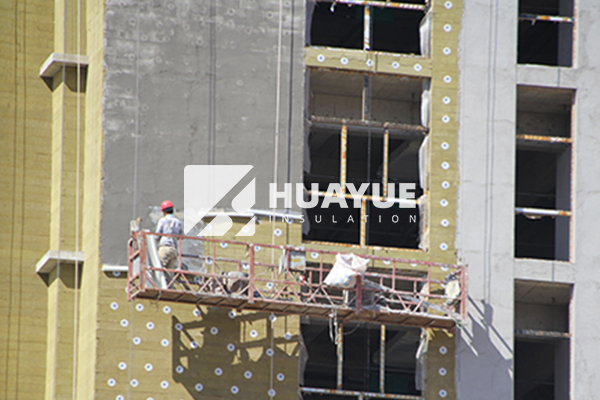
Does ROCK WOOL need a vapor barrier on an exterior wall?
Whether a vapor barrier is needed with rock wool exterior insulation depends on the wall assembly and climate:
- Vapor Permeability: Rock wool is naturally vapor-permeable, allowing moisture to escape and reducing condensation risk within the wall.
- Climate Considerations: In most ventilated rainscreen or cavity wall systems, a dedicated vapor barrier is not required on the exterior side when using rock wool. However, in high-humidity or extremely cold climates, a vapor retarder may be specified on the warm side of the assembly (typically interior).
- Building Codes: Always verify local codes and project specifications. Some assemblies may require an air barrier or water-resistive barrier, which is different from a vapor barrier.
Proper design and installation are critical to avoid moisture problems and to maintain the designed rock wool exterior insulation R value over time.
What is the best continuous exterior insulation?
The “best” continuous exterior insulation depends on project priorities, but the rock wool exterior insulation R value offers a strong balance of thermal performance, fire safety, and durability. Here’s a comparison of common options:
| Insulation Type | Typical R-value/inch | Fire Resistance | Vapor Permeability | Durability | Cost Level | Non-combustible |
|---|---|---|---|---|---|---|
| Rock wool | 4.0 – 4.3 | Excellent | High | High | Medium-High | Yes |
| Glass wool | 3.7 – 4.2 | Good | High | Medium | Medium | Yes |
| XPS Foam | 4.5 – 5.0 | Limited | Low | High | High | No |
| Polyiso Foam | 5.6 – 6.5 | Limited | Low | Medium | High | No |
| Foam glass | 3.4 – 4.0 | Excellent | Low | Very High | High | Yes |
Rock wool stands out for projects where fire safety, vapor openness, and long-term stability are priorities. For maximum R-value per inch, polyiso foam is higher, but with trade-offs in combustibility and vapor permeability. Always match insulation selection to project performance goals and local regulations.
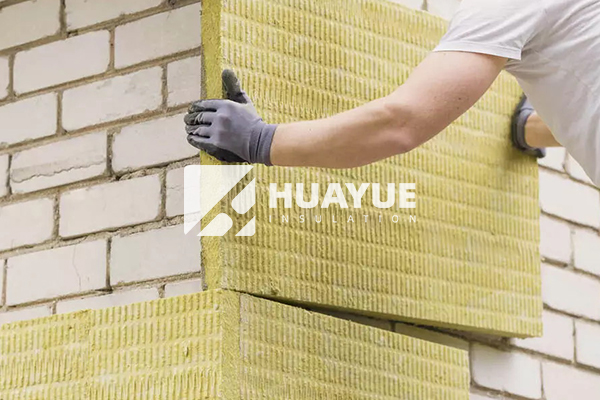
What should B2B buyers know about rock wool exterior insulation r value #5?
When evaluating rock wool exterior insulation R value for B2B procurement, consider these key points:
- Specification Clarity: Confirm required R-value per assembly and per inch. Typical rock wool boards offer R-4.0 to R-4.3 per inch. Thicker boards or multi-layer assemblies may be needed for higher R-values.
- Product Forms: Choose the appropriate form—board, batt, or slab—for the installation method and wall system. Boards are preferred for continuous exterior insulation due to rigidity and consistent thickness.
- Quality Consistency: Source from suppliers with proven manufacturing quality, thickness tolerance, and R-value certification. Ask for third-party test reports if required.
- Packaging and Lead Time: Ensure packaging protects edges and faces during transport. Confirm lead times and minimum order quantities, especially for custom thicknesses.
- Fire and Code Compliance: Rock wool is non-combustible and often meets stringent fire codes, but always verify with local requirements and documentation.
- Lifecycle Cost: Consider not just material cost, but also installation, maintenance, and durability. Rock wool’s stable R-value and resistance to aging can offer lower lifecycle costs than some foams.
- Supplier Support: Reliable technical support, custom sizing, and logistics are vital for smooth project execution.
FAQ
Q: What is the typical rock wool exterior insulation R value per inch?
A: Most rock wool exterior insulation boards provide R-4.0 to R-4.3 per inch, depending on density and manufacturer.
Q: Can rock wool insulation be left exposed on exterior walls?
A: No, rock wool must be protected from weather by cladding, rainscreen, or weatherproof coatings to maintain performance and durability.
Q: How does rock wool compare to glass wool for exterior insulation?
A: Rock wool offers slightly higher fire resistance and durability, but both are vapor-permeable and non-combustible. Glass wool is lighter but may compress more easily.
Q: Is rock wool suitable for high-rise or commercial facades?
A: Yes, due to its fire safety, stable R-value, and acoustic benefits, rock wool is widely used in high-rise and commercial exterior wall systems.
Q: What certifications should I check for rock wool exterior insulation?
A: Look for compliance with relevant ASTM, EN, or local standards for thermal performance, fire rating, and environmental impact.
Conclusion
The rock wool exterior insulation R value offers a reliable, fire-safe, and durable solution for building envelope consultants specifying high-performance exterior wall systems.