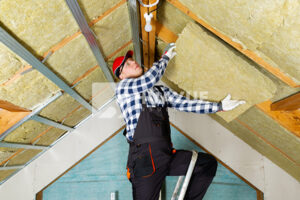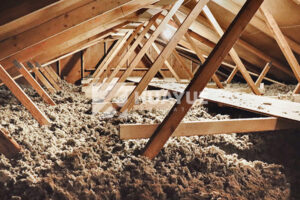







Rock wool insulation is widely used in construction for its outstanding fireproof and heat-resistant properties.
Rock wool is fireproof, offering high resistance to heat and flames, making it an ideal insulation solution for safe building applications.
Is rock wool fire resistant?
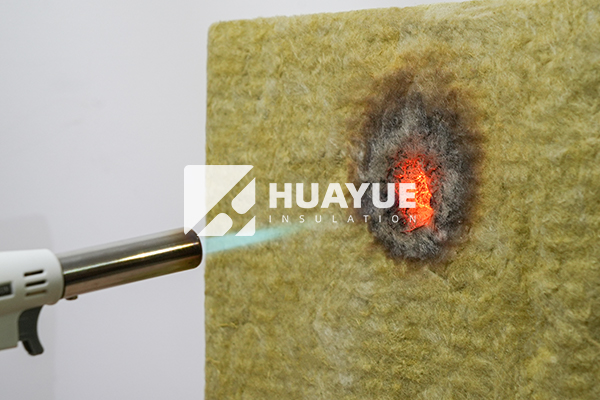
Rock wool is inherently fire resistant due to its mineral composition and manufacturing process. It is produced from natural basalt or slag, melted at high temperatures and spun into fibers. This structure allows rock wool to withstand direct flame exposure without igniting, melting, or emitting toxic fumes.
Rock wool insulation does not burn, and it is classified as non-combustible according to international standards such as EN 13501-1 (Euroclass A1 or A2). This means it can help prevent fire spread within walls, floors, ceilings, and mechanical systems. Its fire resistance remains consistent across product forms: boards, pipes, blankets, rolls, batts, and loose fill.
Is ROCKWOOL considered fireblocking?
Yes, rock wool (including the ROCKWOOL brand and generic products) is considered a fireblocking material. Fireblocking refers to the use of materials that prevent or slow the passage of flames and hot gases through concealed spaces in buildings, such as wall cavities, floor voids, and service penetrations.
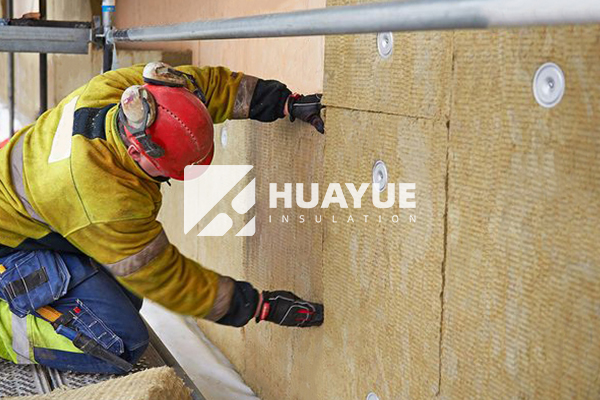
Rock wool’s fireblocking capability comes from its non-combustible fibers and its ability to retain structural integrity under fire conditions. It is commonly specified as firestop or fireblock in commercial and industrial construction, especially in areas requiring compartmentation, such as:
- Vertical and horizontal fire barriers
- Pipe and duct insulation
- Penetration seals around cables and pipes
- Partition walls and floor assemblies
Rock wool’s fireblocking performance is recognized in many building codes, and it can be used to meet fire resistance ratings in tested assemblies.
How much heat can ROCK WOOL withstand?
Rock wool insulation can typically withstand temperatures up to 600°C and, in some cases, even higher. The exact temperature resistance depends on product grade and manufacturer specifications. Most standard rock wool insulation remains stable and effective under continuous exposure to temperatures between 250°C and 400°C, and will not melt until temperatures exceed 1000°C.
This high heat resistance makes rock wool suitable for fire protection, industrial insulation, and applications near heat sources, such as:
- Boiler and furnace insulation
- Industrial pipe and ductwork
- Fire-rated walls and ceilings
Always check the datasheet for specific temperature limits when selecting rock wool for high-temperature environments.
What should B2B buyers know about rock wool fireproof #4
B2B buyers should consider the following when selecting rock wool for fireproofing:
- Specifications: Verify fire resistance ratings (EN 13501-1, ASTM E136), density (typically 40-200 kg/m³), thickness, and thermal conductivity.
- Product Forms: Choose the right form—board, pipe, blanket, roll, batt, or loose fill—based on application and installation requirements.
- Certifications: Ensure products meet relevant fire safety standards and building codes in your region.
- Packaging: Rock wool is supplied in compressed packages, pallets, or bags for easy transport and storage. Confirm packaging meets your project needs.
- Supplier Reliability: Work with manufacturers who provide consistent quality, technical support, and timely delivery.
Below is a comparison table for rock wool fireproof insulation forms:
| Product Form | Typical Application | Fire Resistance | Density Range (kg/m³) | Thickness Range (mm) |
|---|---|---|---|---|
| Board | Walls, ceilings, floors | Non-combustible | 80-200 | 25-100 |
| Pipe | HVAC, industrial piping | Non-combustible | 100-180 | 20-150 (diameter) |
| Blanket/Roll | Roofs, large surfaces | Non-combustible | 40-100 | 25-100 |
| Batt | Partition walls, ceilings | Non-combustible | 40-80 | 50-150 |
| Loose Fill | Cavity fill, retrofit | Non-combustible | 40-60 | As required |
What should B2B buyers know about rock wool fireproof #5
B2B buyers should also address these practical concerns:
- Customization: Rock wool can be cut, shaped, or laminated to suit specific fireproofing applications.
- Quality Consistency: Ensure batch-to-batch uniformity for large projects; request samples and technical documentation.
- Lead Time: Confirm production and delivery schedules, especially for custom sizes or bulk orders.
- Lifecycle Cost: Rock wool offers long-term fire protection with minimal maintenance, reducing overall risk and insurance costs.
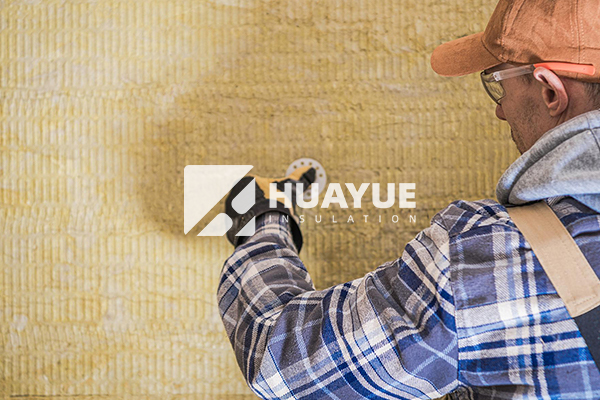
- Installation: Proper installation is critical to maintain fireproof integrity. Follow manufacturer guidelines and ensure installers are trained.
Selecting the right supplier and product ensures compliance, safety, and performance in fireproof building applications.
FAQ
Is rock wool insulation suitable for exterior walls?
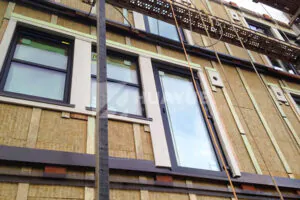
Yes, rock wool is widely used for exterior walls, providing fireproofing, thermal insulation, and acoustic benefits.
Can rock wool be used in fire-rated doors?
Rock wool is often used as core material in fire-rated doors due to its non-combustible nature and heat resistance.
Does rock wool emit toxic gases when exposed to fire?
No, rock wool does not emit toxic gases or smoke during fire exposure, as it is made from inorganic minerals.
How does rock wool compare to glass wool in fireproofing?
Rock wool has higher fire resistance and heat tolerance than glass wool, making it preferable for critical fireproofing applications.
Is rock wool insulation recyclable?
Yes, rock wool can be recycled, contributing to sustainable building practices.
What certifications should I look for in fireproof rock wool?
Look for EN 13501-1, ASTM E136, and local fire safety certifications relevant to your project.
Conclusion
Rock wool fireproof insulation offers reliable fire resistance, heat tolerance, and safety for modern building applications. B2B buyers should prioritize certified products, suitable forms, and reliable suppliers to ensure optimal performance.