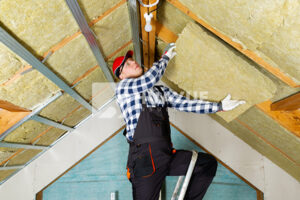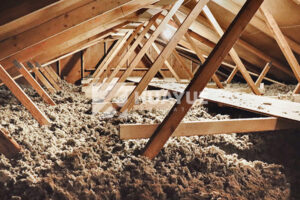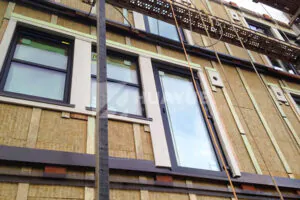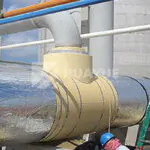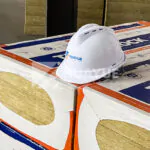








Rock wool insulation is widely used in construction for its thermal and acoustic properties. Selecting the best rock wool insulation requires careful evaluation of product types, specifications, and project needs.
The best rock wool insulation offers high thermal and acoustic performance, fire resistance, and durability. B2B buyers should assess product grades, thickness, and supplier reliability for optimal results in construction projects.
What are the downsides of ROCK WOOL insulation?
Rock wool insulation provides excellent thermal and sound insulation, but it has certain limitations. The main downsides include:
- Higher cost compared to some alternatives, such as glass wool.
- Potential for dust generation during installation, which can cause irritation.
- Heavier weight than other insulation materials, affecting handling and installation.
- Limited moisture resistance unless treated or faced, which can impact performance in humid environments.
Rock wool is non-combustible and highly durable, but its fibrous nature may require careful handling to avoid skin and respiratory irritation. For large-scale projects, packaging and logistics must be considered due to its bulk and weight. Some forms, like loose fill, may require additional containment to prevent settling or movement within cavities.
Is thicker ROCK WOOL always better?
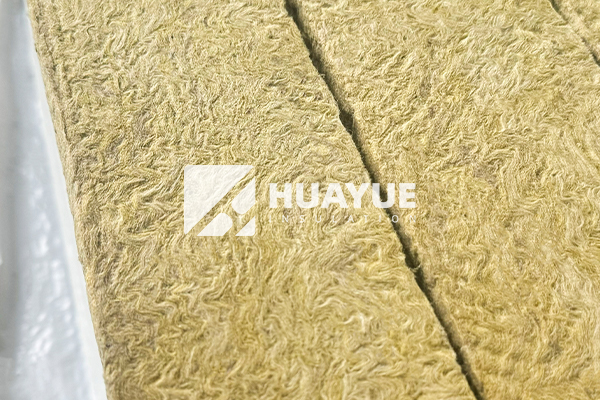
Thicker rock wool insulation generally provides higher thermal resistance (R-value) and improved sound absorption. However, thicker is not always better:
- Diminishing returns: Beyond a certain thickness, additional layers yield minimal improvement.
- Space limitations: Excess thickness may reduce usable space or conflict with architectural requirements.
- Cost efficiency: Thicker insulation increases material costs and may not be justified by marginal gains.
Selection should be based on project-specific requirements, local climate, and building codes. For example, exterior walls may require thicker insulation than interior partitions. Consulting with suppliers about optimal thickness for each application ensures balance between performance and practicality.
Typical thickness ranges for rock wool products:
| Product Type | Typical Thickness Range | Typical Applications |
|---|---|---|
| Board | 40–150 mm | Walls, floors, roofs |
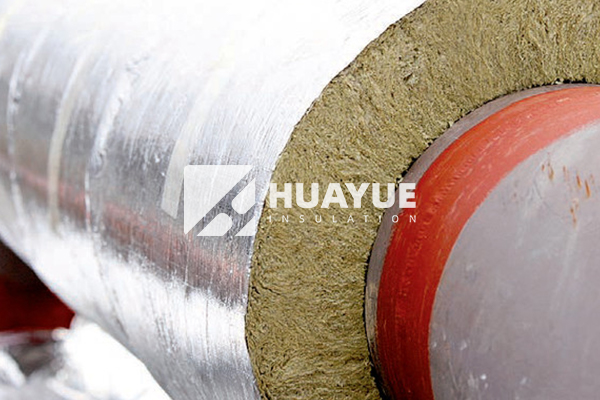
| Pipe | 20–100 mm | HVAC, industrial piping |
| Blanket/Roll | 25–100 mm | Roofs, ceilings, large cavities |
| Batt | 50–100 mm | Walls, partitions |
| Loose Fill | Variable | Irregular voids, cavity walls |
Are there different grades of ROCK WOOL?
Yes, rock wool insulation is available in various grades, tailored to specific performance requirements:
- Density: Higher density grades offer better thermal and acoustic insulation, as well as improved fire resistance.
- Facing: Some products are faced with foil, glass cloth, or other materials for moisture control and durability.
- Specialty grades: Fire-rated, water-repellent, or high-temperature grades are available for demanding applications.
Choosing the right grade depends on the project’s environment, fire safety requirements, and desired acoustic performance. For example, high-density boards are suitable for exterior walls or industrial applications, while lower-density blankets may be used for ceilings or partitions.
Will rodents nest in rock wool?
Rock wool insulation is generally not attractive to rodents for nesting. Its inorganic, fibrous structure lacks nutrients and is uncomfortable for animals. However, in rare cases, rodents may enter cavities containing rock wool if there is access and no physical barriers.
To minimize risk:
- Seal cavities and entry points during installation.
- Use proper containment and finishes to prevent exposure.
- Inspect regularly for signs of pest activity, especially in older buildings.
Unlike organic insulation materials, rock wool does not provide food or warmth for rodents, making it a lower-risk option for pest control in construction projects.
What should B2B buyers know about best rock wool insulation?
B2B buyers evaluating the best rock wool insulation should consider several critical factors:
- Specifications: Match product density, thickness, and facing to project requirements.
- Quality consistency: Verify supplier ability to deliver uniform quality and performance.
- Certification: Ensure compliance with relevant fire, thermal, and acoustic standards.
- Packaging and logistics: Assess packaging options for bulk shipments and site handling.
- Lead time: Confirm production and delivery timelines to avoid project delays.
- Customization: Request tailored sizes, facings, or grades if needed for unique applications.
- Lifecycle cost: Consider not just initial price, but durability, maintenance, and energy savings.
For international projects, reliable suppliers like HUAYUE Group offer a range of rock wool insulation products, including boards, pipes, blankets, batts, and loose fill. Buyers should request detailed product datasheets and samples to confirm suitability before bulk orders.
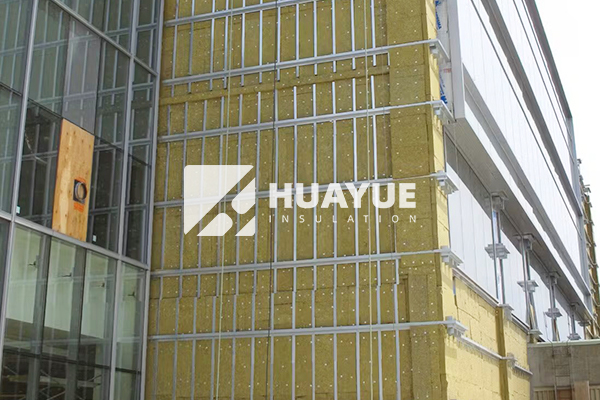
Rock Wool Insulation Selection Guide
| Project Type | Recommended Product Form | Key Grade/Specification | Typical Application |
|---|---|---|---|
| Commercial wall | Board/Batt | High density, fire-rated | Exterior/interior walls |
| Industrial piping | Pipe | High temp, water-repellent | HVAC, steam pipes |
| Roof insulation | Blanket/Roll | Medium density, foil-faced | Flat and pitched roofs |
| Cavity fill | Loose Fill | Variable density | Irregular gaps, cavity walls |
FAQ
Q1: Can rock wool insulation be used for both thermal and acoustic purposes?
Yes, rock wool is effective for both thermal insulation and sound absorption, making it suitable for walls, floors, and ceilings.
Q2: What is the fire resistance of rock wool insulation?
Rock wool is non-combustible and can withstand high temperatures, providing excellent fire protection in buildings.
Q3: How is rock wool insulation packaged for large projects?
Products are typically packaged in compressed bundles or cartons, with custom packaging available for bulk orders.
Q4: Is rock wool suitable for humid climates?
Rock wool resists moisture but can absorb water if not properly faced or sealed. Use moisture-resistant grades or facings in humid environments.
Q5: Does rock wool insulation require special installation tools?
Standard cutting tools and protective gear are recommended. Installation is straightforward but requires attention to safety due to fiber dust.
Q6: How long does rock wool insulation last in construction applications?
Rock wool is durable and can last decades without significant degradation, provided it is installed and maintained correctly.
Conclusion
Selecting the best rock wool insulation involves balancing performance, grade, thickness, and supplier reliability. Careful evaluation ensures optimal thermal and acoustic results in construction projects.