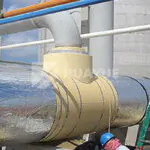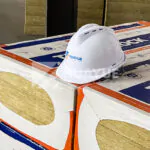








Rock wool insulation board is a high-performance mineral wool solution widely used for thermal and acoustic control in commercial and industrial buildings.
Rock wool insulation board offers excellent fire resistance, thermal efficiency, and sound absorption, making it a preferred choice for building contractors and architects seeking reliable insulation solutions.
Is ROCK WOOL good for insulation?
Yes, rock wool is highly regarded for insulation due to its structure and composition. Made from natural basalt rock melted and spun into fibers, rock wool insulation board provides outstanding thermal and acoustic properties.
Rock wool’s thermal conductivity is typically low, which means it effectively slows heat transfer. This makes it suitable for wall, roof, and floor insulation in offices, factories, hospitals, and schools. Its dense structure also delivers strong sound absorption, which is valuable in commercial buildings where noise control is important.
In addition, rock wool insulation boards are non-combustible, usually rated to withstand temperatures above 1000°C. This contributes to fire safety compliance in modern construction projects. The boards are dimensionally stable and resist sagging or settling over time, maintaining their insulating performance throughout the building’s lifecycle.
What are the negatives of ROCK WOOL insulation?
While rock wool insulation board offers many advantages, there are some potential drawbacks to consider.
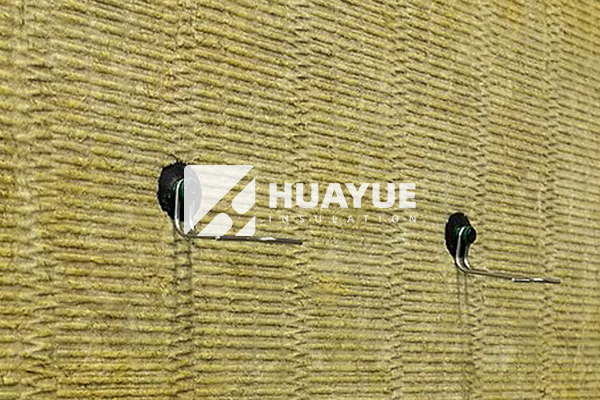
First, the initial material cost is often higher than some alternatives, such as glass wool. Installation can require protective equipment since loose fibers may cause skin, eye, or respiratory irritation. Proper handling and site safety protocols are important.
Rock wool is also heavier than some other insulation materials, which may increase transportation and handling costs for large projects. The rigidity of the board form can make it less adaptable in complex or irregular spaces compared to flexible rolls or loose fill.
Environmental considerations include energy intensity during production, though many manufacturers incorporate recycled content. Disposal at end-of-life can be managed through recycling, but options may vary by region.
Here’s a comparison of rock wool insulation board with other common insulation types:
| Property | Rock Wool Board | Glass Wool Batt | Foam Glass Board |
|---|---|---|---|
| Fire Resistance | Excellent | Good | Excellent |
| Thermal Conductivity | Low | Low | Very Low |
| Sound Absorption | High | Moderate | Moderate |
| Handling Safety | Requires PPE | Requires PPE | Safe |
| Cost | Moderate-High | Low | High |
| Weight | Moderate-High | Low | High |
| Moisture Resistance | Good | Good | Excellent |
Can mold grow in ROCK WOOL insulation?
Mold does not typically grow in rock wool insulation board due to its inorganic mineral content and open fiber structure, which does not provide a food source for mold or mildew.
Rock wool is water-repellent yet vapor-permeable, allowing moisture to escape rather than accumulate. This property helps prevent condensation and microbial growth within wall assemblies. However, if the boards become saturated due to prolonged exposure to liquid water, mold may develop on organic materials nearby, not on the rock wool itself.
To minimize risk, always install rock wool insulation boards according to best practice guidelines, ensuring proper vapor barriers and water management systems are in place. This is especially important in high-humidity environments or where water ingress is a concern.
What should B2B buyers know about rock wool insulation board #4?
B2B buyers should focus on several technical and logistical factors when sourcing rock wool insulation boards for building projects:
- Specifications: Confirm the board’s thickness, density, and dimensions match project requirements. Typical thicknesses range from 25mm to 100mm, with densities from 40 to 200 kg/m³ for different applications.
- Certifications: Request documentation for fire ratings, thermal conductivity, and compliance with local building codes or international standards (such as EN, ASTM, or ISO).
- Packaging and Lead Time: Boards are usually supplied in shrink-wrapped bundles or cartons. Check packaging type, palletization, and estimated lead times, especially for large or custom orders.
- Customization: Many manufacturers, including HUAYUE Group, offer custom sizes, densities, and facings (such as foil or mesh) to suit specific applications like curtain walls or HVAC systems.
- Supplier Reliability: Evaluate the supplier’s track record, production capacity, and quality control systems to ensure consistent supply and product quality over the duration of your project.

What should B2B buyers know about rock wool insulation board #5?
Additional considerations for B2B buyers include:
- Lifecycle Cost: While initial costs may be higher, rock wool’s durability and minimal maintenance requirements can result in lower total cost of ownership.
- Installation Support: Some suppliers provide technical guidance, on-site training, or installation accessories to ensure correct fitting and maximize performance.
- Sustainability: Inquire about recycled content, environmental certifications, and end-of-life recycling options to support green building objectives.
- Quality Consistency: Ask for batch test reports, and consider suppliers with ISO-certified quality management systems to reduce risk of variability.
- Logistics: For international shipments, clarify Incoterms, shipment methods, and customs documentation to avoid delays.
FAQ
Q1: What are the main applications of rock wool insulation board?
A1: Rock wool insulation boards are used in exterior and interior walls, roofs, floors, HVAC ducting, fire-rated partitions, and industrial equipment.
Q2: Can rock wool insulation board be used in humid environments?
A2: Yes, rock wool is water-repellent and vapor-permeable, making it suitable for humid areas when properly installed with moisture controls.
Q3: Is rock wool insulation board safe for indoor air quality?
A3: Yes, rock wool is inert and does not release harmful chemicals or fibers when properly installed and encapsulated.
Q4: Can rock wool insulation board be cut to fit on site?
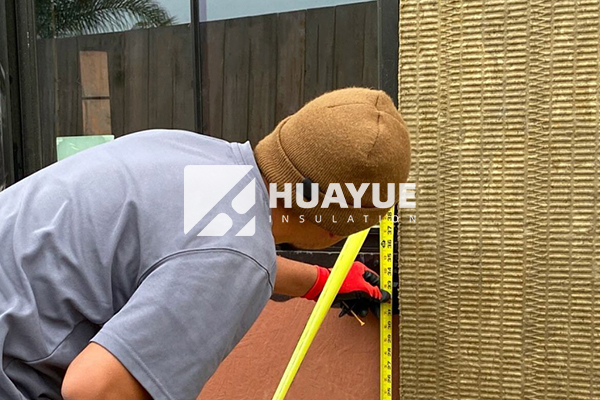
A4: Yes, boards can be cut with a serrated knife or saw to fit around pipes, fixtures, or irregular spaces.
Q5: How is rock wool insulation board typically packaged for shipment?
A5: Boards are usually shrink-wrapped in plastic film or packed in cartons, palletized for forklift handling, and protected for export.
Conclusion
Rock wool insulation board is a versatile, high-performance solution for building professionals, offering fire safety, thermal efficiency, and acoustic benefits with minimal maintenance and long service life.