







Rock wool blanket with wire mesh is a durable insulation material designed for industrial environments requiring secure, flexible, and fire-resistant thermal protection.
Rock wool blanket with wire mesh is an industrial insulation product combining mineral wool fibers with wire mesh reinforcement, offering high durability, fire resistance, and secure installation for pipes, vessels, and irregular surfaces.
What is a ROCK WOOL blanket?
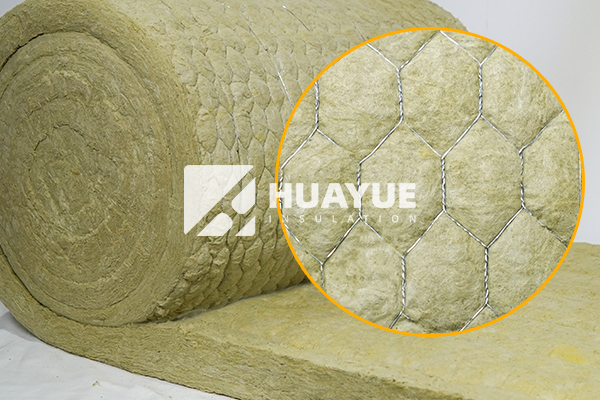
A ROCK WOOL blanket is a flexible insulation mat made from spun mineral fibers, commonly derived from basalt or slag. These fibers are layered and bonded to create a lightweight yet robust structure. When reinforced with wire mesh, the blanket gains extra mechanical strength and stability, making it ideal for wrapping around pipes, ducts, tanks, and other uneven surfaces.
Rock wool blanket with wire mesh provides fire resistance, thermal insulation, and acoustic dampening. The wire mesh, usually galvanized or stainless steel, is stitched or embedded within the blanket, ensuring the product maintains its shape during installation and operation. This reinforcement is particularly valuable in industrial settings where vibration, mechanical stress, or exposure to harsh conditions is expected.
Rock wool blankets differ from boards or pipe sections by offering flexibility and ease of handling, especially for large-diameter pipes or complex shapes. Typical thicknesses range from 25 mm to 100 mm, with densities between 80–150 kg/m³. Wire mesh options include hexagonal, square, or welded types, selected based on application demands and installation methods.
Can mold grow in ROCK WOOL insulation blanket?
Rock wool insulation blanket is inherently resistant to mold growth due to its inorganic composition. The mineral fibers do not provide nutrients for fungi or bacteria, making the material unsuitable for mold colonization under normal conditions.
Even in humid environments, rock wool blanket with wire mesh does not support mold growth unless organic contaminants are introduced during installation or use. Proper storage, handling, and installation practices are essential to prevent contamination. For critical applications, buyers should ensure that the insulation is kept dry before installation and that any covering or jacketing prevents ingress of organic debris.
This resistance to mold makes rock wool insulation blanket a preferred choice for environments with moisture exposure, such as chemical plants, refineries, and HVAC systems. It helps maintain indoor air quality and reduces maintenance needs compared to organic insulation materials.
What happens to ROCK WOOL when it gets wet?
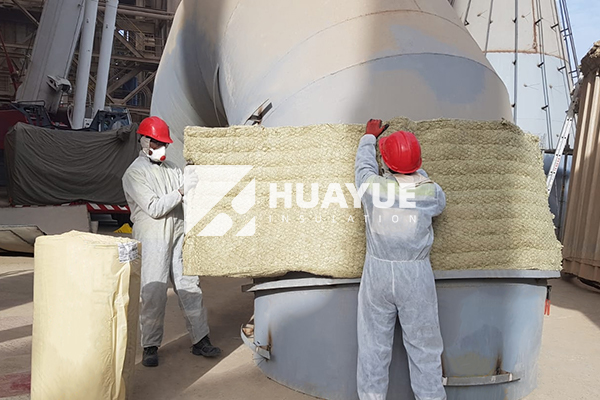
When rock wool blanket with wire mesh gets wet, the mineral fibers absorb water but do not degrade or lose their structural integrity. Upon drying, the insulation regains most of its thermal performance, as the fibers themselves are not damaged by moisture.
However, prolonged exposure to water can temporarily reduce thermal insulation efficiency and may lead to corrosion of the wire mesh if it is not made from corrosion-resistant materials. For stainless steel mesh, corrosion risk is minimized, but galvanized mesh may corrode over time in highly humid or aggressive environments.
To prevent water-related issues, industrial specifiers should consider protective jacketing or vapor barriers, especially in outdoor or high-humidity installations. If the blanket becomes saturated, it should be dried thoroughly before re-installation to restore its insulation properties and prevent potential corrosion.
What should B2B buyers know about rock wool blanket with wire mesh #4?
B2B buyers considering rock wool blanket with wire mesh should evaluate several key factors: material density, thickness, mesh type, and compatibility with the intended application. Density affects thermal and acoustic performance, while thickness determines overall insulation value.
Wire mesh options include galvanized iron, stainless steel, and various mesh patterns. Stainless steel is preferred for corrosive environments, while galvanized iron offers cost-effective reinforcement for standard applications. Mesh pattern selection (hexagonal, welded, or square) impacts flexibility and installation ease.
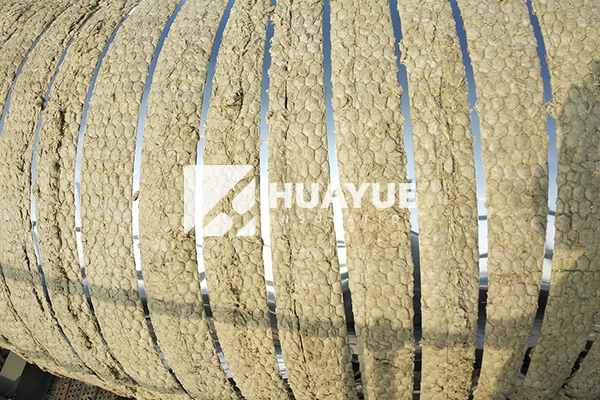
Buyers should also consider packaging, lead times, and supplier reliability. Rock wool blankets are typically supplied in rolls, wrapped in plastic or kraft paper for moisture protection. Custom sizes, mesh types, and branding can be arranged with manufacturers like HUAYUE Group, supporting project-specific requirements.
| Parameter | Typical Options | Selection Guidance |
|---|---|---|
| Thickness | 25–100 mm | Match to required insulation value |
| Density | 80–150 kg/m³ | Higher density for acoustic, fire |
| Mesh Type | Galvanized, stainless steel | Stainless for corrosive settings |
| Mesh Pattern | Hexagonal, welded, square | Hexagonal for flexibility |
| Packaging | Rolls, wrapped, palletized | Ensure moisture protection |
| Customization | Size, mesh, branding | Specify project needs |
What should B2B buyers know about rock wool blanket with wire mesh #5?
Beyond product specifications, B2B buyers must ensure compliance with relevant standards and certifications. While rock wool blanket with wire mesh is widely recognized for fire safety and durability, buyers should verify conformity with local and international standards such as EN, ASTM, or ISO for fire, thermal, and environmental performance.
Quality consistency is critical for large-scale industrial projects. Reliable suppliers provide batch testing, traceability, and technical support. Lead times vary based on customization and order volume, but most manufacturers offer standard sizes for rapid delivery.
Lifecycle cost is another consideration: rock wool blanket with wire mesh offers low maintenance, high durability, and long service life, reducing replacement and repair expenses. Buyers should also assess compatibility with existing jacketing systems and installation practices to optimize performance and minimize downtime.
FAQ
Q1: What is the temperature range for rock wool blanket with wire mesh?
A1: Typical operating temperatures are up to 650°C, depending on fiber composition and mesh material.
Q2: Is rock wool blanket with wire mesh suitable for acoustic insulation?
A2: Yes, it provides excellent sound absorption, especially at higher densities.
Q3: Can rock wool blanket with wire mesh be used outdoors?
A3: Yes, with proper jacketing and mesh selection for corrosion resistance.
Q4: How is rock wool blanket with wire mesh installed?
A4: It is wrapped around surfaces and secured with wire, bands, or jacketing.
Q5: What packaging options are available for rock wool blanket with wire mesh?
A5: Rolls are typically wrapped in plastic or kraft paper and palletized for transport.
Q6: Are custom sizes available for rock wool blanket with wire mesh?
A6: Yes, manufacturers can supply custom dimensions and mesh types upon request.
Conclusion
Rock wool blanket with wire mesh is a robust, mold-resistant, and fire-safe insulation solution for demanding industrial applications. B2B buyers benefit from its durability, flexibility, and customizable options.