




Mineral wool insulation offers unique advantages for building projects, but the full scope of benefits remains unclear without a detailed product category. This article explains the benefits of mineral wool insulation, its limitations, and practical selection advice for B2B buyers.
The benefits of mineral wool insulation include excellent thermal performance, fire resistance, and acoustic properties, but buyers should carefully consider its disadvantages, R-value, vapor barrier requirements, and suitability compared to other insulation materials.
What are the disadvantages of mineral wool insulation?
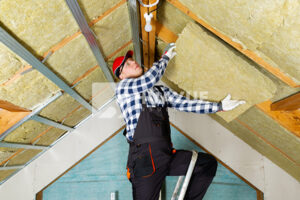
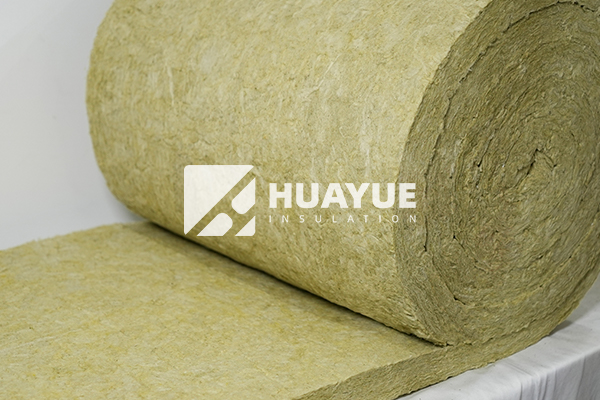
Mineral wool insulation, including rock wool and glass wool, has several disadvantages. It can be more expensive than alternatives like fiberglass batts or foam boards. Installation may require protective equipment due to skin irritation risk. Some forms are heavier, making handling and transport more challenging. In humid environments, mineral wool can absorb moisture if not properly protected, which may reduce thermal efficiency and promote mold growth. The benefits of mineral wool insulation are significant, but understanding these drawbacks is essential for proper material selection.
For B2B buyers, lifecycle costs can be affected by installation labor, packaging requirements, and the need for moisture control. While mineral wool is non-combustible and offers high fire resistance, it may require additional vapor barriers or facings in certain climates or applications. Suppliers should provide reliable specifications and consistent quality, as variations in density or fiber composition can impact performance.
| Disadvantage | Practical Impact | Typical Solution |
|---|---|---|
| Higher cost | Increased project budgets | Bulk purchasing, negotiation |
| Skin irritation | Worker discomfort, PPE required | Gloves, masks during install |
| Moisture absorption | Reduced insulation effectiveness | Use vapor barriers, facings |
| Heavier material | Difficult handling, higher shipping | Mechanical aids, packaging |
| Quality variation | Performance inconsistency | Supplier vetting, QC checks |
What is the R-value of 4 inches of Rock wool?
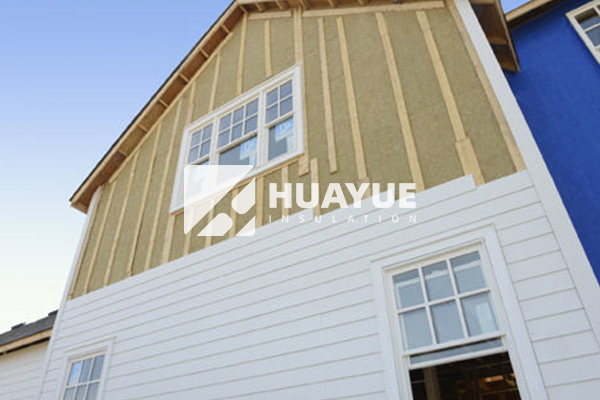
The R-value of 4 inches of rock wool insulation typically ranges from R-15 to R-16, depending on density and manufacturing standards. The benefits of mineral wool insulation include consistent thermal performance across a wide temperature range, making it suitable for exterior walls, roofs, and industrial applications.
R-value measures resistance to heat flow; higher values indicate better insulation. Rock wool’s R-value per inch is generally around 3.7 to 4.2, so 4 inches provides substantial energy savings and thermal comfort. For B2B buyers, specifying the correct thickness and density is crucial for meeting project requirements. Always verify product datasheets and consider regional building codes.
| Insulation Type | Thickness (inches) | Typical R-value | Suitable Applications |
|---|---|---|---|
| Rock Wool Board | 4 | R-15 to R-16 | Exterior walls, roofs, pipe wrap |
| Glass Wool Blanket | 4 | R-13 to R-15 | Interior partitions, ceilings |
| Foam Glass Board | 4 | R-8 to R-9 | Industrial, underground piping |
Do I need a vapor barrier with rock wool insulation?
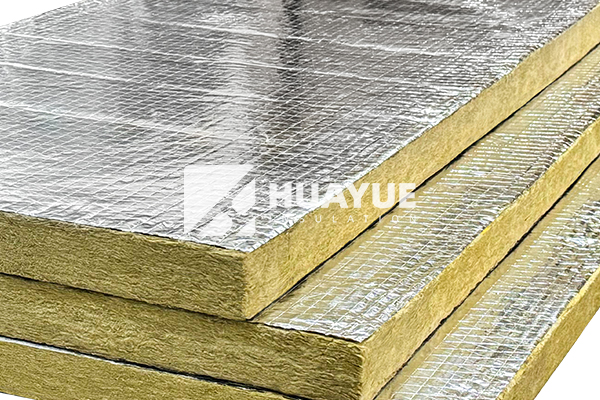
A vapor barrier may be required with rock wool insulation depending on the application, climate, and building envelope design. The benefits of mineral wool insulation include moisture resistance, but rock wool is not completely waterproof. In humid climates or areas with high indoor moisture (such as bathrooms or kitchens), a vapor barrier helps prevent condensation within the insulation, preserving thermal performance and preventing mold growth.
For B2B buyers, correct installation is critical. Consult local codes and project specifications. Some rock wool products come with factory-applied facings that act as vapor barriers. When ordering, request information on available facings, packaging, and installation guidance to ensure compliance and performance.
| Condition | Vapor Barrier Needed? | Recommended Action |
|---|---|---|
| Humid climate | Yes | Install vapor barrier |
| Dry climate | No | Optional |
| High indoor humidity | Yes | Use faced products |
| Exterior wall insulation | Yes | Verify code compliance |
| Interior partition | No | Not usually needed |
What should B2B buyers know about benefits of mineral wool insulation
When evaluating the benefits of mineral wool insulation, B2B buyers should consider fire safety. Mineral wool is non-combustible and withstands temperatures exceeding 1000°C, making it ideal for fire-rated assemblies and industrial facilities. This property distinguishes mineral wool from organic or foam-based insulation, which can melt or emit toxic smoke.
Certifications, such as EN standards or ASTM fire ratings, are vital for project approval. Buyers should request documentation from suppliers and ensure products meet local and international codes. Consistent quality and reliable supply chains are necessary for large-scale projects, so select manufacturers with proven track records and robust logistics.
What should B2B buyers know about benefits of mineral wool insulation
Acoustic performance is another key benefit of mineral wool insulation. Its dense fiber structure absorbs sound, reducing noise transmission in commercial, industrial, and residential buildings. This advantage is especially important for hotels, offices, and multi-family dwellings.
For B2B buyers, specifying the correct product form (board, batt, blanket, or loose fill) ensures optimal sound attenuation. Request acoustic test data and product certifications when selecting materials. Customization options, such as thickness and density, allow buyers to tailor insulation performance to project needs. Reliable packaging and timely delivery minimize site delays and ensure consistent installation quality.
FAQ
Q: What is mineral wool insulation made from?
A: Mineral wool insulation is manufactured from melted stone (rock wool), recycled glass (glass wool), or foam glass. Fibers are formed and bonded into boards, batts, blankets, or loose fill.
Q: How does mineral wool compare to foam glass insulation?
A: Mineral wool offers higher fire resistance and acoustic absorption, while foam glass provides better moisture resistance and compressive strength for industrial applications.
Q: Can mineral wool insulation be customized for specific projects?
A: Yes. Buyers can specify thickness, density, facings, and packaging. Manufacturers like HUAYUE offer customization for B2B projects.
Q: What certifications should mineral wool insulation have?
A: Look for EN, ASTM, or ISO certifications, depending on project location and requirements. Request test reports and compliance documents from suppliers.
Q: Is mineral wool suitable for exterior insulation?
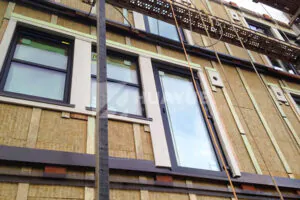
A: Yes, with proper facings and vapor barriers. It is widely used in exterior walls, roofs, and industrial pipe insulation.
Q: What packaging options are available for mineral wool insulation?
A: Products can be supplied in shrink-wrapped bundles, cartons, or pallets. Confirm packaging type and lead time with your supplier.
Conclusion
The benefits of mineral wool insulation include superior fire resistance, acoustic performance, and thermal efficiency. B2B buyers should weigh these advantages against potential drawbacks and ensure proper specification for each project.