







Cut fiberglass insulation on a stable surface with a marked guide, a suitable sharp tool, controlled pressure, and the right protective equipment.
The best way to cut fiberglass insulation is to measure first, support the material, use a sharp insulation knife or suitable utility knife, and make steady cuts without tearing or over-compressing the fibers.
The goal is not simply a fast cut. A good cut leaves an edge that fits the cavity, keeps the insulation layer continuous, limits loose fibers, and makes the next installation step easier to control.
What Is the Best Way to Cut Fiberglass Insulation?
The best way to cut fiberglass insulation starts with preparation rather than the blade itself.
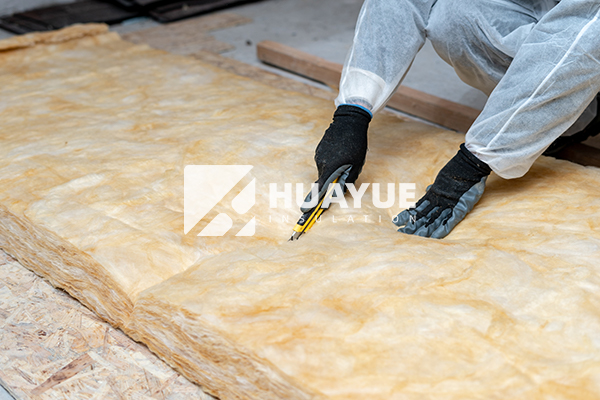
Measure the installation space, mark a visible line, place the batt, blanket, or board on a firm cutting surface, and cut with slow, even strokes along a straightedge.
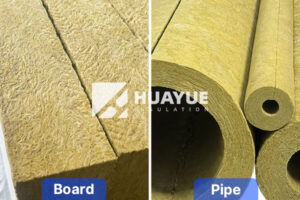
Fiberglass insulation is a fibrous glass wool material commonly supplied as batts, blankets or rolls, boards, and preformed sections. These forms do not all respond to a tool in the same way. A flexible batt may need a supported compression cut, while a board may need a firm guide and several controlled passes. A pipe section may require a tool that follows its curved shape. Match the method to the form instead of forcing one technique across every product.
Before cutting, confirm the finished opening and the direction in which the material will be installed. Mark the line on the facing where one is present, or use a marker on the exposed surface. Put the material on plywood or another sacrificial board so the blade has a stable backstop. A straightedge helps prevent a drifting cut, especially when a long edge must remain square.
Use only enough pressure to hold the insulation steady. Excessive compression can distort the section being measured and leave an edge that springs back unevenly. For a thick batt or roll, a shallow scoring pass followed by one or more deeper passes is usually easier to control than forcing the blade through in one movement. Keep the non-cutting hand away from the blade path, and move the material or guide rather than reaching across an awkward cut.
After cutting, check the edge before carrying the piece to the installation area. Remove loose strands, confirm the length and width, and compare the piece with the opening. The finished piece should fit snugly without open gaps, large folds, or forced compression. If a cut is short, do not stretch the insulation to make up the difference; recut a new piece or use an appropriate offcut where the installation detail allows it.
How to Choose a Knife or Scissors for Fiberglass Insulation
Tool choice depends on the product form, thickness, cut length, and the amount of trimming required on site.
For most thick batts and rolls, a purpose-built insulation knife is the practical choice; a sharp utility knife suits lighter trimming, while insulation scissors work best for thin layers and small pieces.

People often search for the best tool for cutting fiberglass insulation or the best knife for cutting fiberglass insulation. The useful answer is conditional: choose the tool that gives control through the actual material without tearing, excessive compression, or unsafe hand positioning. A long, stiff, serrated insulation knife can make continuous cuts through thicker fibrous products. A utility knife for cutting fiberglass insulation is convenient for short cuts, trimming, or thinner sections, but the blade must be sharp and extended only as far as the job requires. Insulation scissors or industrial shears can be efficient for narrow strips, facing, and small patches, but ordinary household scissors can become dull quickly and may leave a ragged edge.
| Tool | Suitable use | Main advantage | Limitation |
|---|---|---|---|
| Insulation knife | Thicker batts, blankets, rolls, and repeated straight cuts | Long, controlled strokes through fibrous material | Needs careful handling, cleaning, and safe storage |
| Sharp utility knife | Short cuts, trimming, and thinner insulation | Easy to control and commonly available | May snag or require several passes on thick material |
| Insulation scissors or shears | Thin layers, narrow strips, facing, and small patches | Useful for detail work without a long blade | Less efficient on thick or dense sections |
The best knife for fiberglass insulation is therefore not defined by a brand name or one universal blade profile. Look for a handle that stays secure, a blade that is long enough for the material, and a cutting edge that remains predictable under steady pressure. Replace or sharpen a blade when it starts to drag, snag, or crush the fibers. A dull tool often encourages the operator to push harder, which reduces control and can increase debris.
Do not use a tool simply because it is available if the cut requires excessive force or places the hand in line with the blade. For larger production runs, pre-cut or accurately packaged material may reduce on-site cutting, but the final choice should still be checked against the actual opening, product form, and installation instructions. If the product has a facing, confirm how the facing should be cut, positioned, or left continuous for the project assembly.
How to Cut Fiberglass Insulation Without Gaps or Over-Compression
Clean cutting only helps when the finished piece is installed with the same care.
Cut each piece to fit the real space, keep edges continuous around obstacles, and avoid both visible gaps and forceful compression that changes the intended thickness.
Use this sequence for a repeatable installation workflow:
- Measure the opening. Check the length, width, depth, and any irregular corners. Do not rely on nominal framing dimensions when the actual space can be inspected.
- Mark the cut on the correct side. Keep the line visible and identify any facing, seam, or orientation requirement before the blade enters the material.
- Support the insulation. Lay it flat on a firm board. For a flexible batt or roll, hold it flat enough to prevent movement but do not crush the section beyond what is needed for a clean cut.
- Cut along a guide. Use smooth strokes and keep the blade perpendicular when a square edge is needed. Thick sections may be easier to score and finish from the opposite side.
- Shape around services carefully. U.S. Department of Energy building guidance recommends cutting batts to fit non-standard spaces, slitting around wiring and plumbing, notching around boxes, and using suitable scraps to fill behind. Follow the project’s electrical, fire, and installation requirements before working around services. See the DOE Building America guidance.
- Inspect before covering. Look for gaps, folds, torn edges, and areas where the insulation has been pushed out of the cavity. Install long runs first, then use correctly sized offcuts only where they remain stable and continuous.
The correct fit is snug, not jammed. A piece that is too large may bow outward, leave voids behind it, or become compressed at the edges. A piece that is too small may leave a thermal or acoustic discontinuity. Around corners and penetrations, a series of accurate cuts is usually easier to inspect than one oversized piece forced into place.
If a roll or batt is damaged during cutting, do not hide the damaged area behind the finish layer. Rework the piece or replace it according to the project’s quality procedure. The cut edge should remain intact during handling and should not shed loose material into an occupied area or into equipment. For a B2B installation, record recurring fit problems and review whether the selected product form, packaging, or pre-cut approach is creating avoidable site waste.
How to Cut Fiberglass Insulation Safely on the Jobsite
Fiberglass cutting is a material-handling task as well as a knife task, so the work area and protective measures matter.
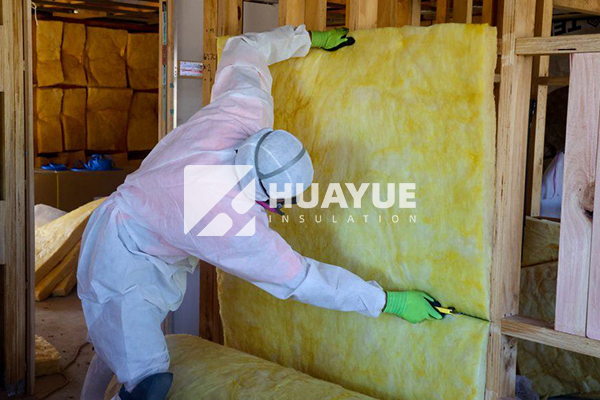
Wear work clothing and task-appropriate PPE, control ventilation and access, keep hands clear of the blade, and clean up fibers and offcuts using the site’s approved procedure.
OSHA identifies skin, eye, and respiratory tract irritation as the main concerns when handling fiberglass insulation. Its general guidance recommends long sleeves, long-legged pants, gloves, and head covering for skin protection; eye protection and respiratory protection may also be necessary depending on the work conditions. Review the product safety data sheet and the site risk assessment before starting. See OSHA’s fiberglass insulation safety guidance.
Set up the cutting station away from finished surfaces, food areas, and unnecessary foot traffic. Keep the work area adequately ventilated, but do not create airflow that carries fibers into occupied rooms or toward other workers. Use a stable board, keep spare blades in a safe container, and never leave a knife hidden under insulation or loose packaging. When cutting several pieces, stage the material so the operator can work without twisting, reaching across the blade, or carrying an unstable roll.
Wear gloves that allow a secure grip without reducing control. Eye protection is especially important when cutting overhead, cutting a facing, or working where loose fibers can move toward the face. Respiratory protection must be selected and managed through the applicable workplace program; a generic mask should not be treated as a substitute for exposure assessment, ventilation, or the product’s safety instructions. For blow-in or dusty operations, follow the applicable respiratory-protection requirements rather than copying PPE from a batt-cutting task.
Keep offcuts contained as soon as practical. Do not shake or tear insulation over the installation area, and do not use compressed air to disperse fibers. Clean the board, tools, and surrounding work surface with the method approved for the site and material. Remove contaminated or damaged insulation through the project’s waste procedure instead of placing it back into a cavity. If fibers enter the eyes, contact irritated skin, or cause breathing discomfort, stop work and follow the product SDS and site first-aid procedure.
For procurement teams, a safer cutting process can also be a specification question. When requesting fiberglass insulation, provide the intended application and product form first. Then confirm the required thickness, facing, cut-size tolerance, packaging, and installation documents with the supplier. Those details are more useful than asking for a generic “best knife,” because they determine how much on-site cutting and handling the project will actually require.
Conclusion
Measure carefully, support the material, choose the tool for its form, and protect the finished fit as carefully as the installer’s hands and eyes.
If you are comparing batt, roll, or board options for a project, share the application and product form first; detailed dimensions and documents can follow.