







Floors can echo noise, disrupting peace. Rock wool acoustic insulation absorbs sound, making spaces quieter. Our solution improves your environment.
Rock wool acoustic floor insulation is effective for minimizing noise. It has high-density fibers that reduce sound transmission, making it ideal for floors needing acoustic control.
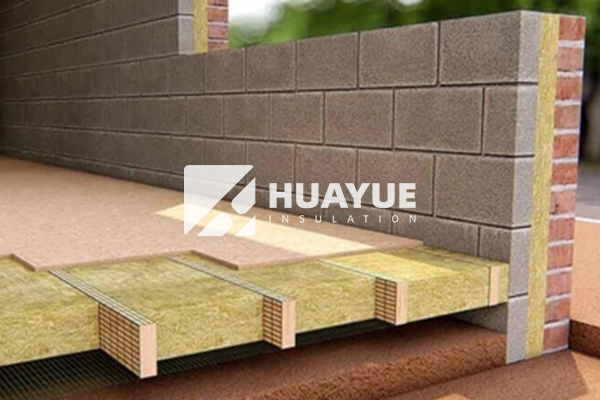
Noise reduction is crucial in modern buildings. Let’s explore if rock wool can insulate a floor effectively.
Can you use ROCK WOOL to insulate a floor?
Floors need effective insulation. Noise can disrupt workspaces. A good solution is essential.
Yes, you can use rock wool to insulate a floor. Its density and fiber structure offer excellent thermal and acoustic properties, reducing sound transmission by up to 50%.
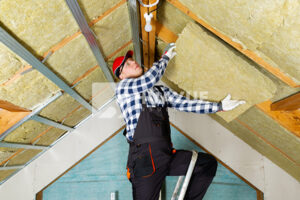
Rock wool is versatile. It’s used in walls, ceilings, and floors. Its fibrous structure traps air, providing thermal and acoustic benefits. For floors, it reduces noise transmission significantly. The density of rock wool, typically around 60-120 kg/m³, makes it effective in absorbing sound. Installation involves placing panels between floor joists or beneath subfloors. This ensures noise reduction between levels. It’s particularly useful in multi-story buildings or spaces requiring quiet, such as libraries or offices. Furthermore, rock wool is fire-resistant, providing an additional safety layer. Its non-combustible nature enhances building safety, making it a preferred choice in construction.
Is ROCK WOOL good for acoustic insulation?
Sound insulation is vital. Unwanted noise affects productivity. Effective materials are needed.
ROCKWOOL is excellent for acoustic insulation. It reduces noise by up to 50% due to its fibrous structure and density, making it ideal for soundproofing environments.
ROCKWOOL’s composition makes it superior for soundproofing. Its fibers are tightly packed, creating a barrier that dampens sound waves. This is crucial in environments where noise control is a priority, such as recording studios or office spaces. The material’s ability to absorb sound is measured by its Noise Reduction Coefficient (NRC), which typically ranges from 0.8 to 1.0 for ROCKWOOL, indicating high effectiveness. Additionally, its thermal insulation properties help maintain energy efficiency, reducing heating and cooling costs in buildings.
What is the best insulation for soundproofing floors?
Finding the right insulation is challenging. Many options exist. Understanding differences helps.
Rock wool is among the best for soundproofing floors. Its density and structure significantly reduce noise levels, outperforming many alternatives in acoustic performance.
Different insulation materials have varying soundproofing abilities. Here’s a quick comparison:
| Material | Density (kg/m³) | NRC | Fire Resistance |
|---|---|---|---|
| Rock Wool | 60-120 | 0.8-1.0 | High |
| Fiberglass | 10-48 | 0.7-0.9 | Moderate |
| Foam Panels | Varies | 0.5-0.8 | Low |
Rock wool stands out for its high density and NRC rating. Its fibrous structure is excellent for absorbing sound. In comparison, fiberglass and foam panels have lower densities, making them less effective in soundproofing. For floors, rock wool is installed beneath the subfloor, ensuring sound reduction between levels. Its fire-resistant properties add an extra layer of safety in buildings. Thus, for both performance and safety, rock wool is a top choice.
What is the downside of ROCK WOOL?
Every product has drawbacks. Knowing them helps make informed decisions.
Rock wool’s main downside is its cost. It might be more expensive than alternatives, with prices ranging around $1.10 to $1.50 per square foot.
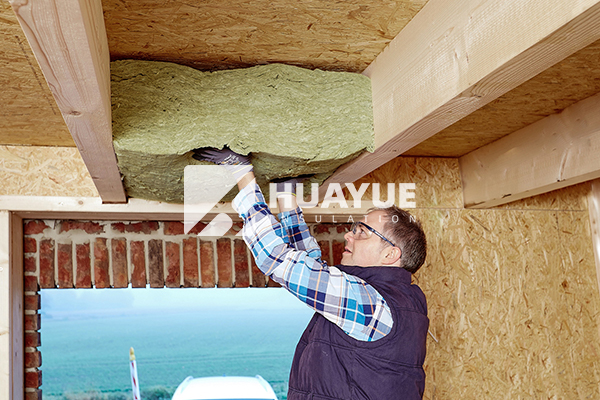
While rock wool offers excellent insulation properties, its cost can be a concern. The initial investment may be higher compared to materials like fiberglass. However, its superior acoustic and thermal performance often justifies the price. Another downside is the need for protective gear during installation, as the fibers can irritate the skin and respiratory system. Proper handling and equipment, such as gloves and masks, are necessary. Despite these drawbacks, its benefits in soundproofing and fire resistance make it a valuable investment. Over time, energy savings and enhanced comfort can offset the initial costs.
Do mice chew through ROCK WOOL insulation?
Pests can damage insulation. Understanding their behavior is crucial.
Mice generally do not chew through rock wool insulation. Its fibrous and dense structure is unappealing to rodents, making it a pest-resistant option.
Rock wool’s density and material composition make it unattractive to pests like mice. Unlike softer materials, such as foam or fiberglass, rock wool doesn’t provide a comfortable nesting environment. This makes it a durable choice for insulation in areas prone to rodent issues. Additionally, its fire-resistant properties add an extra layer of safety, deterring pests. Mice often seek materials that are easy to gnaw, but rock wool’s structure resists this behavior. Therefore, it remains intact over time, maintaining its insulation properties without pest interference.
Conclusion
Rock wool acoustic floor insulation effectively reduces noise. Its dense, fibrous structure provides superior soundproofing, making it a top choice for quiet environments.