







Choosing insulation is tough. Different thicknesses, varying R-values, endless options. It’s overwhelming. What if you could simplify? Understand the basics of rock wool insulation thickness.
Rock wool insulation thickness is crucial for effective thermal performance. Thicker layers generally offer better insulation, reducing heat loss and energy costs. Consider specific needs to select the right thickness.
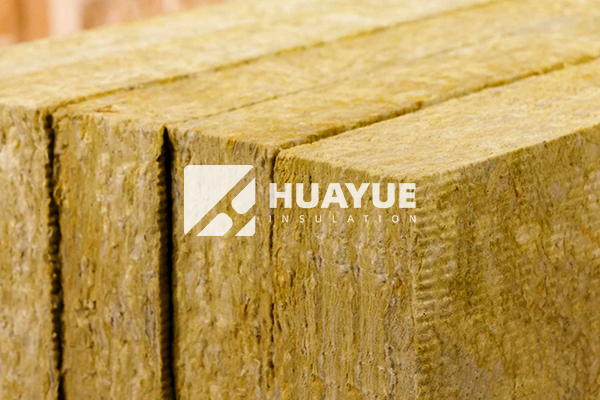
Rock wool has been a trusted choice for insulation. But how does the thickness change its effectiveness? Let’s explore.
What is the R-value of 4 inches of ROCK WOOL?
R-value indicates insulating power. Higher means better. Confusing? Yes. Important? Absolutely. Why? It measures how well insulation resists heat.
Four inches of rock wool typically have an R-value of about 15. This provides excellent thermal resistance, keeping spaces warmer in winter and cooler in summer.
Understanding R-value
- R-value Definition: A measure of thermal resistance.
- Importance: Determines insulation effectiveness.
- Typical Values: Rock wool, 4 inches = R-15.
Rock wool’s density and composition contribute to its high R-value. Dense fibers trap air, reducing heat flow. This makes it a top choice for both residential and industrial applications.
Do I need an air gap with rock wool insulation?
Air gaps can enhance insulation. Still, is it necessary for rock wool? Many wonder if they should leave space.
An air gap isn’t essential for rock wool, but it can improve performance. Typically, 1-inch air gaps enhance thermal resistance without compromising effectiveness.
Factors to Consider
- Installation Method: Direct contact or with an air gap.
- Wall Construction: Some structures benefit from gaps.
- Moisture Concerns: Air gaps can prevent condensation.
Rock wool already has excellent insulating properties. However, an air gap can further reduce heat transfer by minimizing thermal bridging.
What thicknesses does ROCK WOOL insulation come in?
Insulation needs differ. The right thickness depends on purpose and space. Which thickness should you choose?
Rock wool insulation is available in various thicknesses, typically ranging from 1 to 6 inches. This variety allows customization according to specific thermal requirements.
Common Thickness Options
| Thickness (inches) | Typical Use |
|---|---|
| 1-2 | Interior walls, ceilings |
| 3-4 | Exterior walls, floors |
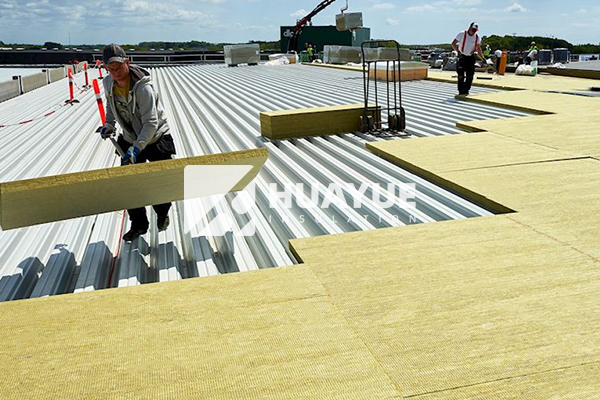
| 5-6 | Roofs, industrial applications |
Choosing the right thickness ensures optimal insulation. Thicker layers provide better soundproofing and fire resistance, crucial for certain environments.
What are the negatives of ROCK WOOL insulation?
No insulation is perfect. Rock wool, though effective, has downsides. Understanding these is vital.
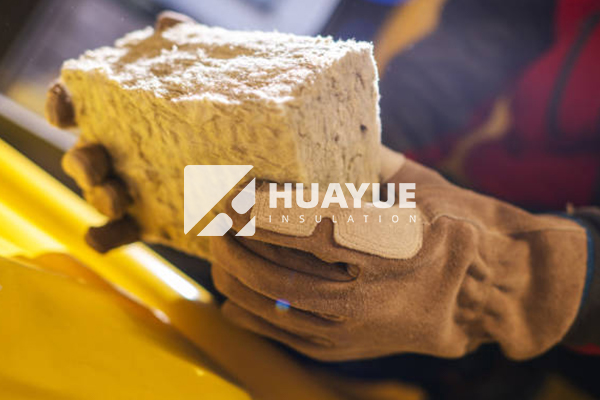
Despite its benefits, rock wool insulation may shed fibers during installation, requiring protective gear. It’s also heavier than alternatives, impacting handling and transport.
Downsides Explored
- Fiber Shedding: Can irritate skin and lungs.
- Weight: Heavier, more challenging to install.
- Cost: Often pricier than other insulations.
Despite these drawbacks, its advantages—fire resistance, soundproofing, and thermal efficiency—often outweigh the negatives.
Will mice chew through ROCK WOOL insulation?
Pests are a concern for any insulation. Does rock wool resist them?
Mice typically do not chew through rock wool insulation. Its mineral composition is unattractive and difficult for rodents to penetrate.
Rock wool’s dense, fibrous structure deters most pests. It doesn’t provide food or nesting material, making it less appealing to mice and other rodents.
Conclusion
Understanding rock wool insulation thickness is key to maximizing thermal efficiency. Choose wisely to match your needs and environment.