







Finding high-quality insulation can be a challenge. Not all options are equal. We have a reliable solution.
Mineral wool for sale is available through various suppliers, offering excellent thermal and acoustic insulation properties. It is commonly used in construction and industrial applications. You can find mineral wool for sale in different forms and sizes to suit your specific project needs.
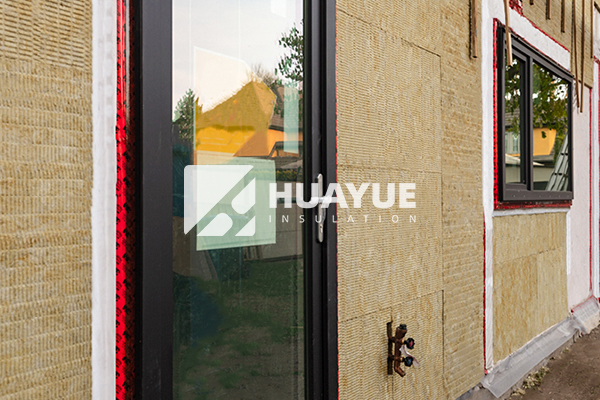
Mineral wool has become a popular choice for insulation. But what exactly is it, and how does it compare to other materials?
Is there a difference between rockwool and mineral wool?
Understanding insulation types can be confusing. The terms "rockwool" and "mineral wool" are often used interchangeably. Clarifying these terms helps in making informed choices.
Rockwool and mineral wool are similar but not identical. Rockwool is a type of mineral wool made from basalt rock, while mineral wool can also include slag wool. Both provide excellent insulation but have different compositions.
Composition Differences
- Rockwool: Made primarily from basalt rock.
- Slag Wool: Composed of blast furnace slag.
Both types of mineral wool offer high thermal resistance, usually around R-4 to R-5 per inch. This makes them effective for keeping spaces insulated against temperature changes.
Applications
- Rockwool: Common in building insulation.
- Slag Wool: Often used in industrial settings.
When considering mineral wool for sale, think about your specific application needs. Rockwool is often preferred for residential use due to its natural composition.
What are the negatives of mineral wool?
While effective, mineral wool has some drawbacks. Understanding these can help in making a balanced decision.
Mineral wool can be irritating to the skin and lungs if not handled properly. It is not biodegradable, and its production can be energy-intensive, affecting environmental sustainability.
Health and Safety Concerns
Handling mineral wool requires caution. The fibers can irritate skin and respiratory systems. Protective gear like gloves and masks is essential during installation.
Environmental Impact
- Non-biodegradable: Mineral wool does not easily decompose.
- Energy Use: Production requires significant energy, contributing to carbon emissions.
Despite these downsides, the long-term insulation benefits often outweigh the negatives, especially when considering energy savings.
Do rodents nest in rock wool?
Pests can be a major concern in insulation materials. Understanding how rock wool interacts with wildlife is crucial.
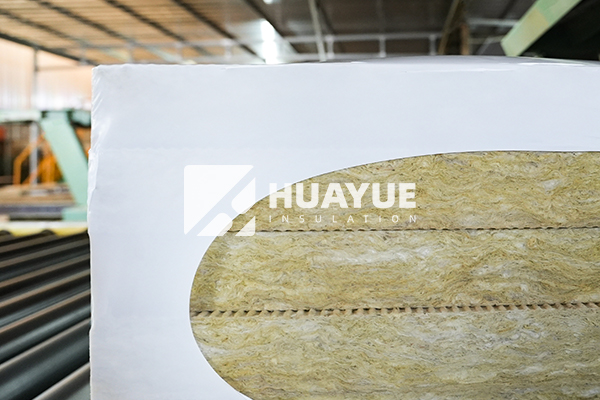
Rodents generally avoid rock wool because it does not provide a comfortable nesting material. The fibers are not conducive to burrowing or nesting, reducing the likelihood of infestation.
Why Rodents Avoid It
- Uncomfortable Texture: The fibrous texture is itchy and unpleasant for rodents.
- No Food Source: Rock wool does not attract pests as it lacks organic material.
Using rock wool can be an effective deterrent against pests. It offers peace of mind, especially in areas prone to rodent activity.
What is the best mineral wool?
Choosing the best mineral wool depends on several factors. Each type offers unique benefits.
The best mineral wool depends on specific needs. For thermal insulation, rockwool with an R-value of 3.0 to 3.3 per inch is ideal. For soundproofing, denser mineral wool with a higher NRC rating is recommended.
Factors to Consider
- Thermal Performance: Look for high R-values.
- Soundproofing: Higher NRC ratings indicate better sound absorption.
- Moisture Resistance: Some mineral wools offer water-repellent properties.
Product Comparison
| Feature | Rockwool | Slag Wool |
|---|---|---|
| Thermal R-value | 3.0 – 3.3 | 2.5 – 2.8 |
| NRC Rating | 0.90 | 0.85 |
| Water Resistance | Moderate | High |
Understanding the specific properties of each type will guide you in selecting the right mineral wool for sale.
Can you touch rock wool with bare hands?
Direct contact with insulation materials can pose risks. Knowing the best practices for handling rock wool is important.
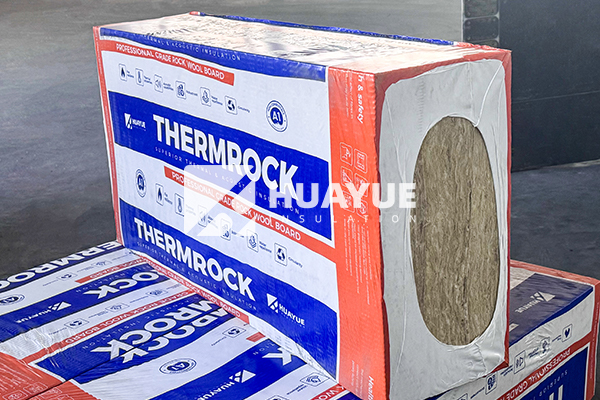
It is not recommended to touch rock wool with bare hands. The fibers can cause itching and irritation. Always use protective gloves when handling rock wool to avoid skin discomfort.
Handling Tips
- Wear Gloves: Protects against irritation.
- Use Masks: Prevents inhaling fibers.
- Protective Clothing: Reduces skin contact.
Proper handling ensures safety and minimizes discomfort during installation. By following these precautions, you can safely work with mineral wool for sale.
Conclusion
When considering mineral wool for sale, weigh the benefits against the drawbacks. Whether for insulation or soundproofing, it offers versatile solutions.