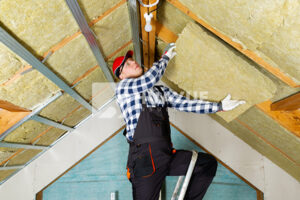






Rock wool cavity insulation is widely used in modern cavity wall construction for its fire resistance and thermal performance.
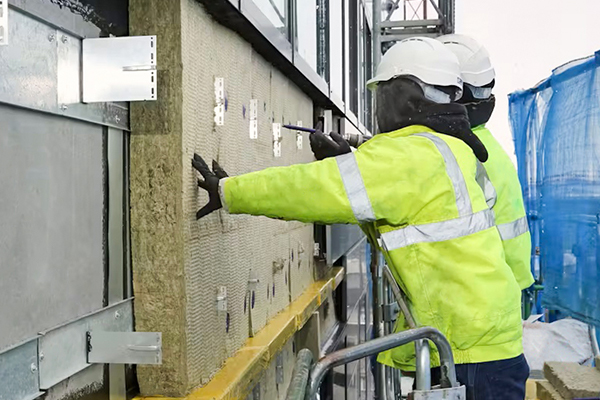
Rock wool cavity insulation is a mineral fiber product designed for cavity walls, offering excellent fire safety, moisture resistance, and thermal efficiency. It fits tightly in the cavity, reducing heat loss and minimizing condensation risks.
Do I need an air gap with ROCK WOOL insulation?
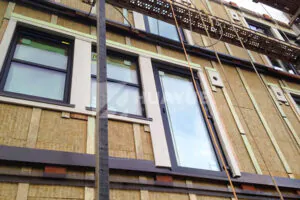
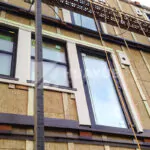
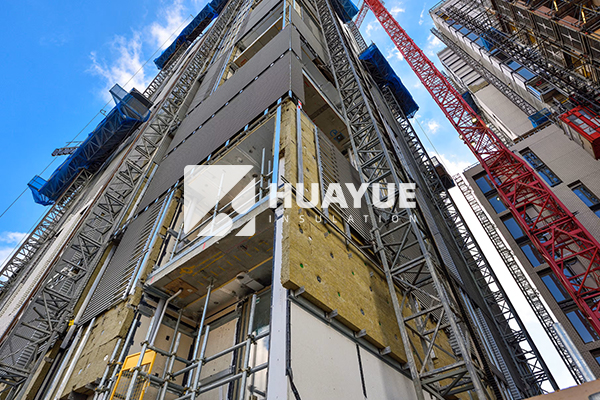
In most cavity wall applications, an air gap is not required when using rock wool insulation. Rock wool is typically installed as a full-fill solution, meaning it occupies the entire cavity between the inner and outer masonry leaves. This ensures maximum thermal efficiency and prevents cold bridging.
However, some local building codes or specific wall designs may require a partial-fill approach, where rock wool is installed against the inner leaf, leaving a small air gap next to the outer leaf. This is mainly to address concerns about moisture migration in regions with high rainfall or poorly constructed external walls. Always check local regulations and consult with a building engineer before installation.
Benefits of full-fill rock wool cavity insulation:
- Enhanced thermal performance by eliminating air spaces
- Reduced risk of condensation within the cavity
- Consistent insulation coverage
Is ROCK WOOL good for insulation?
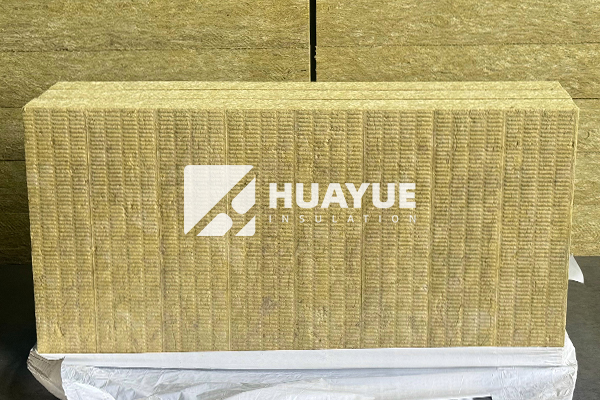
Rock wool is highly effective for insulation, especially in cavity walls. It provides:
- High thermal resistance (typical λ-value: 0.035–0.040 W/m·K)
- Excellent fire protection (non-combustible, typically Class A1)
- Sound absorption properties
- Moisture resistance
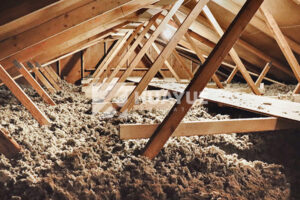
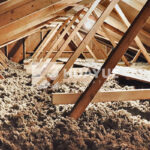
Compared to glass wool or foam glass, rock wool is preferred in cavity wall applications for its robustness, fire resistance, and ability to maintain performance even when exposed to moisture. It is available in various forms: boards, batts, rolls, and loose fill, allowing flexibility for different wall types and installation methods.
| Insulation Type | Typical λ-value (W/m·K) | Fire Rating | Moisture Resistance | Suitable for Cavity Walls |
|---|---|---|---|---|
| Rock Wool | 0.035–0.040 | A1 | High | Yes |
| Glass Wool | 0.032–0.040 | A1 | Moderate | Yes |
| Foam Glass | 0.038–0.045 | A1 | Very High | Limited |
Can mold grow in ROCK WOOL insulation?
Rock wool insulation is inherently resistant to mold growth. Its inorganic mineral fiber composition does not provide nutrients for mold or bacteria. Additionally, rock wool is hydrophobic—meaning it repels water—so it does not absorb moisture that could foster mold.
However, improper installation or water ingress from external sources (e.g., leaks in the wall structure) may create conditions where mold can grow on adjacent materials, but not within the rock wool itself. Always ensure proper installation and maintain the integrity of the wall structure to avoid moisture-related issues.
Do I need a vapor barrier when using ROCK WOOL?
Most cavity wall applications using rock wool do not require a separate vapor barrier. Rock wool’s breathability allows vapor to pass through, reducing condensation risks within the wall. However, in buildings with high internal humidity or where the internal wall surface is prone to condensation, a vapor barrier may be recommended on the warm side (interior) of the wall.
Considerations for vapor barrier use:
- Climate zone (cold vs. hot/humid)
- Internal humidity levels
- Wall construction details
Consult with a building engineer to determine the necessity of a vapor barrier for your specific project.
What should B2B buyers know about rock wool cavity insulation?
B2B buyers—contractors, insulation installers, and procurement specialists—should assess the following when sourcing rock wool cavity insulation:
Specifications
- Thickness: Common ranges are 50–150 mm, depending on thermal requirements
- Density: Typically 40–120 kg/m³ for cavity wall boards and batts
- Thermal conductivity: λ-value as per project needs
Certifications and Standards
- Ensure compliance with national and international fire safety and thermal standards
- Look for CE, EN, ASTM, or local certifications
Packaging and Delivery
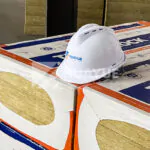
- Boards and batts are usually shrink-wrapped or palletized for easy handling
- Rolls and loose fill are supplied in bags for bulk use
- Confirm packaging type for site logistics
Supplier Reliability
- Consistent quality and batch traceability
- Reliable lead times, especially for large or custom orders
- Technical support and documentation availability
Lifecycle Cost
- Evaluate not just initial purchase price, but installation labor, maintenance, and long-term energy savings
Customization
- Custom sizes, densities, or lamination (e.g., water-repellent coatings) may be available for special projects
FAQ
Can rock wool cavity insulation be used in retrofit projects?
Yes, rock wool is suitable for both new build and retrofit cavity wall insulation projects.
What is the typical fire rating of rock wool cavity insulation?
Rock wool is generally rated as Class A1 (non-combustible), the highest fire safety standard.
How is rock wool cavity insulation installed?
It is typically fitted as boards or batts between the inner and outer masonry leaves, ensuring tight joints and full coverage.
Is rock wool cavity insulation environmentally friendly?
Rock wool is made from natural minerals and is recyclable; many products have low embodied energy.
Can rock wool cavity insulation be cut to size on site?
Yes, rock wool boards and batts can be trimmed with standard insulation knives for precise fitting.
Conclusion
Rock wool cavity insulation delivers robust fire safety, thermal performance, and moisture resistance for cavity wall applications. B2B buyers should prioritize specification, certification, supplier reliability, and lifecycle cost for successful projects.