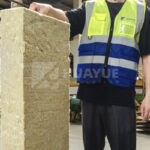






Rock mineral wool is a widely used insulation material valued for its fire resistance, thermal performance, and versatility across building and industrial applications.
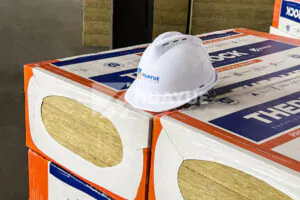
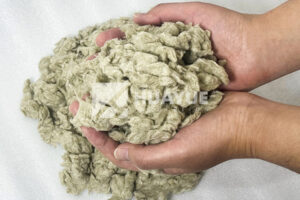
Rock mineral wool is an inorganic insulation material made by melting natural rock and spinning it into fibers, forming products like boards, blankets, pipes, and loose fill. It is also known as stone wool or mineral wool.
What is rock mineral wool made of?
Rock mineral wool is primarily made from natural volcanic rocks, such as basalt or diabase. The process involves heating these raw materials to temperatures above 1,400°C (2,550°F) until they melt. The molten rock is then spun into thin fibers using high-speed spinning wheels or jets of air and steam. These fibers are collected and bonded together with a small amount of binder (usually less than 5% by weight) to form various insulation products.
The resulting material is shaped into different forms, including:
- Boards (rigid panels)
- Pipes (pre-formed pipe insulation)
- Blankets or rolls (flexible mats)
- Batts (pre-cut slabs)
- Loose fill or blowing wool (for cavity filling)
Rock mineral wool typically features a fiber diameter of 4–6 microns, giving it a dense, interlocking structure. This structure traps air, providing excellent thermal and acoustic insulation.
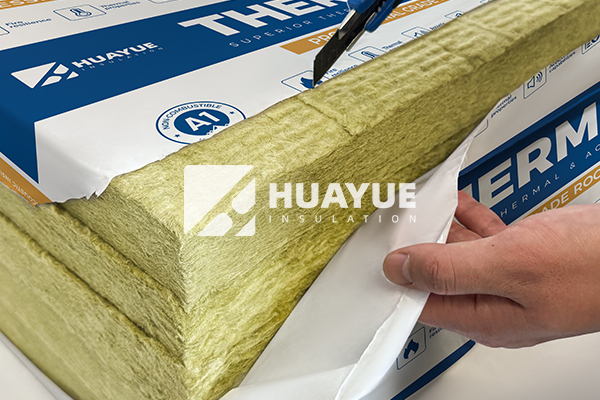
What is the difference between ROCK WOOL and mineral wool?
Rock wool and mineral wool are often used interchangeably, but there are distinctions:
Direct answer:
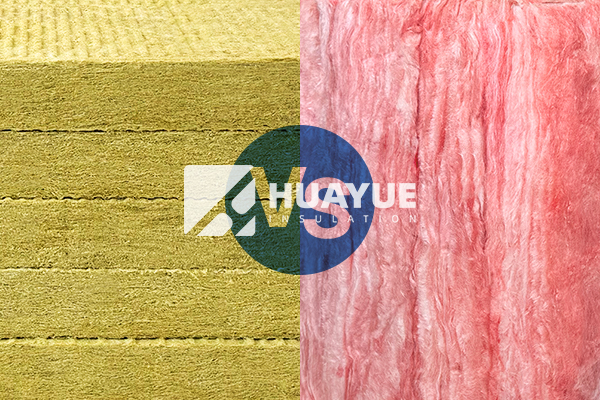
Rock wool is a type of mineral wool made specifically from natural rock, while “mineral wool” is a broader term that also includes glass wool (made from recycled glass or sand) and slag wool (from blast furnace slag).
Comparison Table: Rock Wool vs. Mineral Wool Types
| Feature | Rock Wool | Glass Wool | Slag Wool |
|---|---|---|---|
| Main Raw Material | Basalt, diabase, rocks | Recycled glass, sand | Blast furnace slag |
| Fiber Color | Grey, brown | Yellow, white | Grey, brown |
| Fire Performance | Non-combustible | Non-combustible | Non-combustible |
| Typical Forms | Board, pipe, blanket | Blanket, batt, pipe, board | Board, loose fill |
| Acoustic Insulation | Excellent | Good | Good |
Mineral wool is a category that includes rock wool, glass wool, and slag wool. For B2B buyers, it is important to specify the exact material required, as each type has unique properties and certifications.
What is the downside of ROCK WOOL?
Direct answer:
The main downsides of rock wool are its higher density (resulting in heavier weight), potential for fiber irritation during installation, and sometimes higher cost compared to glass wool.
Practical Considerations:
- Weight: Rock wool is denser than glass wool, which means it is heavier to handle and may require stronger support structures in certain applications.
- Installation: The fibers can cause skin, eye, or respiratory irritation if proper personal protective equipment (PPE) is not used during handling and installation.
- Cost: Due to its raw material and manufacturing process, rock wool can be more expensive than glass wool, especially in large-scale projects.
- Water Absorption: While rock wool is water-repellent when properly treated, prolonged exposure to moisture can reduce its insulation performance if not protected.
However, these disadvantages are often outweighed by rock wool’s superior fire resistance, dimensional stability, and acoustic performance, making it a preferred choice for demanding environments.
What is another name for ROCK WOOL?
Direct answer:
Rock wool is also commonly known as stone wool, mineral wool (when context is clear), or stone fiber insulation.
Terminology Deep Dive:
- Stone Wool: This term is widely used in Europe and Asia, emphasizing the natural rock origin.
- Mineral Wool: In industry standards, “mineral wool” may refer to both rock wool and glass wool. Always clarify with suppliers.
- Other Names: Stone fiber, mineral fiber insulation, or simply “wool insulation” in some regions.
For procurement and specification, always use the term that matches the local standard or certification to avoid confusion.
What should B2B buyers know about rock mineral wool?
B2B buyers and specifiers should consider several key factors when sourcing rock mineral wool:
- Specifications: Confirm the product form (board, pipe, blanket, batt, loose fill), thickness, density, and thermal conductivity. Typical density ranges from 40 to 200 kg/m³, and thermal conductivity values are usually around 0.035–0.045 W/m·K.
- Certification: Check if the supplier meets relevant standards (e.g., EN, ASTM, GB/T) for fire resistance, thermal performance, and emissions.
- Packaging and Delivery: Rock mineral wool is supplied in cartons, bundles, or pallets. Confirm packaging type and lead times, especially for custom sizes or large orders.
- Supplier Reliability: Evaluate consistency in quality, production capacity, and after-sales support. Request technical datasheets and third-party test reports.
- Customization: Some projects require non-standard dimensions, facings (e.g., aluminum foil, glass cloth), or pre-cut shapes. Confirm customization options and minimum order quantities.
- Lifecycle Cost: While initial cost may be higher than glass wool, rock mineral wool’s durability, fire safety, and minimal maintenance can lower total lifecycle costs.
Selection Table: Rock Mineral Wool Product Forms and Applications
| Product Form | Typical Application | Key Features |
|---|---|---|
| Board | Wall, roof, floor insulation | Rigid, high compressive |
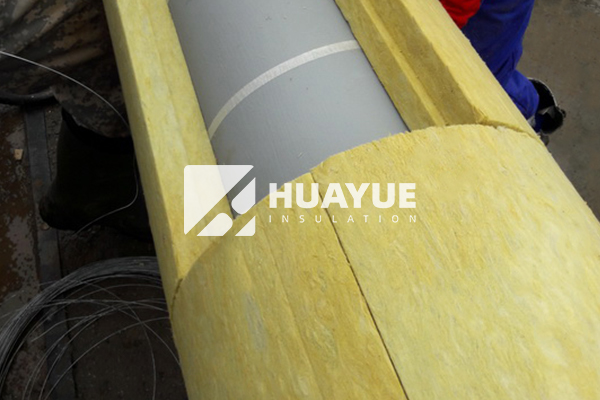
| Pipe | Process piping, HVAC | Pre-formed, easy fitting |
| Blanket/Roll | Large area coverage, tanks | Flexible, quick install |
| Batt | Partition walls, ceilings | Pre-cut, easy handling |
| Loose Fill | Cavity walls, difficult areas | Blown-in, gap filling |
FAQ
Q1: Is rock mineral wool fireproof?
A1: Yes, rock mineral wool is non-combustible and can withstand temperatures above 1,000°C, making it ideal for fire-rated applications.
Q2: Can rock mineral wool be used for sound insulation?
A2: Absolutely. Its dense fiber structure provides excellent sound absorption, making it suitable for acoustic insulation in walls, ceilings, and industrial facilities.
Q3: Is rock mineral wool suitable for exterior insulation?
A3: Yes, when properly protected with weather-resistant facings or coatings, rock mineral wool is used in external wall insulation systems and industrial cladding.
Q4: How is rock mineral wool shipped internationally?
A4: It is typically compressed and packed in cartons, bundles, or on pallets. Check with the supplier for container loading details and shipping lead times.
Q5: Does rock mineral wool contain any hazardous substances?
A5: Modern rock mineral wool is free from asbestos and formaldehyde binders. Always request a material safety data sheet (MSDS) from the supplier.
Conclusion
Rock mineral wool offers robust fire, thermal, and acoustic insulation for industrial and building projects. Understanding its composition, forms, and buyer considerations ensures optimal selection and long-term value.