







Mineral wool insulation installation succeeds when the specified product, building details, supports, and inspection plan work together before the work is concealed.
For a commercial or project installation, start with a submittal that identifies the exact mineral wool product, the approved assembly, fixing details, interfaces, and inspection hold points. A snug fit alone does not prove that the completed work meets the design.
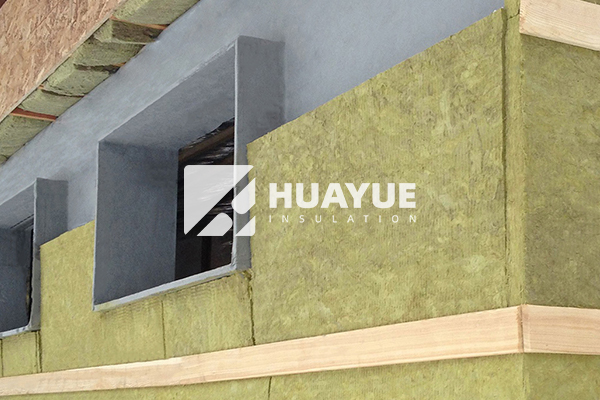
This guide focuses on the decisions that prevent a seemingly simple insulation installation from becoming a problem at handover: matching evidence to the product, resolving interfaces before work starts, and checking the concealed work in stages.
What Should Be Approved Before Mineral Wool Insulation Installation?
Do not begin with a generic product brochure or a verbal instruction to “install mineral wool.” Start with a coordinated package for the exact location and assembly.
The pre-installation package should identify the product form and thickness, map it to the drawings, and show how joints, supports, penetrations, control layers, and adjacent trades will be handled. Product data must match the material that will actually be delivered.
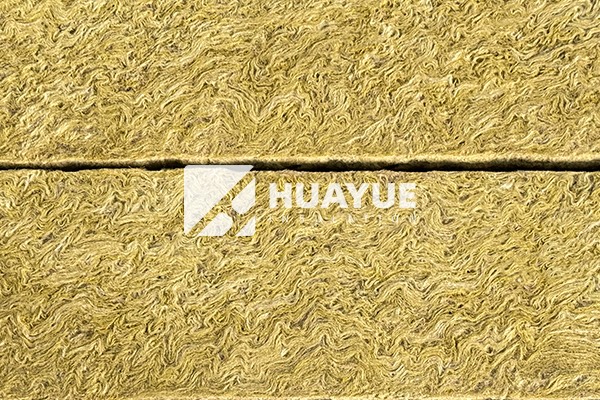
The schedule should distinguish the intended form—such as batt, board, blanket, pipe section, or lamella—and state the location, dimensions, thickness, facing or coating where applicable, and drawing reference. Density and thermal resistance are not interchangeable installation instructions: when either is specified, confirm that the declared value, test conditions, and product identity apply to the proposed item. A material family name alone is not enough to approve a substitution.
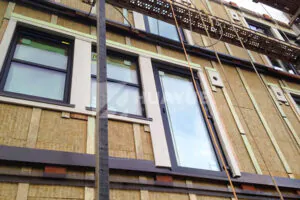
The coordinated drawings should make the installation buildable. They need to show insulation continuity at corners, openings, transitions, service zones, and terminations; the required layers of the assembly; and the method of retention. Include pins, clips, rails, mesh, bands, anchors, or other fixing components when they are part of the design. Overhead, vertical, cladding-backed, vibrating, or equipment-insulation work needs an approved retention detail rather than an assumption that friction will hold every product in place.
Also confirm the condition of the work that comes first. The substrate, framing, sheathing, services, membranes, flashings, and firestop interfaces must be ready for the selected assembly. The Insulation Institute’s installation guidance similarly emphasizes checking the required R-value, any vapor-retarder requirement, tools, protective equipment, air sealing, and gaps before relying on batt insulation. Requirements for air, vapor, drainage, and weather control depend on the entire wall, roof, floor, or equipment system and on the project location—not on mineral wool alone.
A practical pre-start checklist is:
- Match delivery labels and current product documents to the approved schedule.
- Confirm the installation drawing revision and the exact assembly reference.
- Resolve cutting, support, joints, penetrations, and transitions with the responsible trades.
- Set acceptance criteria for substrates, storage, weather exposure, and damaged material.
- Identify hold points before insulation is covered by finishes, cladding, jackets, or linings.
Which Mineral Wool Installation Details Need Project-Specific Review?
The most important details are the ones where a mineral wool layer meets another system or must stay in place under real service conditions.
Review support, continuity, moisture-control interfaces, services, and any tested assembly as a complete detail. Do not turn a material description, a reaction-to-fire classification, or a typical sketch into approval for a different construction.
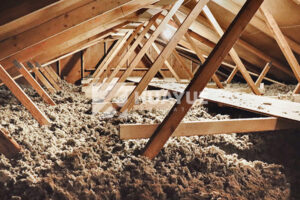
The retention method must suit the product form and orientation. A cavity batt may be designed to fit within framing, while a board behind cladding, an overhead blanket, or insulation around equipment may require mechanical support defined by the system designer. Cutting must preserve coverage around brackets, pipes, ducts, cables, boxes, access panels, and irregular edges. The objective is not to force every piece into a space; it is to maintain the specified thickness and continuous coverage without unplanned voids, severe compression, or damaged adjacent layers.
Control-layer coordination requires equal care. Mineral wool insulation does not, by itself, establish the project’s air barrier, vapor retarder, drainage plane, weather barrier, or waterproofing. The approved detail should show the sequence and continuity of membranes, facings, tapes, sealants, flashings, and penetrations. The U.S. Environmental Protection Agency’s moisture-control guidance recommends designing to prevent uncontrolled moisture accumulation; the correct solution is therefore assembly- and climate-specific, rather than a universal instruction to add or omit a vapor barrier.
For a fire-resistance, acoustic, thermal, or other performance requirement, compare the proposed field construction with the applicable tested or listed assembly. Check the relevant layers, framing, fasteners, joints, penetrations, product identity, thickness, orientation, and any required firestopping or seals. A mineral wool insulation product may be part of a performance-tested assembly, but the material alone does not establish the performance of a completed wall, floor, roof, duct, or enclosure.
When a proposed change affects the product, thickness, facing, support, interface, or assembly, submit it for review before concealment. That discipline is more useful than treating generic “types of mineral wool insulation” as interchangeable; the correct choice depends on the application and documented assembly.
How Should Mineral Wool Insulation Be Checked Before Closure?
Inspect the work in stages while its condition and interfaces can still be seen, measured, photographed, and corrected.
A useful quality check verifies product identity, condition, thickness, fit, supports, joints, service interfaces, and the approved assembly reference. Record corrections by location and obtain the required release before finishes hide the insulation.
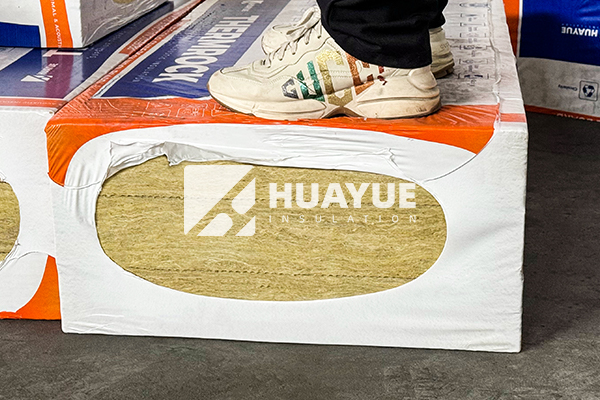
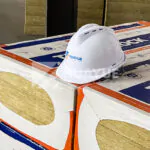
Begin with the delivered material. Compare labels, product name, form, thickness, facing, and document revision with the approved submittal. Segregate unapproved substitutions and visibly damaged or wet material until the responsible party decides how it will be handled. Verify that storage and handling follow the product instructions and project requirements.
During installation, inspect representative areas and all critical transitions. Check that the material fits the intended space without obvious gaps, torn edges, or unintended compression; that joints, layers, corners, and penetrations follow the approved drawings; and that the specified supports and fasteners are present. Look behind services and at concealed faces before they become inaccessible. Where air, vapor, drainage, weather, fire, or acoustic control is detailed, inspect the connection between the mineral wool and those adjacent components instead of viewing the insulation in isolation.
Use a simple location-based record: drawing grid or room, assembly type, product reference, observation, photo, corrective action, responsible party, and reinspection result. The closeout package can retain approved submittals, revisions, delivery evidence, inspection records, relevant test or listing references, approved substitutions, and photographs. This traceability helps later teams understand what was installed if an opening, repair, or investigation is needed.
For an inquiry, share the application and the drawing or assembly type first. Thickness, target performance, facing, quantity, destination, and required documents can then be confirmed progressively. The rock wool insulation category is a starting point for identifying a suitable product form, but the project documents determine whether it is appropriate for the proposed installation.
Conclusion
Treat mineral wool insulation installation as a coordinated submittal-and-inspection task: approve the actual assembly first, verify the work before closure, and resolve substitutions through the project review process.