







Rock wool safety depends on whether the insulation is intact and enclosed or being cut, fitted, damaged, maintained, or removed.
Yes. Rock wool can be safely installed and used when fiber and dust exposure is controlled. Avoid bare-hand contact during work because loose fibers can temporarily irritate the skin, eyes, nose, throat, and lungs. Installed, enclosed insulation presents a different exposure condition from active disturbance.
The practical question is therefore not whether every situation is simply “safe” or “unsafe,” but what exposure can occur and which product evidence and controls apply.
Is Rock Wool Safe to Touch?
Direct contact is mainly a handling issue because loose mineral fibers can create temporary mechanical irritation.
Rock wool should not normally be handled with bare hands. Contact is not the same as chemical poisoning, but fibers may irritate exposed skin and can also reach the eyes or become airborne when the material is disturbed.
The NIOSH Pocket Guide for mineral wool fiber identifies inhalation and skin or eye contact as exposure routes. It lists irritation of the eyes, skin, and respiratory system among the possible symptoms. For someone asking “is rockwool safe to touch?”, the useful answer is therefore conditional: incidental contact does not make the material automatically toxic, but unnecessary contact should still be prevented.
This distinction matters because the words “toxic” and “non-toxic” do not describe the whole exposure situation. Mechanical irritation can occur even when a product is not assigned a hazardous chemical classification. Conversely, a general material classification cannot describe every binder, facing, coating, adhesive, contaminant, or work condition associated with a particular installation.
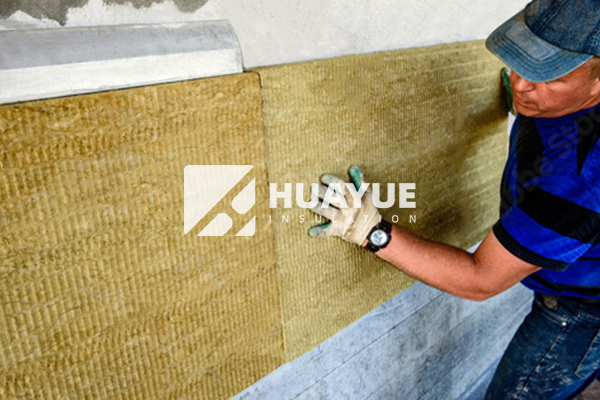
During handling, keep exposed skin covered, avoid touching the face or eyes, and use the gloves and eye protection required by the current product safety instructions and task assessment. If contact or symptoms occur, follow the first-aid directions in the applicable safety data sheet and workplace procedure. Persistent or significant symptoms should be handled through the appropriate medical and occupational process rather than an online article.
The condition of the product also changes the likelihood of contact. Moving intact packages, fitting pre-cut pieces, power cutting, overhead installation, repairing damaged insulation, and demolition do not create the same exposure. The product identity and the actual task must be considered together.
What Rock Wool Health Issues Matter During Cutting or Removal?
Health concerns increase when cutting, rough handling, maintenance, or removal releases fibers and dust into the work area.
The best-documented ordinary effects are temporary irritation of the skin, eyes, and respiratory tract. Longer-term questions depend on exposure level, duration, route, product composition, and work conditions, so category-level conclusions should not be turned into a zero-risk promise.
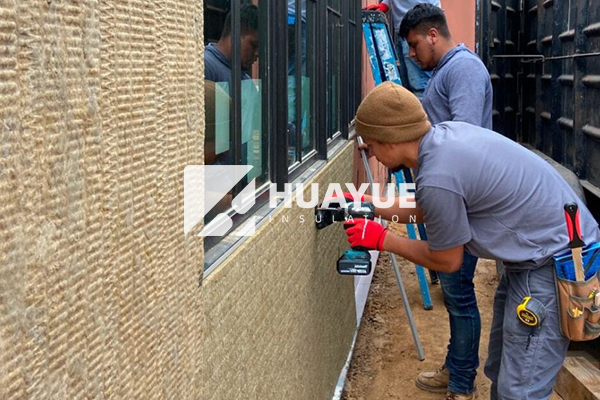
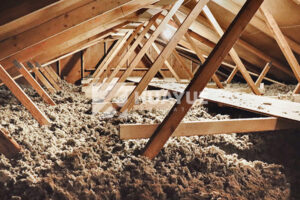
The ATSDR overview of synthetic vitreous fibers states that short-term exposure can cause reversible skin, eye, and lung irritation. It also explains that installing, removing, maintaining, or disturbing insulation can suspend fibers in air. This is why an intact product inside an approved, enclosed assembly should not be discussed as though it creates the same exposure as sawing, damaged exposed insulation, or demolition.
Cancer classification needs exact wording. ATSDR reports that IARC determined insulation glass wool, stone wool, slag wool, and continuous filament glass are not classifiable as to carcinogenicity to humans. “Not classifiable” does not mean “proven to present zero risk,” and it does not apply automatically to refractory ceramic fibers, unknown historic materials, or every component in an installed system.
Asbestos is a separate question. HUAYUE confirms that asbestos is not used in any HUAYUE rock wool product. SGS Report No. SHIN2508001236CM01_EN provides supporting sample evidence: six regulated asbestos types were negative in the tested 50 mm, 80 kg/m³ HUAYUE rock wool sample. The report proves the result for that sample; the full-range statement comes from HUAYUE’s confirmed manufacturing policy, not from extending one sample report to every product.
Longer-term risk cannot be assessed from a material name alone. ATSDR notes that effects depend on dose, duration, exposure route, individual factors, and other chemicals present. Repeated dusty occupational work is different from occasional access near intact, enclosed insulation. Unknown older insulation also requires separate care because nearby materials, accumulated dirt, moisture, mold, coatings, or process residues can create additional hazards.
How to Use Rock Wool Insulation Safely
Safe use starts with controlling disturbance and dust before selecting personal protective equipment.
Identify the exact product and task, use lower-dust methods, isolate and ventilate the work area, prevent skin and eye contact, follow the current SDS, and clean up with an approved dust-control method. PPE selection must match the exposure assessment and local requirements.
Use this sequence for installation, maintenance, or removal planning:
- Confirm the product and work scope. Record the product name, form, facing, binder or coating, intended application, and whether the task involves trimming, overhead work, power tools, repair, or demolition.
- Review current documents. Use the product SDS, installation instructions, project drawings, and applicable workplace rules. A generic online recommendation cannot determine the correct respirator or other PPE for every task.
- Prepare the work zone. Restrict unnecessary access, protect occupied areas, arrange suitable ventilation or extraction, and provide a stable cutting surface and waste collection.
- Reduce fiber and dust release. Handle packs carefully and use the tools and methods specified for the product. Avoid work practices that redistribute settled dust unless an approved procedure permits them.
- Prevent contact and inhalation. Use covered clothing, gloves, eye protection, and any respiratory controls selected through the product instructions and task assessment.
- Clean and close the task correctly. Collect offcuts, use the approved cleanup method, manage work clothing, and dispose of waste according to the project and local requirements.
This safety sequence does not replace an application-specific installation method. The separate rock wool installation guide covers product checks, cutting, fitting, support, control layers, and inspection before the assembly is closed.
Everyday installed use usually involves a different exposure condition from active cutting. Avoid unnecessary disturbance in walls, attics, ceilings, equipment, or acoustic assemblies. Repair damaged enclosure or cladding and investigate unexpected debris or fiber movement before normal access resumes. Exposed acoustic applications should be reviewed as complete designed assemblies; a fabric cover alone should not be assumed to prove containment, indoor-air performance, or fire performance.
Removal requires a new assessment rather than simply reversing the installation steps. Do not identify unknown historic insulation by color or appearance. Use building records, a competent survey, and testing when the age, condition, or surrounding materials create uncertainty.
What Rock Wool Safety Evidence Should Buyers Verify?
Procurement approval should connect the exact supplied product with its current safety documents, work controls, intended assembly, and destination requirements.
HUAYUE confirms its rock wool range is asbestos-free and can supply customized options for VOC or formaldehyde requirements. Emissions performance and hazard classification still need to be checked against the offered product, current report or SDS, ordered construction, test method, and destination rules.
Use this decision table before approving the product or work plan:
| Decision point | What to confirm | Evidence or control |
|---|---|---|
| Product identity | What exactly will be supplied? | Manufacturer, product name, form, facing, binder or coating, label, intended use, and current SDS |
| Active handling | How will fibers and dust be controlled? | Installation instructions, task assessment, cutting method, restricted work area, ventilation or extraction, PPE, and cleanup plan |
| Installed condition | Can the insulation be disturbed during service? | Enclosure or cladding details, air paths, access controls, inspection, repair, and maintenance procedure |
| Emissions requirement | Does the project specify VOC or formaldehyde criteria? | Named product and construction, test method, result, acceptance limit, destination standard, and matching report |
| Renovation or removal | Is the existing material known and uncontaminated? | Building records, survey, testing where required, isolation plan, waste classification, and disposal route |
Available HUAYUE evidence shows why emissions statements must remain product-specific. In SGS Report No. CANIN25081011701_EN, TVOC and formaldehyde were reported as not detected for a tested rock wool board sample under the stated ISO 16000 chamber conditions. “Not detected” means below the applicable method detection limit; it should not be rewritten as an absolute zero claim.
A separate 50 mm HUAYUE rock wool sample recorded formaldehyde emission of 0.06 mg/(kg·h) under GB/T 32379-2015. The two reports concern different samples, units, and methods, so their results should not be combined into one universal value. For a VOC- or formaldehyde-related order, specify the product form, binder or facing requirement, destination country, applicable standard, and acceptance limit, then request the matching current report.
Rock wool is generally not assigned a hazardous classification under the applicable product-classification frameworks when the relevant criteria are met. HUAYUE confirms that its current rock wool range is supplied on this basis, and its SDS for the listed HYRW product families records no hazardous classification under the cited OSHA HCS/GHS framework. This does not remove the need for irritation controls, PPE, safe work practices, or jurisdiction-specific review.
The current SDS remains the controlling product document. Check the revision, product identity, language, jurisdiction, and whether it covers the supplied binder, facing, coating, adhesive, jacket, or accessory. The ILO code of practice for insulation wools reinforces that safe use depends on product components, real work conditions, information, training, and controls working together.
For sourcing, first identify the required form through the rock wool insulation category. A useful inquiry includes the application, product form, dimensions, facing, quantity, country, expected work conditions, emissions criteria, and required documents.
Conclusion
Rock wool can be used safely when exposure is controlled; avoid unnecessary contact, manage dust, and match the supplied product to current safety and test documents.