





What is the ideal thickness of mineral wool insulation for different applications?
Mineral wool insulation thickness can make or break your building’s energy efficiency and durability. Choosing the right thickness is the key to saving costs and maximizing lifespan.
The recommended thickness of mineral wool insulation depends on the application, climate, and project requirements. For exterior walls, roof systems, and industrial tanks, thickness ranges from 40mm to 150mm, while custom solutions can be made for special needs.
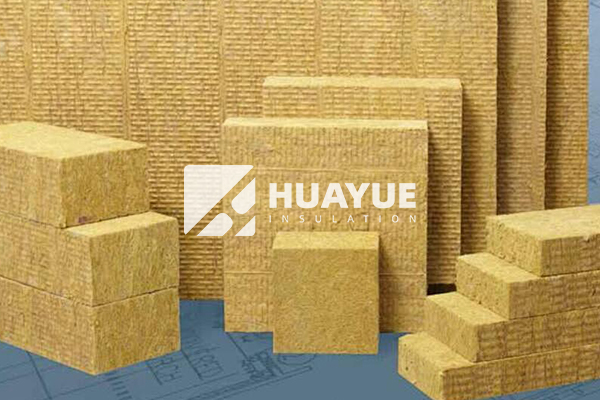
Understanding the right thickness means avoiding safety risks, thermal bridging, or underperforming insulation. Many projects go wrong by underestimating or overcomplicating this decision. In my years managing insulation solutions, I have learned that simple rules and direct answers work best. Let’s dive straight into the key considerations for mineral wool insulation thickness and how to get the most out of every panel, roll, and pipe.
What is mineral wool insulation and why you should use it?
Mineral wool insulation’s thickness shapes everything from safety to comfort. If you get it wrong, buildings can lose heat, or even become less safe.
Mineral wool insulation is made from natural rock and minerals. It provides superior fire resistance, high thermal insulation values, and excellent soundproofing. Its non-absorbent properties prevent mold and corrosion, which is critical in both residential and industrial settings.
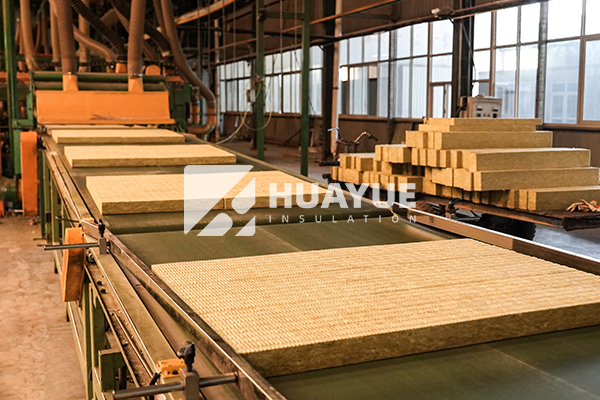
Mineral wool insulation comes in panels, rolls, and pipes. Thickness plays a big role in its thermal and acoustic performance. When I first started specifying insulation, I chose mineral wool because it resists fire and water better than many synthetic options. For critical installations like Hans Müller’s chemical tanks, the main advantage is long-term stability and low maintenance in tough environments.
Mineral wool is also easier to install than many alternatives. It does not shrink or sag over time. This stability makes it a reliable solution for long-term projects. It supports tight energy standards and improves building safety. Whether you are working on a new construction or upgrading an existing plant, mineral wool fits most needs. The correct thickness depends on the climate, exterior exposure, and project design.
Key Properties of Mineral Wool Insulation
| Property | Description |
|---|---|
| Fire Resistance | Up to 1000℃, perfect for safety-critical sites |
| Water Repellency | Non-absorbent, prevents corrosion and mold |
| Acoustic Insulation | Reduces noise transfer between rooms or sites |
| Thermal Insulation | R-values from low to high depending on thickness |
| Durability | Remains stable, does not sag or shrink |
Maximum thickness of mineral wool exterior insulation?
Exceeding the recommended thickness can drive up costs, waste material, or make installation harder. Many customers ask how thick is too thick.
Most mineral wool exterior insulation products have maximum recommended thickness between 100mm and 150mm for standard wall applications. Special orders can reach up to 200mm or more, but only in specific cases and with enough volume.
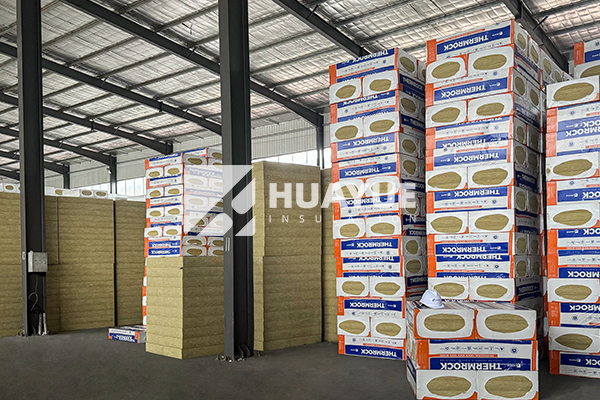
The optimal thickness depends on climate, building use, and local energy codes. When I design insulation packages for northern Europe sites, I often go for 120mm to 150mm. This performs well in cold winters and keeps buildings efficient over years.
Exterior applications benefit from thick insulation, but going beyond the recommended maximum thickness may not add much extra value. The structure must support the added weight, and install teams must follow manufacturer guides to prevent air gaps or compression. It is safer to use thicker insulation if you need higher R-values, but only when the structure and specification allow. For special projects, manufacturers like HUAYUE can produce boards up to 200mm or custom widths if ordered in large quantities.
Table: Typical Exterior Insulation Thickness
| Application | Standard Thickness (mm) | Special Thickness (mm) |
|---|---|---|
| Residential Walls | 40 – 100 | Up to 150 |
| Industrial Walls | 80 – 150 | Up to 200 (by order) |
| Roofs | 60 – 150 | Up to 200 (rarely) |
| Custom Orders | 150+ | Requires volume orders |
THE THICKNESS OF ROCK WOOL INSULATION
If you pick the wrong thickness for rock wool, you might see higher energy bills, condensation, or even fail inspection. Picking the correct thickness is everything.
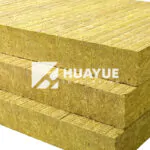
Rock wool insulation, also known as mineral wool, is typically manufactured in thicknesses ranging from 40mm to 150mm for boards and panels. Tube insulation is often between 50mm and 300mm in tube wall thickness, with roll mat thickness from 50mm to 150mm.
Thickness determines the thermal resistance and fire protection level. In my experience, thinner mats (40mm – 50mm) work for interior partitions but do not meet exterior wall standards in colder regions. Industrial tanks or roof systems need up to 100mm or more for long-term energy savings.
Manufacturers like HUAYUE provide custom sizes, but only for bulk orders. Some projects require non-standard thicknesses such as 30mm, or custom widths like 0.3m, 0.4m, or 0.5m. These custom sizes, while available, must meet minimum order volumes for production efficiency.
Typical Rock Wool Insulation Sizes
| Product Type | Standard Thickness (mm) | Standard Sizes (mm) | Custom Thickness (mm) |
|---|---|---|---|
| Board | 40 – 150 | 1200 × 600, 1200 × 1200 | 30 (min), up to 200+ on order |
| Roll Mat | 50 – 150 | 600 width × variable length | 30 (min), up to 150 |
| Pipe Insulation | 50 – 300 (wall thickness) | Adjustable inner diameter | Custom by order |
Mineral wool insulation sizes are used for roof
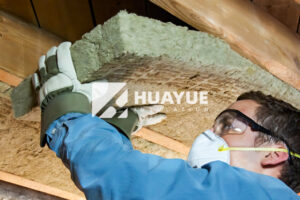
Roof insulation must balance load, tightness, and insulation efficiency. Too thin, and energy leaks. Too thick, and the roof can fail to support the weight.
For roofing, mineral wool insulation is commonly supplied in thicknesses of 60mm to 150mm, with roll mats up to 100mm thick. Board widths are typically 1.2m × 0.6m, 1.2m × 1.2m, or 2.4m × 1.2m. For industrial or flat roofs, custom thicknesses up to 200mm are available for large projects.
In my work with German chemical sites, we prefer thicker roof insulation for energy savings and durability. Proper installation with the correct thickness improves waterproofing, fire resistance, and structural soundness. Custom sizing helps for unique roof shapes or load requirements, but is only available if the project meets minimum order requirements.
Roof Mineral Wool Insulation Specification
| Product Type | Thickness Range (mm) | Panel Size (mm) | Roll Mat Thickness (mm) |
|---|---|---|---|
| Board | 60 – 150 | 1200 × 600; 1200 × 1200 | 50 – 100 |
| Roll Mat | 50 – 100 | 600 (width) × variable | 50 – 100 |
| Custom Orders | Up to 200 | Upon request | Upon request |
Conclusion
Mineral wool insulation thickness impacts every aspect of building performance, safety, and cost. Always choose thickness based on application and consult trusted suppliers for custom solutions.
"
You may also be interested in:
Ready to Get Started?
Get in touch with our experts for personalized solutions tailored to your needs.
Get Free QuoteLatest Articles



Let's Work Together
Ready to take your business to the next level? Get in touch with our team of experts and let's discuss how we can help you achieve your goals.
Get Free Solutions