





What is a mineral wool blanket and why should you consider it for your insulation needs?
Homeowners and facility managers need reliable solutions for insulation, but not every material brings peace of mind. Let’s see if mineral wool blanket is the answer.
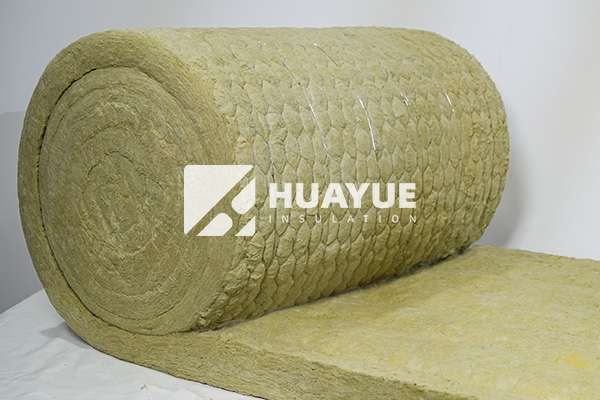
Mineral wool blanket is made from molten minerals spun into fibrous mats. People use it to insulate walls, roofs, tanks, and pipes because it blocks heat, dampens sound, and resists fire.
I have seen building owners ask about the real-life performance of mineral wool. They want to know about durability, cost, and long-term problems. Understanding the blanket’s strengths and weaknesses helps make informed choices for safe, reliable insulation.
What are the disadvantages of mineral wool?
Many of us focus on the benefits mineral wool brings—fire safety and thermal performance. Rarely do we pause to consider its drawbacks until trouble appears.
The main disadvantages of mineral wool include its brittleness, irritation during handling, dust generation, and susceptibility to moisture if left unprotected.
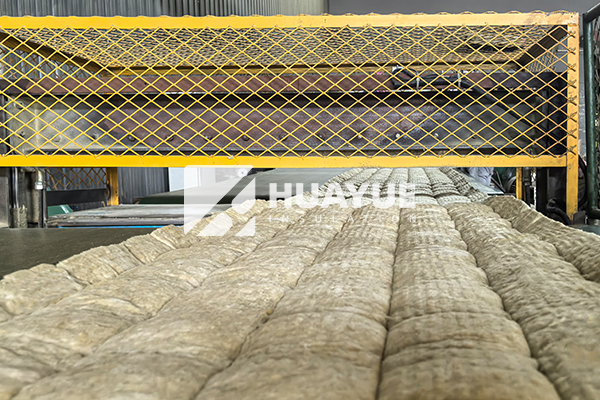
I remember working with a project team where several installers complained about skin itchiness and respiratory discomfort after using mineral wool. The fibers break easily, releasing fine dust that can cause irritation. Workers must wear gloves, long sleeves, and masks. The blanket can also be difficult to cut neatly, which leads to rough edges and wasted material. Mineral wool is not very strong and compresses if stepped on—if you need insulation that handles weight, mineral wool might not be the best choice.
Moisture is another big issue. Mineral wool absorbs water if not properly protected. It can lose thermal efficiency and get heavy. Wet mineral wool takes a long time to dry and may cause corrosion on steel tanks or pipes under the insulation if not fully sealed. During handling and installation, keeping mineral wool dry is key. Proper vapor barriers and finishes must be used to keep out moisture and stop rust or mold problems.
Here is a table showing the main disadvantages of mineral wool blankets:
| Disadvantage | Impact | Solution |
|---|---|---|
| Irritating Fibers | Skin and breathing discomfort | Use protective equipment |
| Brittle Structure | Fragile, compresses under load | Gentle handling |
| Dust Generation | Messy during installation | Clean-up required |
| Moisture Sensitivity | Loss of insulation, risk of corrosion | Use vapor barriers |
What is a mineral wool blanket?
Not everyone is familiar with mineral wool blankets, yet they play a big part in many construction and industrial projects. Here’s what you need to know.
A mineral wool blanket is a flexible sheet made from fibers spun out of molten rock or slag. It is fire-resistant and blocks heat and sound.
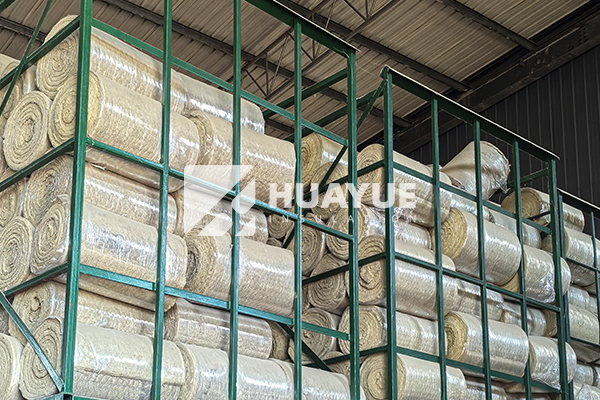
From my experience working in large-scale manufacturing, the difference between mineral wool blanket and other insulation products lies in its versatile form. The blanket comes in rolls or large flat pieces, so it wraps easily around tanks, pipes, and walls. The texture is soft but the fibers can poke into skin, so handling it requires care.
Mineral wool blankets usually serve where fire safety is most important. Chemical plants and commercial buildings use these blankets around hot pipes and vessels, because the material does not ignite or support flames. The fibers stop heat transfer and keep equipment safe. Operators and engineers select material thicknesses based on the temperature range and soundproofing needs. Most blankets need an exterior finish or jacket for weather and mechanical protection.
Besides fire safety and insulation, mineral wool blankets block noise. I often see engineers use them in mechanical rooms or pump houses to keep equipment noise from escaping. Compared to harder insulation boards, mineral wool blankets fit odd shapes and long runs, giving plenty of flexibility—and making installation faster for complex jobs.
Here’s a quick comparison table for clarity:
| Feature | Mineral Wool Blanket | Other Insulation Types |
|---|---|---|
| Fire Resistance | Very high | Varies |
| Thermal Insulation | Good | Good to excellent |
| Soundproofing | Good | Depends on type |
| Flexibility | High (easily wrapped) | Medium to low |
| Weight Tolerance | Low (compresses easily) | Medium to high |
| Handling Comfort | Moderate (protect skin) | Varies |
What happens if mineral wool gets wet?
Sometimes accidents happen on job sites or factories—pipes burst or insulation is exposed to rain. What does water do to mineral wool?
If mineral wool gets wet, its insulation performance drops and it becomes heavy. Wet mineral wool can also lead to corrosion or mold on adjacent surfaces.
I remember a case in our plant where a valve leak soaked part of our pipe insulation. The mineral wool blanket swelled with water and felt much heavier. Its ability to stop heat flow dropped sharply, since water conducts heat better than air pockets. We had to replace that section to restore performance.
Besides losing thermal value, wet mineral wool tends to sag. The extra weight pulls it down. If the mineral wool is next to steel or other metals, water trapped in the fibers can promote corrosion under insulation (CUI). This corrosion happens quietly—out of sight—and weakens vessels or pipes over time. Quick action is required. The wet section must be removed, the surface must be dried and rust treated, and then new insulation installed. This is why mineral wool applications in industry often specify water-tight jacketing or vapor barriers.
Here’s a list showing how wet mineral wool causes problems:
| Problem | Consequence | Action to Take |
|---|---|---|
| Loss of insulation value | Higher energy bills | Replace damaged area |
| Extra weight | Mechanical strain, sagging | Dry/replace blanket |
| Corrosion under blanket | Metal damage, safety issues | Inspect, repair |
| Possible mold | Indoor air risk | Dehumidify, replace |
Is mineral wool as bad as asbestos?
For many decision-makers, health concerns matter most. Asbestos insulation is banned due to health risks, so is mineral wool equally hazardous?
Mineral wool is much safer than asbestos. It does not contain cancer-causing fibers and is approved for use in most countries.
In the past, people worried about inhaling rock wool fibers. Research shows that mineral wool does not have the harmful effects associated with asbestos. Asbestos fibers are needle-like, lodge in lungs, and can cause cancer and lung disease. Mineral wool fibers are larger and do not penetrate deep into tissue. Modern mineral wool products are tested to meet safety standards. Regulations guide the handling and use—workers should wear dust masks when installing, but the danger is not close to asbestos.
I have seen mineral wool used in hospitals, schools, and chemical plants—all with strict health standards. Building codes and material safety sheets confirm that mineral wool is not classified as a carcinogen. Proper installation prevents dust and skin irritation, and after the product is finished and sealed, risks are minimal.
Comparison Table:
| Attribute | Asbestos | Mineral Wool |
|---|---|---|
| Cancer Risk | High | Low |
| Regulatory Status | Banned or restricted | Widely approved |
| Fiber Size | Tiny, needle-like | Larger, less penetrating |
| Required Protection | Full respiratory gear | Dust mask/gloves |
| Post-installation Risk | Ongoing | Minimal after sealing |
Can mold grow on mineral wool insulation?
High humidity can turn insulation into a breeding ground for mold. Is mineral wool at risk?
Under most conditions, mineral wool does not support mold growth because it is not organic and does not hold water long unless saturated.
Mineral wool is made from rock or slag and has no sugars or organic binder that mold feeds on. In my experience, mold only appears on mineral wool when the material stays wet for a long time. If water seeps through and blankets stay soaked in dark environments, surface mold or mildew can take hold. But in normal use—especially with a vapor barrier—mineral wool stays clean.
If you have a wet insulation problem, you must fix the moisture source first. Then replace the affected blanket and check for leaks in vapor barriers or roof structures. Keeping the area dry and ventilated stops mold before it starts. Most manufacturers add mold inhibitors to further protect the product.
Summary Table:
| Condition | Mold Growth on Mineral Wool? | Prevention Measures |
|---|---|---|
| Dry/Sealed | No | Use vapor barriers, jackets |
| Occasional moisture | Unlikely | Inspect, repair leaks |
| Persistent wetness | Possible surface mold | Dehumidify, replace material |
Conclusion
Mineral wool blanket brings strong fire resistance and reliable insulation, but you must know its limits and proper handling for best long-term results.
You may also be interested in:

Ready to Get Started?
Get in touch with our experts for personalized solutions tailored to your needs.
Get Free QuoteLatest Articles


Should B2B Buyers Choose Mineral Wool Insulation?
Mar 31, 2026
Is Rock Wool a Good Choice for Acoustic Insulation?
Mar 30, 2026
Rockwool Insulation for Roof: Best Practices (2026)
Mar 27, 2026
Let's Work Together
Ready to take your business to the next level? Get in touch with our team of experts and let's discuss how we can help you achieve your goals.
Get Free Solutions