








What are the Real R-Values of Fiberglass Batt Insulation?
Many building owners struggle to pick the best insulation. You want comfort, energy savings, and long-term reliability. The R-value is the key, but there is much confusion around it.
The R-value of fiberglass batt insulation typically falls between R2.2 and R4.3 per inch, depending on density and installation quality. This means a 3.5-inch batt can provide R11 to R15, meeting most residential needs.
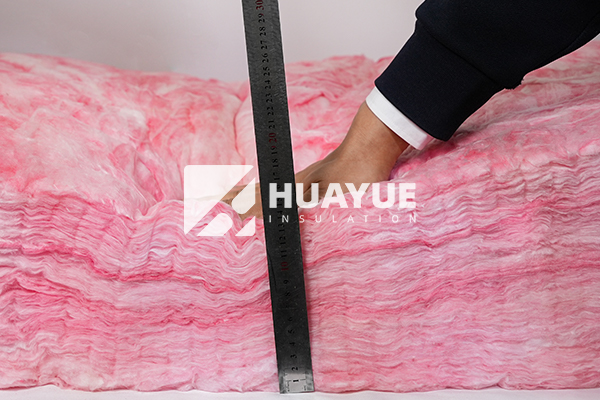
Understanding R-value gives you control over your comfort and your energy bills. Below, I will explain how to match R-values to your needs, clear up common myths, and help you avoid insulation mistakes that waste money.
What is the R-value of fiberglass batt insulation?
Many people worry about whether fiberglass batts will really keep their space warm or cool. You do not want to buy insulation twice because you picked the wrong R-value.
The typical R-value of fiberglass batt insulation is R2.2 to R4.3 per inch of thickness. It depends on loft, density, and how well you install the batts.
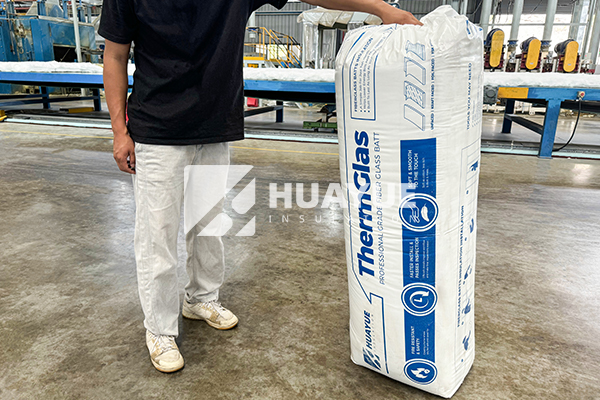
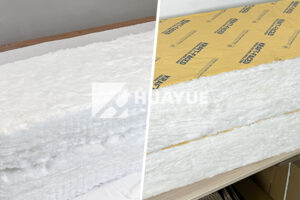
R-value measures how well insulation resists heat flow. Higher numbers block more heat. Fiberglass batts come in standard widths and thicknesses. For example, a 3.5-inch thick batt usually gives R11 to R15, useful for walls and ceilings in most homes and light commercial buildings. If you want to upgrade, some high-density batts reach R15 at the same thickness or R19 at 6 inches. How well the insulation performs depends on correct fit, no gaps, and no compressing. If you squeeze a batt into a smaller space, its R-value drops. The right fit also blocks drafts. Many owners forget that R-values count only when the installation is perfect. Below, you can check the typical R-values for each thickness:
| Thickness (inches) | Standard R-value | High-density R-value |
|---|---|---|
| 3.5 | R11 – R15 | up to R15 |
| 6 | R19 | up to R23 |
| 9.5 | R30 |
You want to match the R-value to your local climate zone. Colder zones need higher numbers. Warmer climates can use less. Insulation must fit fully in framing cavities for best results.
Is R5 or R10 better insulation?
You worry your space will never be warm enough in winter or cool enough in summer. Picking too low of an R-value wastes energy. Picking too high feels like overkill.
R10 is better than R5. The higher the R-value, the more insulation you get. Doubling R-value halves heat flow, increasing savings and comfort.
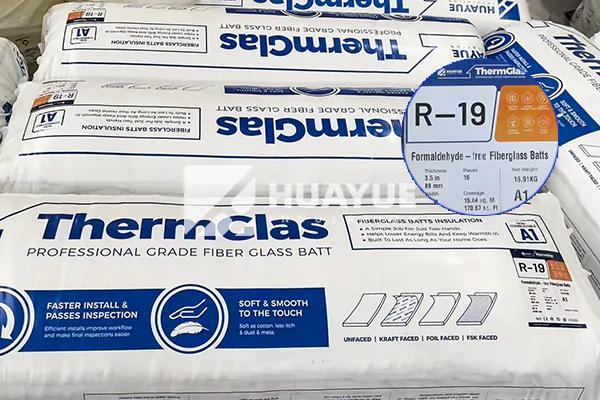
R-values stack. You can layer materials or use thicker batts. An R10 batt gives twice the resistance of R5. This means less heat gets in or out. Buildings in very cold or hot areas need higher R-values. Local codes often set a minimum. I learned early on that the best performance comes from R-values above the minimum—your bills drop, and your comfort goes up. If you choose only the bare minimum, you may regret it during weather extremes.
Think of insulation as a thick blanket. A thin blanket (R5) cannot stop as much cold as a thick one (R10). If you want long-term value, choose the largest R-value your space and budget allow. Here is a common chart:
| R-value | Typical Use | Result |
|---|---|---|
| R5 | Mild climates, small spaces | Least energy savings |
| R10 | Walls or mild climate floors | Moderate savings |
| R15+ | Exterior walls, cold climates | Best comfort and savings |
Remember R10 will always outperform R5 in keeping interiors comfortable and lowering costs.
Is an R-value of 2.5 good?
If you find a product rated R2.5, you may wonder if it is enough for your building. Many people want the cheapest, thinnest product, but worry it will not insulate well.
An R-value of 2.5 is quite low for most applications. It is only suitable for very mild climates or minor retrofit jobs where space is limited.
Some insulation is very thin—like foam board or certain soundproofing batts—which might only give R2.5 thickness. This does not do much against winter cold or summer heat. In my experience, using R2.5 in walls or ceilings is not effective. You lose more energy, and your heating or cooling system works harder. Local building codes rarely allow such a low value for any main structure. Minimum code for walls in many U.S. cities is R13 to R15. Only use R2.5 when you have no other choice, such as in garage doors, duct wrap, or very limited spaces.
If you are ever in doubt, go with a higher R-value. The difference in price is often small compared to the improved comfort and energy savings. Below is a basic guide:
| Application | Typical Minimum R-value | Is R2.5 sufficient? |
|---|---|---|
| Exterior walls | R13 – R21 | No |
| Ceilings/attics | R38+ | No |
| Ductwork | R4 – R8 | Sometimes |
| Interior partitions | R2.5 + (for sound only) | Yes (sound only) |
What is the R-value of 1 in fiberglass insulation?
Some projects only have room for the thinnest layer. People ask if even a little insulation, like R1, makes any impact. Some want to stack thin layers or use insulation very creatively.
The R-value of 1 in fiberglass insulation is extremely minimal. It stops only a small fraction of heat compared to standard batts.
Most standard residential wall insulation starts at R11. An R1 product is almost like a very thin blanket. It is sometimes used for tiny applications, like over pipes, or as a thermal break in very specific situations. It is not enough to impact energy efficiency in walls, floors, roofs, or large tanks. If you install only R1 in a tank or building, heat or cold will pass through almost as if there is no insulation at all. Do not expect comfort or energy savings with such a low R-value.
Here is a look at the effectiveness of R1:
| R-value | Application | Expected Benefit |
|---|---|---|
| R1 | Pipe wrap, small thermal break | Very little temperature hold |
| R11+ | Walls, residential insulation | Good energy efficiency, comfort |
| R30+ | Ceilings, roofs | Maximum protection and cost savings |
It always pays to use the highest R-value you can fit into your space and budget.
Conclusion
Fiberglass batt insulation works best at thicknesses giving R-values of R11 or more. Low R-values like R2.5 or R1 provide little value in most projects.
You may also be interested in:

Ready to Get Started?
Get in touch with our experts for personalized solutions tailored to your needs.
Get Free QuoteLatest Articles
What is R19 Kraft Fiberglass Insulation Batt?
Mar 20, 2026

What is High Density Mineral Wool?
Mar 20, 2026

Is Glass Wool the Best Choice for Sound Insulation?
Mar 19, 2026
Let's Work Together
Ready to take your business to the next level? Get in touch with our team of experts and let's discuss how we can help you achieve your goals.
Get Free Solutions