








What Are the Key Specifications of Rock Wool Insulation?
What Are the Key Specifications of Rock Wool Insulation?
Rock wool insulation is trusted for energy efficiency, but figuring out all the different specifications can be confusing if you’re planning a project.
Rock wool insulation is a non-combustible, mineral-based product commonly used in commercial and industrial buildings. Standard specifications cover density, thickness, and R-value, all of which affect thermal performance and use.
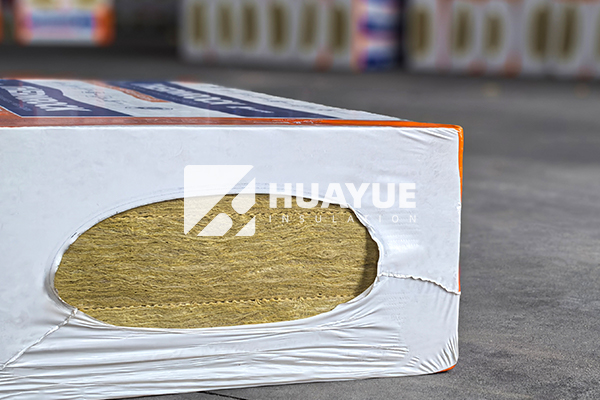
When I first evaluated rock wool for a project, I noticed the range of choices. Density and size options seemed endless, but picking the right specification is key for performance. Below, I’ll break down the main types and their industry standards so you have a clearer idea before making a decision.
What type of insulation is ROCK WOOL?
Rock wool insulation is made from natural stone and minerals. It’s manufactured by melting basalt or slag and spinning the fibers. The result is a rigid or flexible product used for thermal and acoustic control.
Rock wool is a mineral fiber insulation that provides excellent fire resistance, sound absorption, and thermal protection. It’s suitable for walls, roofs, pipes, and mechanical insulation applications.
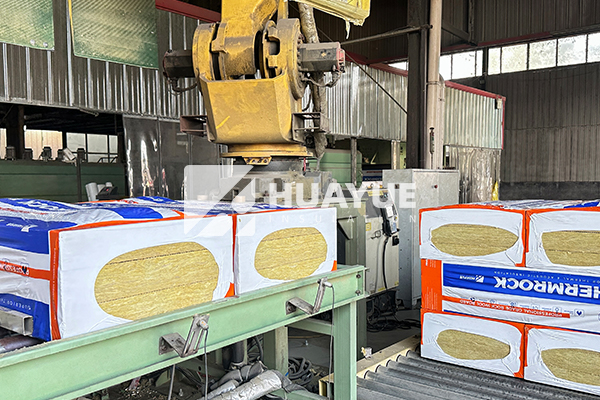
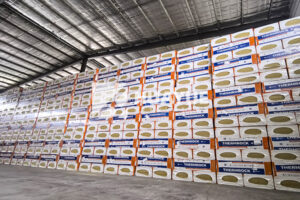
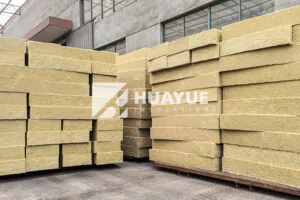
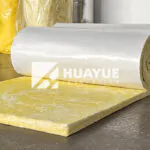
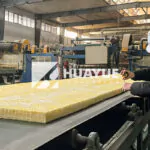
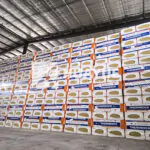
Rock wool comes in different forms. You can find rock wool boards, pipe sections, and roll blankets, each with their own ideal uses. Boards are used in wall panels or roofing systems, especially if you want both sound and heat control. Pipe section insulation offers strong fire protection around industrial or HVAC pipes. Rolls are flexible and useful for large surface areas, like equipment or multi-layer wrapping.
Here’s a table summarizing common forms and their application:
| Product Form | Density Range (kg/m³) | Typical Use | Features |
|---|---|---|---|
| Boards | 60–180 | Walls, roofs | Strong, rigid, fire resistant |
| Pipe Sections | 70–120 | Pipe insulation | Good for circular surfaces, high compressive strength |
| Roll Blankets | 70–100 | Equipment, tanks, roofs | Flexible, easy to install over uneven surfaces |
All types of rock wool are non-combustible and offer consistent insulation. Knowing these basics helps you pick the product format that matches your project needs.
What is the standard thickness of ROCK WOOL insulation?
Choosing the right thickness is important. Rock wool panels come in a range of thicknesses, typically between 40–150 mm. Custom orders may allow for different dimensions, including thicker or thinner options.
Standard rock wool insulation thicknesses range from 40 to 150 mm for panels. Pipe insulation thickness varies from 5 to 30 cm, while roll blankets are usually 5 to 15 cm thick.
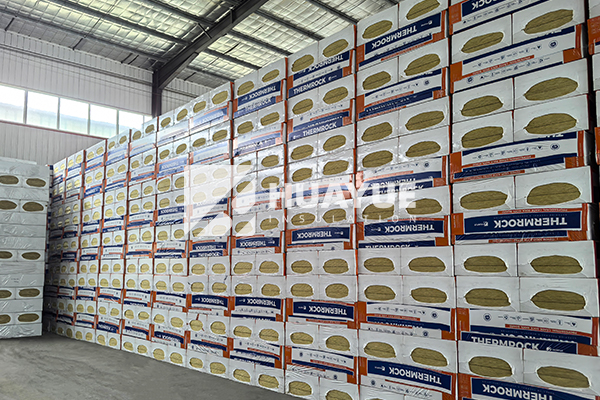
Thickness affects performance. For panels, the common sizes are 1.2 m × 0.6 m or 2.4 m × 1.2 m, with thickness options from 4 cm up to 15 cm. For pipe insulation, the wall thickness goes from 5 cm to 30 cm, with a standard length of 1 meter per section. Rolls usually feature a standard thickness of 7–10 cm, with a width of 0.6 meters and lengths from 2 to 5 meters.
Here’s a detailed overview:
| Type | Length & Width | Thickness Range | Custom Sizes Possible? |
|---|---|---|---|
| Panel | 1.2m × 0.6m, 2.4m × 1.2m | 40–150 mm | Yes (special width or thinner panels) |
| Pipe | 1m length (variable ID) | 5–30 cm | Yes (ID & wall thickness adjustable) |
| Roll | 0.6m × 3m (flexible) | 5–15 cm | Yes (length from 2–5m) |
Selecting the proper thickness ensures you achieve your project’s thermal, fire, and acoustic goals. It’s worth noting that thicker insulation increases both R-value and sound dampening properties.
What is the R-value of ROCK WOOL insulation?
If you want to know how much heat rock wool stops, you need to look at the R-value. Higher R-value means better insulation.
The R-value of rock wool insulation typically ranges from 3.7 to 4.3 per inch (25mm) thickness, depending on density and manufacturer. This makes it effective for reducing energy loss.
Rock wool’s R-value depends on its density and form. In panels and boards, the value lies between R-3.7 and R-4.3 per inch. For pipe insulation, it’s similar or slightly higher, because denser materials block more heat. Knowing this is vital, especially in cold climates or areas with strict energy codes.
Here’s a reference chart:
| Thickness (mm) | Approximate R-Value |
|---|---|
| 40 | ~6.0 |
| 50 | ~7.5 |
| 100 | ~15.0 |
| 150 | ~22.5 |
Higher thicknesses and densities give you the best thermal protection. I have seen engineers like Hans rely on the R-value when comparing different insulation materials for industrial tanks and chemical plants. Rock wool often stands out for its high R-value and fire resistance, making it a first choice for many demanding environments.
What are the disadvantages of ROCKWOOL insulation?
No product is perfect. Rock wool insulation has some downsides to consider.
Rock wool can be more expensive than other materials, may require protective clothing when installing, and has higher dust levels during handling. It also needs to be kept dry, as moisture lowers insulation performance.
First, cost is a real factor. Rock wool generally costs more upfront, making it less attractive for budget-driven jobs. Second, installation can be uncomfortable. The loose fibers easily irritate the skin and lungs, requiring special gloves and masks. Third, if exposed to water or high humidity, rock wool loses effectiveness. That’s a problem in areas with leaks or condensation.
Noise and dust during installation are also issues. Rock wool is heavier than fiberglass, so handling and supporting large panels takes effort. Sometimes extra fixings are needed, which can slow down the job or add to costs.
Here is a summary of disadvantages:
| Disadvantage | Description |
|---|---|
| Higher Cost | More expensive than fiberglass or foam |
| Itchy/Irritant | Fibers can irritate skin & lungs |
| Moisture Sensitivity | Needs to be kept dry, loses R-value when wet |
| Heavy | Panels are heavier, can be hard to handle |
| Dust During Install | Dusty during installation, PPE required |
Thinking through these points helps you plan for safer, faster, and more comfortable installation, while keeping costs manageable.
What are the advantages of ROCKWOOL insulation?
Rock wool insulation is popular for good reasons. It offers high fire resistance, doesn’t absorb water, and provides good thermal and acoustic insulation.
Rock wool resists fire, repels moisture, absorbs sound, and delivers high R-values. These properties make it ideal for industrial tanks, safety-critical areas, and buildings requiring long-term durability.
High fire resistance is a main benefit. Rock wool can withstand temperatures over 1000°C and doesn’t burn, making it top choice for industrial plants and any place with strict safety needs. Its non-absorbing structure prevents corrosion under insulation (CUI) and maintains good performance over time. It also provides strong soundproofing, which is useful in noisy factories or commercial spaces.
Long-term reliability is another advantage. Rock wool doesn’t settle or lose insulation value over decades, meaning maintenance is low and system life is extended. For tanks and pipes in chemical facilities, it delivers stable thermal control and protection, helping meet safety codes and insurance requirements.
Here’s a breakdown:
| Advantage | Description |
|---|---|
| Fire Resistant | Withstands >1000°C, won’t burn |
| Non-Absorbing | Repels water, avoids CUI |
| Sound Insulation | Dampens noise, absorbs sound |
| High R-Value | Strong thermal performance |
| Durable/Stable | Lasts decades, no settling |
| Low Maintenance | Less need for replacements |
These strengths set rock wool apart from other materials. Knowing both pros and cons helps you make an informed decision for your next project.
Conclusion
Rock wool insulation offers flexible specifications, robust thermal performance, and strong fire and sound resistance, making it a reliable choice for many building and industrial projects.
You may also be interested in:
Ready to Get Started?
Get in touch with our experts for personalized solutions tailored to your needs.
Get Free QuoteLatest Articles

Let's Work Together
Ready to take your business to the next level? Get in touch with our team of experts and let's discuss how we can help you achieve your goals.
Get Free Solutions