








Types of Rock Wool: A Comprehensive Guide to Understanding Mineral Wool Insulation
As someone who’s spent years working in the insulation industry, I’ve learned that choosing the right insulation for your project can feel overwhelming. There are so many options available, and the terminology can get confusing. Today, I want to share my knowledge about rock wool insulation—one of the most popular and effective insulation materials on the market. Whether you’re a homeowner planning a renovation, a contractor sourcing materials, or simply curious about insulation options, this guide will walk you through everything you need to know about types of rock wool and mineral wool insulation.
What Are the Four Types of Insulation?
When I first entered this industry, I was surprised to learn just how many different insulation types exist. Let me break down the four main categories that you’ll encounter most frequently.
1. Fiberglass Insulation
This is probably the most recognizable type. Fiberglass is made from extremely fine glass fibers and comes in batts, rolls, or loose-fill form. It’s affordable and widely available, but it requires careful installation since the tiny glass fibers can irritate skin and lungs. I’ve seen many DIYers struggle with proper installation, which is why professional installation is often recommended.
2. Mineral Wool Insulation
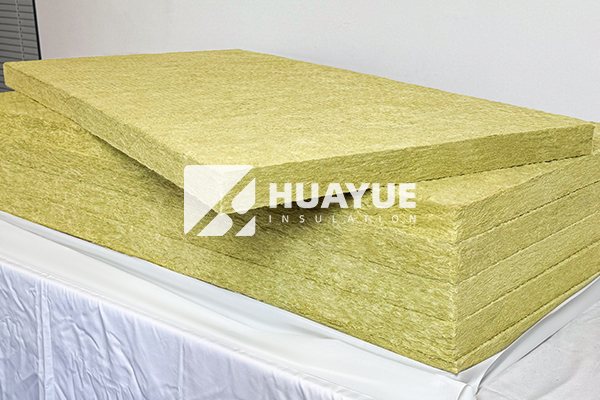
This is our main focus today. Mineral wool includes both rock wool (made from natural rock) and slag wool (made from industrial byproducts). It offers excellent fire resistance and sound-absorbing properties. In my experience, mineral wool tends to outperform fiberglass in terms of thermal performance and fire safety, though it comes at a higher price point.
3. Cellulose Insulation
Made from recycled paper products, cellulose is an eco-friendly option that treated with fire retardants. It can be blown into walls and attics, making it great for retrofitting older homes. I’ve used cellulose in many restoration projects where access is limited.
4. Spray Foam Insulation
This expanding foam creates an air-tight seal and offers superior thermal performance. However, it requires professional installation and can be expensive. I’ve found it particularly useful in hard-to-reach areas where traditional batts won’t fit.
Each type has its place, and the right choice depends on your specific needs, budget, and the area you’re insulating.
Can Rock Wool Be Blown-In?
This is a question I get asked frequently, and the answer might surprise you. Traditional rock wool in its standard form—those rigid boards or flexible batts you see in stores—cannot be blown-in. However, there’s more to the story.
Rock wool is primarily manufactured as loose-fill material that can be blown into cavities using specialized equipment. This is different from the rigid panels you might be thinking of. The loose-fill version is specifically designed for blown-in applications, and it’s actually one of the best performers in this category.
Here’s what makes blown-in rock wool special: the loose fibers create a dense, seamless layer that fills every nook and cranny. Unlike batts, which can leave gaps at seams or around irregular framing, blown-in rock wool conforms to any space. I’ve inspected countless installations over the years, and the thermal performance of properly blown rock wool is impressive.
The process requires specialized equipment—typically a blowing machine that agitates and fluffs the material while blowing it into the cavity at high pressure. The density achieved is crucial; too loose and you won’t get the R-value you need, too dense and you risk compression over time.
One thing to note: not all rock wool products are suitable for blowing. Make sure you’re using specifically designed loose-fill rock wool for these applications. The standard rigid boards and faced batts are meant for other installation methods.
In my professional opinion, blown-in rock wool is an excellent choice for attic insulation, wall cavities, and floors where you want maximum coverage without thermal bridging.
What Are the Different Types of Mineral Wool Insulation?
Let me walk you through the various types of mineral wool insulation available in the market. Understanding these differences will help you make an informed decision for your project.
1. Rock Wool (Stone Wool)
Made from natural basalt rock and other minerals, rock wool is melted at high temperatures and spun into fine fibers. This is what most people mean when they talk about mineral wool insulation. It offers excellent fire resistance (can withstand temperatures over 1000°C), outstanding acoustic properties, and remains stable over time. I’ve specified rock wool for countless commercial and residential projects where fire safety is paramount.
2. Slag Wool
Produced from blast furnace slag (a byproduct of steel production), slag wool is similar to rock wool but generally has slightly different properties. It’s often more affordable since it uses industrial waste materials. In my experience, the performance difference is minimal for most residential applications, but rock wool tends to have better long-term durability.
3. Glass Wool (Fiberglass)
While technically a type of mineral wool (made from glass minerals), fiberglass is usually categorized separately. It’s lighter and more affordable but doesn’t match the fire resistance or acoustic performance of rock and slag wool. I typically recommend it for budget-conscious projects where extreme fire protection isn’t required.
Within these categories, you’ll find various product forms:
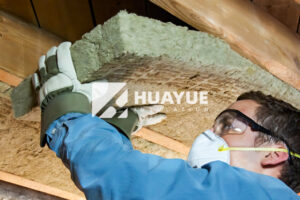
- Batts and Rolls: Pre-cut panels that fit between studs and joists. Easy to install for standard spacing.
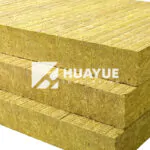
- Rigid Boards: Dense panels used for exterior walls, foundations, and areas requiring structural support.
- Loose Fill: Small fibers that can be blown or poured into cavities.
- Acoustic Panels: Denser products specifically designed for soundproofing.
The choice depends on your application. For exterior walls, I usually recommend rigid boards. For attics, loose-fill blown-in works beautifully. For interior walls where sound control matters, acoustic-grade batts are the way to go.
What’s the Difference in Rockwool Insulation Types?
Now let’s dive deeper into the specific Rockwool brand products, since they’re the industry leader. I’ve worked with their entire range, and understanding these distinctions will help you choose the right product.
1. Rockwool Comfortbatt
This is the most common residential product—flexible batts designed for walls, floors, and ceilings. What sets Comfortbatt apart is its unique flexible edge that compresses slightly for easier installation while springing back to fill the cavity completely. I’ve installed miles of this product, and it consistently provides excellent thermal performance with minimal gaps.
2. Rockwool Safe’n’Sound
Specifically designed for acoustic applications, this product has higher density than standard batts. If you’re looking to reduce noise between rooms or from outside, this is my go-to recommendation. I’ve used it extensively in home theaters, recording studios, and multifamily housing where sound separation is critical.
3. Rockwool Cavity Insulation
These are narrow-width batts designed specifically for cavity walls. They resist moisture and maintain their R-value even in humid conditions. In my experience, this is one of the best options for exterior wall insulation in climates with high humidity.
4. Rockwool AFB (Acoustic Fire Blanket)
A premium product combining superior acoustic performance with excellent fire resistance. It’s denser than Safe’n’Sound and is often used in commercial buildings where both fire ratings and acoustic control are required.
5. Rockwool Rigidrock and Frontrock
These are rigid board products designed for exterior applications. They’re water-resistant and provide both thermal insulation and weather protection. I’ve specified these for facade insulation systems with great success.
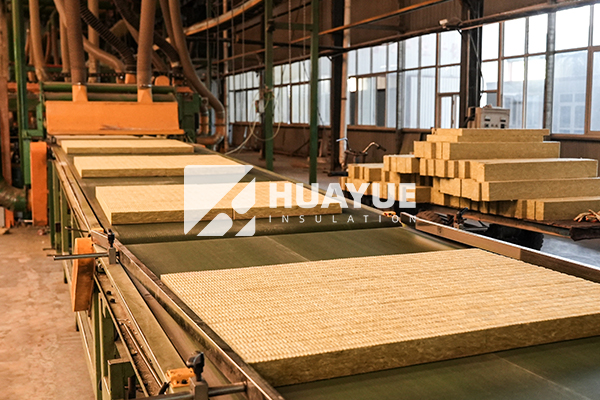
The key differences come down to density, intended application, and special features. Higher density products offer better sound control and fire resistance but cost more. For standard residential walls, Comfortbatt hits the sweet spot of performance and value. For dedicated soundproofing, Safe’n’Sound is worth the investment.
One important thing I’ve learned: not all rock wool products are created equal. Different manufacturers have different quality control standards. Rockwool as a brand has consistently delivered the performance specifications they claim, which is why I specify their products for critical applications.
Making Your Decision
After years in this industry, here’s my advice: consider your specific needs first. Are you prioritizing fire safety? Acoustic performance? Budget? Each Rockwool product line has been engineered with different priorities in mind.
For most residential projects, Comfortbatt offers the best balance. If you’re doing a home renovation and want to reduce noise between rooms, invest in Safe’n’Sound. For exterior walls, Cavity Insulation is purpose-built for the job.
Remember that proper installation matters just as much as product selection. Even the best insulation won’t perform if it’s compressed, gaps are left unfilled, or moisture barriers are installed incorrectly. When in doubt, hire a professional installer who has experience with mineral wool products.
I hope this guide has helped you understand the different types of rock wool and mineral wool insulation available. The right choice depends on your specific project requirements, but you now have the knowledge to make an informed decision. If you have questions about a specific application, feel free to reach out—I’m always happy to help fellow insulation enthusiasts!
You may also be interested in:

Ready to Get Started?
Get in touch with our experts for personalized solutions tailored to your needs.
Get Free QuoteLatest Articles



Let's Work Together
Ready to take your business to the next level? Get in touch with our team of experts and let's discuss how we can help you achieve your goals.
Get Free Solutions