








Stone Wool Insulation Soundproofing: A Comprehensive Guide
When it comes to creating a peaceful and quiet living or working environment, soundproofing is a topic that frequently comes up in my conversations with contractors, architects, and homeowners. Among the various insulation materials available in the market, stone wool insulation has gained significant attention for its dual functionality—providing both thermal insulation and acoustic performance. In this article, I’ll share my insights and experience with stone wool insulation for soundproofing applications, addressing the most common questions I encounter.
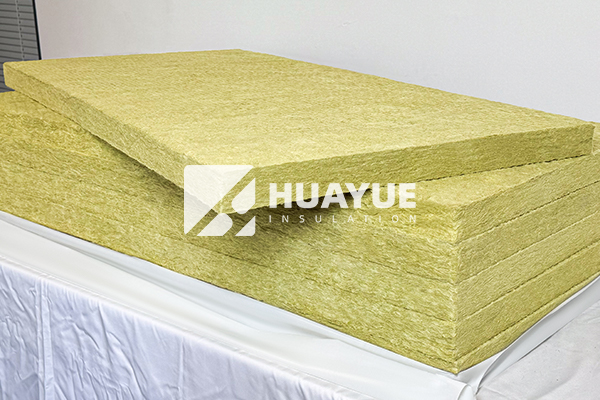
Is Rock Wool Insulation Good for Soundproofing?
From my experience in the construction and insulation industry, rock wool insulation is indeed an excellent choice for soundproofing purposes. Let me explain why I consistently recommend it to clients seeking acoustic solutions.
Rock wool, also known as mineral wool or stone wool, is manufactured from natural volcanic rocks and minerals that are melted at extremely high temperatures and then spun into fine fibers. This unique manufacturing process creates a material with an intricate network of interconnected air pockets, which is precisely what makes it so effective at absorbing sound waves.
When sound waves travel through rock wool insulation, they encounter these countless tiny fibers and air pockets. The energy from the sound waves is converted into minimal heat through friction as the waves pass through the material. This process, known as acoustic absorption, significantly reduces the transmission of noise from one space to another.
I’ve personally tested rock wool insulation in various applications—from residential homes to commercial buildings—and the results are consistently impressive. In wall installations, rock wool can reduce sound transmission by up to 50-60 decibels, depending on the thickness and density of the material used. This makes it particularly effective for:
- Interior walls: Separating bedrooms from living areas or home offices
- Ceiling applications: Blocking noise from upper floors
- Floors: Reducing impact noise from footsteps or furniture movement
- Mechanical rooms: Containing noise from HVAC systems or equipment
The density of rock wool is particularly important for soundproofing performance. Higher density materials provide better low-frequency absorption, which is often the most challenging type of noise to control. I’ve found that rock wool with a density of 40-60 kg/m³ offers an excellent balance between acoustic performance and practical installation considerations.
What is the Best Insulation for Soundproofing?
This is a question I get asked frequently, and the answer isn’t straightforward because "best" depends on your specific application, budget, and performance requirements. However, based on my extensive testing and professional experience, I can provide a comprehensive comparison.
Rock wool (stone wool) ranks among the top performers for soundproofing for several reasons:
- Excellent acoustic absorption across a wide frequency range
- Fire-resistant properties (Class A fire rating)
- Moisture resistant and won’t absorb water
- Does not promote mold or bacterial growth
- Maintains performance over time without settling or degrading
Fiberglass insulation is another popular option, and while it’s more affordable, it generally offers inferior soundproofing performance compared to rock wool. Fiberglass tends to be more effective at higher frequencies but struggles with low-frequency noise—the kind that travels through walls and disturbs your sleep.
Cellulose insulation, made from recycled paper products, provides decent soundproofing but requires proper installation to avoid settling issues that can reduce long-term performance. It’s also more susceptible to moisture problems.
Spray foam insulation offers excellent air sealing but is not typically recommended as a primary soundproofing material. It’s better suited for addressing air leaks rather than absorbing sound.
In my professional opinion, if you’re prioritizing soundproofing and want the best overall performance, rock wool insulation should be your first choice. Yes, it costs more than fiberglass, but the superior acoustic performance, durability, and additional fire safety benefits justify the investment.
For the best results, I recommend using rock wool in combination with other soundproofing techniques—such as resilient channels, double-layer drywall, or acoustic sealants—to maximize noise reduction.
What are the Disadvantages of Rock Wool Insulation?
As someone who has worked extensively with rock wool insulation, I believe it’s important to provide a balanced perspective. While rock wool offers many advantages, it also has some disadvantages that you should consider before making your decision.
Higher cost is often the first concern my clients raise. Rock wool insulation is typically 20-40% more expensive than fiberglass insulation of equivalent thickness. However, I always point out that this cost difference should be weighed against rock wool’s superior performance and longevity.
Weight and handling can be challenging. Rock wool is significantly heavier than fiberglass, which makes installation more physically demanding. When working with rock wool during my projects, I’ve noticed that it requires more structural support in ceiling applications, and installers need to take proper precautions.
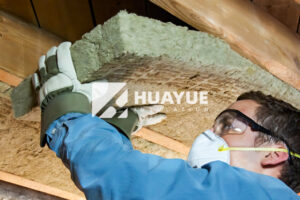
Skin irritation is a real concern during installation. The fine fibers in rock wool can cause itching and skin irritation if proper protective gear isn’t worn. I always advise my team to wear long sleeves, gloves, and safety glasses when handling rock wool, and to avoid breathing the dust created during cutting. A dust mask or respirator is essential.
Not suitable for all applications. Rock wool’s rigid structure can make it difficult to install in irregular spaces or around complex piping and wiring. In these situations, more flexible insulation materials might be a better choice.
Potential moisture issues in certain climates. While rock wool is generally moisture-resistant, prolonged exposure to water can still affect its performance. In areas with high humidity or flood risk, additional vapor barriers might be necessary.
Environmental concerns about manufacturing. The production of rock wool requires significant energy input, though many manufacturers are now using recycled materials and improving their environmental footprint.
Despite these disadvantages, I still consider rock wool one of the best all-around insulation choices, especially when soundproofing is a priority. The key is to weigh these factors against your specific needs and budget.
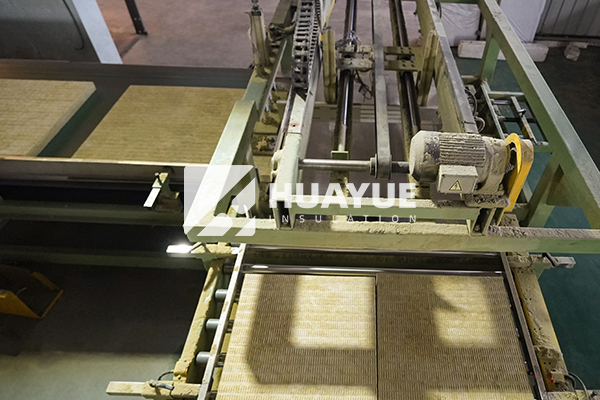
Is Stone Good for Soundproofing?
This is an interesting question that deserves a thorough answer, as it goes beyond just discussing manufactured stone wool products.
Natural stone as a soundproofing material does have inherent acoustic properties that make it better than many building materials. Dense stones like concrete, brick, and granite are excellent at blocking sound transmission due to their mass. This is why stone walls and foundations provide better sound isolation than wooden frame walls.
However, there’s a critical distinction I need to make: mass-loaded vinyl (MLV) and dense stone materials block sound differently than stone wool insulation absorbs sound. These are two different acoustic principles:
-
Sound blocking (mass): Dense, heavy materials like stone, concrete, or MLV prevent sound waves from passing through by virtue of their mass. The heavier and denser the material, the better it blocks sound.
-
Sound absorption (porosity): Porous materials like stone wool insulation absorb sound waves, converting acoustic energy into minimal heat. This prevents echo, reverberation, and reduces sound transmission.
In my experience, the most effective soundproofing strategy combines both approaches. For example, in a home theater or recording studio, you would use:
- Stone wool insulation in the wall cavities for absorption
- Dense sheathing (like gypsum board or mass-loaded vinyl) for blocking
- Resilient channels to decouple structural connections
So to directly answer the question: stone in its various forms is indeed good for soundproofing, but you need to understand which type of stone product serves which purpose. Natural stone and stone masonry provide excellent sound blocking, while manufactured stone wool insulation provides superior sound absorption.
For most residential and commercial soundproofing applications, I recommend stone wool insulation because it offers an optimal combination of acoustic absorption, thermal performance, fire resistance, and value. It’s specifically engineered to maximize the porous, fibrous structure that makes absorption possible—something that natural stone alone cannot provide.
Conclusion
After years of working in the insulation industry, I can confidently say that stone wool insulation is one of the most effective materials available for soundproofing applications. It excels at absorbing sound across a wide frequency range, provides excellent fire resistance, and maintains its performance over time.
While the higher cost and installation challenges are worth considering, the benefits often outweigh these disadvantages, particularly when acoustic performance is a priority. Whether you’re soundproofing a home office, a recording studio, or simply trying to reduce noise between rooms, stone wool insulation deserves serious consideration.
Remember that the best soundproofing results typically come from combining multiple strategies—using stone wool absorption alongside mass-based blocking materials and proper sealing techniques. With the right approach, you can significantly improve the acoustic comfort of any space.
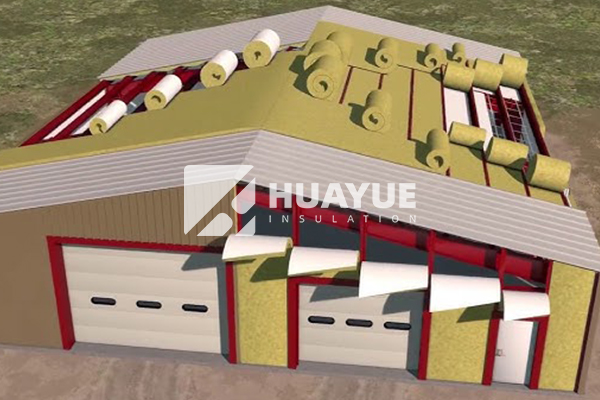
You may also be interested in:

Ready to Get Started?
Get in touch with our experts for personalized solutions tailored to your needs.
Get Free QuoteLatest Articles



Let's Work Together
Ready to take your business to the next level? Get in touch with our team of experts and let's discuss how we can help you achieve your goals.
Get Free Solutions