








Rockwool Insulation Buy: What Should You Know Before Investing?
Choosing the right insulation is complex. Many buyers worry about cost, safety, and durability. Are you facing problems sorting out which rock wool options are best?
Rockwool insulation typically costs between $1.20 and $2.50 per square foot, depending on thickness, application, and location. Bulk purchasing and direct-from-manufacturer deals can lower costs for large projects.
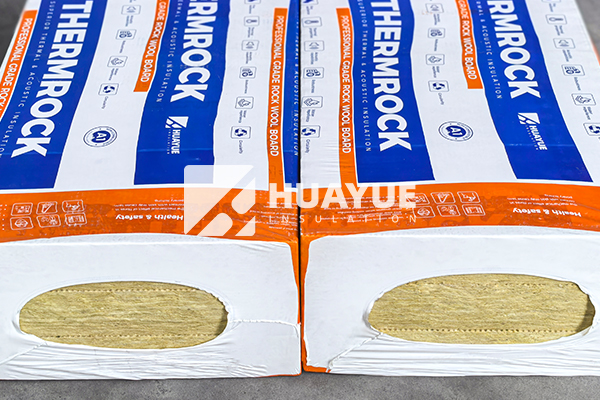
Rock wool insulation puzzles many people. There are issues like price, safety during handling, and how the product performs long-term. I have faced these questions myself. Each point is important when making a buying decision, especially if you handle industrial tanks or large projects.
How Much Does Rock Wool Insulation Cost?
Budget constraints affect every insulation decision. People often feel frustrated with changing quotes and pricing confusion.
Rock wool insulation usually costs $1.20 to $2.50 per square foot for typical panels or rolls. Final cost depends on thickness, density, and region. Bulk orders get lower pricing.
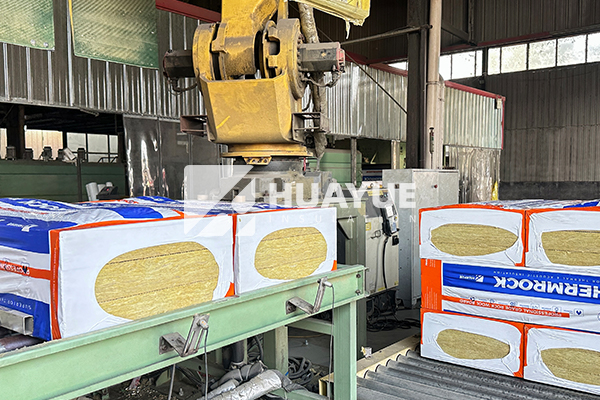
When I evaluate costs, I look at much more than the sticker price. Labor, waste, and life cycle expenses matter. Rockwool is sold by thickness—thicker material gives better performance but costs more. Freight and local market affect prices far more than many buyers assume. For large industrial jobs, asking the factory directly about volume discounts helps. Below is a table showing price factors that usually change the final cost:
| Factor | Impact on Cost |
|---|---|
| Thickness | Thicker panels increase cost |
| Density | Higher density for better fire resistance |
| Region | Prices vary by shipping distance |
| Volume | Larger orders get lower bulk pricing |
| Installation | More labor in complex areas |
| Certification | CE/ISO can add cost but increase quality |
I always compare local distributor quotes to manufacturer direct quotes. This is most useful when planning big projects or renovations.
Why Is Rock Wool Insulation So Expensive?
Rock wool’s price often surprises buyers. Many people ask why it is higher than other insulation types.
Rock wool insulation is pricey due to advanced manufacturing, energy-rich sourcing, fire resistance, and strict compliance standards. These features deliver better safety and performance.
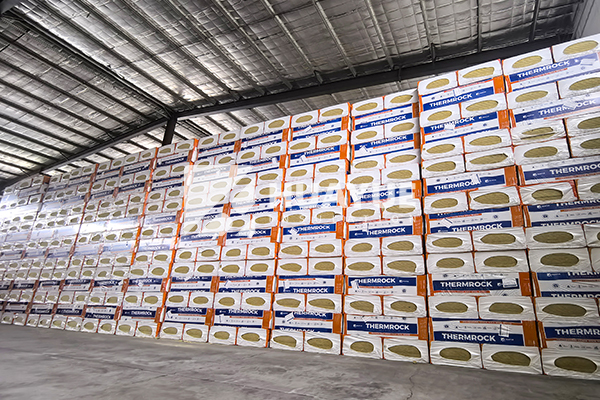
Rock wool comes from heating rock to very high temperatures. The furnace and spinning technology cost more money to buy and operate. Specialized fiberizing machines make each panel. Then, every batch must pass fire and toxic fume safety tests. Most rock wool is manufactured with very strict compliance. For Europe and North America, CE and ISO certifications add both cost and reliability. Buyers pay extra for peace of mind about fire safety. Compared to glass wool or foam, rock wool needs more raw material and energy. It is dense and has extra features which drive up the price. Only large manufacturers can keep costs competitive because they have volume and efficient lines.
| Reason | Result for Price |
|---|---|
| Manufacturing | Higher energy costs |
| Safety Standards | Certified production |
| Material Sourcing | Quality raw materials |
| Extra Features | Fire resistance |
| Market Scale | Economies of scale |
If you want to save money, ask suppliers about off-peak pricing or project bundles.
Is Rockwool Safe for Lungs?
Safety during installation bothers many workers. They ask if breathing rock wool fibers harms their lungs.
Rockwool insulation fibers are considered safe for lungs when used according to safety guidelines, but inhaling loose dust or fibers should be avoided. Always use PPE, especially masks, during handling.
Rock wool contains natural minerals, unlike asbestos. If you use correct protection—mask and gloves—the loose fibers do not stay in the lungs. European and U.S. health agencies rate rock wool as non-carcinogenic. The risk comes from dust created during installation and cutting. I always tell my crew to stay protected. After installation, rock wool stays behind barriers and dust does not persist. Air ventilation helps during big projects. Most certified manufacturers supply handling guidelines for installers. Here is an easy breakdown:
| Safety Measure | Why It’s Important |
|---|---|
| Use masks/respirators | Blocks dust/fiber inhalation |
| Ventilation | Reduces airborne spread |
| Gloves/Long sleeves | Prevents skin itching |
| Certified Product | Ensures non-toxic composition |
Rock wool does not harm users or building occupants once installed properly.
Does Rock Wool Lose R-Value When Wet?
Wet insulation frustrates plant engineers. They ask if rock wool’s thermal value drops with moisture.
Rock wool insulation maintains most of its R-value when exposed to moisture, but prolonged saturation can lower effectiveness. Quick drying restores full performance.
Rock wool is hydrophobic by design. Water mainly stays on the surface or drains off. Sometimes, tank insulation gets soaked during construction. If I spot this on a job, I know that rock wool dries out and regains its insulation properties. For high humidity projects, using vapor barriers works best. But extended water exposure causes temporary drops in R-value. It does not promote mold growth like organic insulation. Proper drying and good installation matter most:
| Scenario | R-Value Effect |
|---|---|
| Briefly Wet | Minimal loss, recovers |
| Saturated Long-term | Lower, until dry |
| Barrier Used | Maintains R-value |
| High Humidity | Needs extra protection |
For best results, pair rock wool with vapor barriers where water risk is high.
What Are the Negatives of Rockwool?
No product is perfect. Knowing the downsides of rock wool helps buyers plan better.
Rock wool can cause itchiness during handling, has a higher upfront cost, and requires careful installation. Its density also makes it heavier to transport and install.
Every time I use rock wool, I notice installation is messier compared to foam or glass wool. The fibers cause skin irritation. Workers must wear gloves and masks. Sometimes, denser panels mean you need more labor for heavy lifting, especially for large industrial tanks. Some projects need specialty fasteners and skilled labor which add extra cost. Finally, the initial price tag is higher than some alternatives. Over time, maintenance costs are lower thanks to durability, but upfront expenses have to be planned for:
| Negative Aspect | What Happens Next |
|---|---|
| Skin/Lung irritation | Needs PPE for installers |
| Heavy material | More labor, higher freight |
| Cost | Higher initial investment |
| Specialized Fixings | Skilled labor needed |
| Dust during install | Contains with barriers |
Knowing downsides lets me budget right and set realistic expectations.
Do Roots Grow Through Rock Wool?
People often ask about plant growth or green roof projects, worried about how roots behave.
Roots can penetrate rock wool, but only when actively encouraged or when the material is used in horticulture setups. Industrial insulation panels resist root growth in typical building environments.
Rock wool in industrial tanks and construction will not attract root intrusion. In hydroponic or greenhouse settings, pressed horticultural rock wool is designed for roots, but this is a specialty product. When used in insulation, the fibers are dense and set differently. Roots cannot break through unless insulation is left exposed to soil for long periods. I advise all clients to check installation protocols and environmental barriers for green roofs. Below is a table summarizing the main situations:
| Application | Root Growth Likelihood |
|---|---|
| Industrial Tanks | Very low |
| Building Insulation | Very low |
| Horticulture Cubes | High |
| Green Roofs (unprotected) | Possible if exposed |
| With Barriers | Negligible |
When used properly, rock wool resists root intrusion in most construction uses.
Conclusion
Rock wool insulation offers durability, safety, and reliability. Know its costs, handling needs, and long-term benefits for smarter buying decisions.
You may also be interested in:
Ready to Get Started?
Get in touch with our experts for personalized solutions tailored to your needs.
Get Free QuoteLatest Articles
What is R19 Kraft Fiberglass Insulation Batt?
Mar 20, 2026
What is High Density Mineral Wool?
Mar 20, 2026
Is Glass Wool the Best Choice for Sound Insulation?
Mar 19, 2026
Let's Work Together
Ready to take your business to the next level? Get in touch with our team of experts and let's discuss how we can help you achieve your goals.
Get Free Solutions