








Rock Wool Sound Absorption: Does It Really Work?
Noise can ruin comfort and focus. People often struggle to find the right insulation material. Many claim rock wool is the answer, but is it as effective as some say?
Rock wool is one of the best materials for sound absorption in buildings. It works by trapping sound waves in its dense, fibrous structure, making rooms quieter and more comfortable.
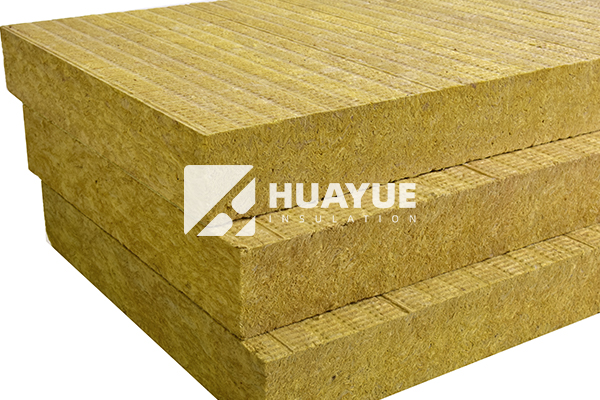
Sometimes finding the right material for sound control takes trial and error. Once I tested rock wool in a renovation project. I saw immediate improvement. More details on its benefits—and possible drawbacks—are below.
Is ROCK WOOL good for sound absorption?
Open office spaces or homes near busy roads can make focusing impossible. You may have tried other solutions. They often do not work or are too expensive.
Yes, rock wool is excellent for sound absorption. Its dense mineral fibers trap and dampen noise across a wide range of frequencies, making it a popular choice for walls, ceilings, and floors.
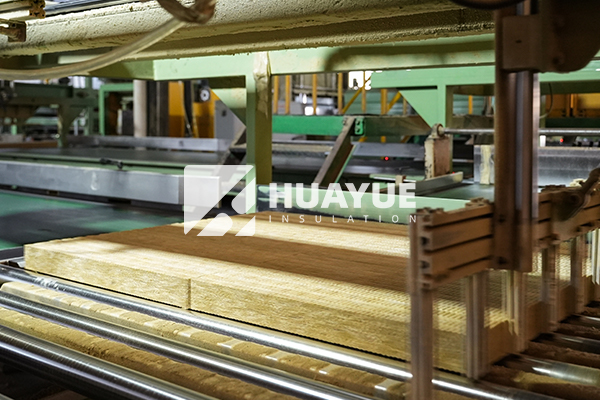
Let’s break down why rock wool is so good at blocking sound. Rock wool starts as molten rock spun into thin strands. The final product is dense, yet porous, which means air—and sound—cannot easily pass through. Rock wool’s NRC (Noise Reduction Coefficient) ranges from 0.8 to 1.0, depending on thickness and installation method. That means it can absorb up to 100% of the sound that hits it. For reference, drywall averages only 0.05. Below, I’ll show a table to compare NRC ratings:
| Material | Typical NRC Value |
|---|---|
| Rock Wool | 0.8–1.0 |
| Fiberglass | 0.7–0.9 |
| Drywall | 0.05–0.15 |
| Carpet | 0.3–0.6 |
Because of this efficiency, rock wool has become popular in schools, studios, theaters, and factories where noise control is a must. I’ve watched how switching to rock wool transformed harsh, echoing rooms into quiet, comfortable spaces.
What is the downside of ROCK WOOL?
Nothing is perfect. Sometimes rock wool gets a bad reputation from old stories or misunderstandings.
The most common downsides of rock wool are its higher price compared to fiberglass, possible skin irritation from loose fibers, and the need for careful installation to prevent dust.
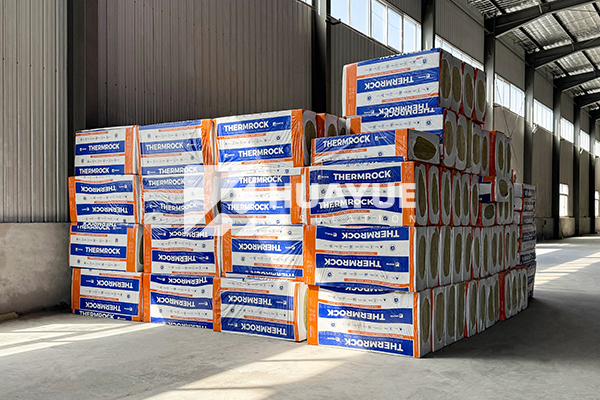
When I first handled rock wool, I wore gloves and a mask. Even though products have improved, loose fibers can still cause itching and coughing. Installation takes practice and care. The cost per square meter can be higher than fiberglass, making some choose cheaper options. Also, while it is fire resistant, if not installed tightly, air gaps can reduce performance. Moisture resistance is good, but rock wool should not sit in standing water. Here’s a simple table summarizing pros and cons:
| Pros | Cons |
|---|---|
| Excellent sound absorption | Higher cost |
| Non-combustible | Fibers can irritate skin/lungs |
| Good insulation value | Needs proper installation |
| Water and mold resistant | Not completely waterproof |
Even with these drawbacks, I notice customers return to rock wool when they need a reliable solution for difficult acoustic problems. Choosing quality materials and paying attention to safety can overcome most issues.
How many decibels does ROCK WOOL insulation dampen sound by?
It can be hard to find real numbers when measuring soundproofing materials. Some people promise miracles, but the proof is in the data.
Rock wool insulation typically reduces transmitted sound by about 10–15 decibels when installed in a standard wall cavity, depending on thickness and construction.
The real sound dampening effect depends on several factors: the thickness of the rock wool, the number of layers, how tightly it is installed, and the wall’s construction type. For example, a 100mm layer in a double-stud partition can reduce noise by over 15 dB. Here is a breakdown by thickness in a standard stud wall:
| Rock Wool Thickness | Noise Reduction (approx.) |
|---|---|
| 50 mm | 8–10 dB |
| 75 mm | 10–13 dB |
| 100 mm | 13–15+ dB |
To put that in perspective: a sound drop of 10 dB is heard as about half as loud to the human ear. In real-world projects, rock wool helped me cut traffic noise or machinery hum to a level where conversation and concentration become easy.
What frequencies does ROCK WOOL absorb?
Some insulations only help with high-pitched sounds but fail with deeper, bass noises. If you struggle with loud footsteps or music, you need a material that handles all types.
Rock wool absorbs sound across a broad frequency range, from low bass (around 125 Hz) to high treble (up to 4000 Hz), making it effective for most common noises.
Certain materials only stop higher pitches, like glass clinking or voices. Rock wool’s random fiber orientation and density allow it to trap both low and high frequencies. From my experience, this is why theaters and studios use it for fuller, clearer sound control. See the chart below for performance at different frequencies:
| Frequency (Hz) | Absorption Coefficient (50mm) |
|---|---|
| 125 | 0.55 |
| 250 | 0.75 |
| 500 | 0.95 |
| 1000 | 1.00 |
| 2000 | 1.00 |
| 4000 | 1.00 |
Rock wool stands out because it absorbs both the rumble of traffic (low Hz) and chatter or ringing (high Hz). This makes it a single solution for most sound problems I’ve faced—whether in homes, theaters, or factories.
Conclusion
Rock wool is a powerful, reliable choice for sound absorption. It delivers clear benefits despite some drawbacks, making it a top pick for noisy environments.
You may also be interested in:

Ready to Get Started?
Get in touch with our experts for personalized solutions tailored to your needs.
Get Free QuoteLatest Articles



Should B2B Buyers Choose Mineral Wool Insulation?
Mar 31, 2026
Is Rock Wool a Good Choice for Acoustic Insulation?
Mar 30, 2026
Rockwool Insulation for Roof: Best Practices (2026)
Mar 27, 2026
Let's Work Together
Ready to take your business to the next level? Get in touch with our team of experts and let's discuss how we can help you achieve your goals.
Get Free Solutions