








Rock Wool Insulation in Attic? A Complete Homeowner’s Guide
When I first started researching attic insulation options for my home, I kept hearing about rock wool insulation. It’s become one of the most popular choices for homeowners looking to improve their energy efficiency and comfort. After diving deep into the research and even installing it myself, I want to share everything I’ve learned about using rock wool insulation in attic spaces.
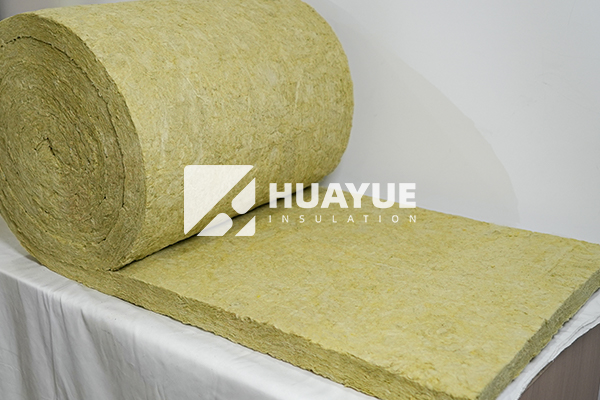
Rock wool, also known as mineral wool, is made from natural volcanic rock and recycled materials. It’s heated to extremely high temperatures and spun into fine fibers that create an excellent insulating material. In my experience, it’s particularly well-suited for attic applications because of its superior thermal performance and fire-resistant properties.
However, like any insulation material, rock wool comes with its own set of considerations that every homeowner should understand before making a decision. Let me walk you through what I’ve discovered about the disadvantages, pest resistance, mold prevention, and installation requirements for rock wool insulation in your attic.
What are the disadvantages of ROCK WOOL insulation?
Let me be honest with you—rock wool insulation isn’t perfect, and there are some significant disadvantages you need to consider before choosing it for your attic.
Cost considerations are probably the first thing that’ll catch your attention. When I was shopping around, rock wool was noticeably more expensive than fiberglass insulation. The material itself costs more, and installation typically requires professional help because of the specialized handling required. You’re looking at paying premium prices for both the product and the labor.
Weight is another issue that surprised me. Rock wool is considerably heavier than other insulation types like fiberglass or cellulose. This means your attic structure needs to be able to support the weight. If you have an older home with weaker ceiling joists, you might need to reinforce them before installing rock wool, which adds even more to your costs.
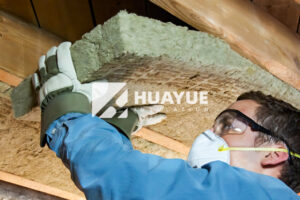
Installation complexity can be a real headache. Unlike fiberglass batts that you can easily handle yourself, rock wool requires proper protective gear—I’m talking heavy-duty gloves, goggles, and a respirator mask. The tiny fibers can irritate your skin and lungs, so you really can’t skip the safety equipment. I learned this the hard way during my first attempt at handling it without proper protection.
Moisture concerns are worth mentioning too. While rock wool does have some moisture-resistant properties, it can still absorb water if exposed to persistent leaks or high humidity. Once wet, its insulating properties significantly degrade, and you could end up with mold problems if not addressed quickly.
Finally, availability can be tricky depending on where you live. I found that not all home improvement stores carry rock wool, and you might need to order it specially or visit specialized suppliers.
Do mice chew through ROCK WOOL insulation?
This is one of the most common questions I get asked, and it’s a valid concern for any homeowner. The short answer is: mice generally don’t prefer to chew through rock wool insulation, but let me explain the full picture.
Rock wool has a distinctive texture that’s quite different from fiberglass. Those tiny, interlocking fibers make it much less appealing to rodents compared to other insulation materials. Mice prefer materials they can easily gnaw through and use for nesting—like fiberglass insulation, which they can push aside or shred into soft nesting material. The coarse, scratchy nature of rock wool simply doesn’t attract them in the same way.
However, I want to be completely honest with you: it’s not completely mouse-proof. If a mouse is desperate enough or already has an established nest in your attic, it might still work its way through rock wool. The fibers can be pushed aside rather than chewed through, creating tunnels and pathways for mice to travel through your insulation.
What impressed me about rock wool is that it doesn’t provide the same appeal as food sources or nesting materials. Mice are less likely to establish colonies in rock wool compared to fiberglass or cellulose insulation. The material doesn’t hold their scent the same way, and it’s not as comfortable for nesting.
My recommendation is to combine rock wool with proper rodent-proofing measures. Seal any entry points around your roof, vents, and eaves. Install mesh screens over vents, and consider using steel wool or caulk to close gaps. No insulation material is 100% mouse-proof, but rock wool certainly ranks among the less appealing options for rodents.
Can mold grow in ROCK WOOL insulation?
This question kept me up at night when I was researching insulation options. The good news is that rock wool is naturally resistant to mold growth, and here’s why.
Rock wool is made from volcanic rock and recycled steel slag, heated and spun into fibers. This manufacturing process creates a material that is inherently inorganic—there’s nothing in rock wool that mold needs to feed on. Unlike cellulose insulation, which is made from paper and is essentially mold food, rock wool doesn’t provide the organic material that mold spores need to thrive.
In my research, I found that rock wool is actually classified as a non-supporting material for mold growth. It has a ASTM C1338 rating, which specifically tests fungi resistance. This means it won’t support fungal growth even when exposed to moisture and warm temperatures—the perfect conditions for mold to flourish.
However, I need to share an important caveat: "resistant" doesn’t mean "immune." While rock wool itself won’t grow mold, it can still be affected by excessive moisture in your attic. If you have persistent leaks, condensation problems, or poor ventilation, water can saturate the insulation and create conditions where mold could potentially grow on surrounding organic materials—like wood framing or debris in your attic.
The key takeaway here is that proper attic ventilation is crucial regardless of what insulation you choose. Make sure your attic has adequate intake and exhaust vents, and address any roof leaks or condensation issues immediately. With proper installation and ventilation, mold shouldn’t be a concern with rock wool insulation.
Do you need an air gap with ROCK WOOL?
This is a technical question that had me confused at first, but here’s what I learned: you typically don’t need a deliberate air gap with rock wool insulation in most attic applications.
Rock wool is classified as a "dense-packed" insulation material. When installed properly, it fills the joist cavity completely without leaving gaps or voids. Unlike some insulation types that require an air space for their reflective properties (like certain types of fiberglass), rock wool works through its mass and fiber structure to reduce heat transfer.
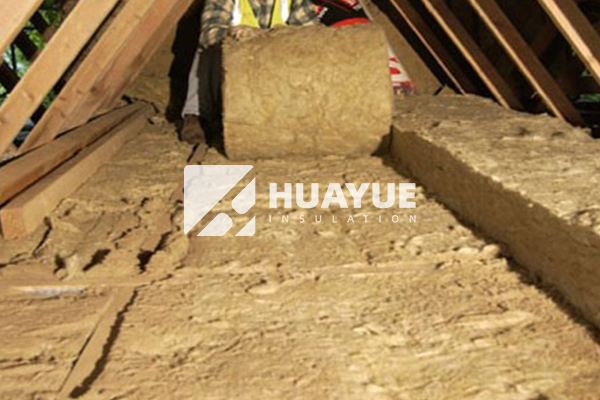
For attic floor insulation, you should install rock wool snugly between the joists, with the edges butting tightly against each other and the framing. Any gaps or compression will reduce its effectiveness. The goal is to achieve full coverage without any voids or pathways for air to leak through.
For cathedral ceilings or sloped attic walls, the requirements might differ slightly. Some building codes and manufacturers recommend maintaining a small air gap between the insulation and the roof sheathing for ventilation purposes. This helps prevent moisture buildup and allows any incidental moisture to dry out. Always check your local building codes and manufacturer specifications for these specific applications.
One thing I discovered is that air sealing is still important with rock wool insulation. While you don’t need an intentional air gap, you do need to seal air leaks before installing the insulation. Gaps around recessed lights, plumbing vents, electrical boxes, and attic hatches can significantly undermine your insulation’s performance. Use caulk, foam sealant, or weatherstripping to seal these air leaks before adding your rock wool insulation.
The bottom line: Focus on complete, snug installation without gaps or compression, rather than worrying about maintaining a specific air gap. Proper air sealing and ventilation will give you the best performance from your rock wool insulation.
After months of research and hands-on experience, I’ve found rock wool insulation to be an excellent choice for attic applications. Yes, it costs more and requires careful installation, but its fire resistance, mold resistance, and pest-resistant properties make it worth the investment for many homeowners. Just make sure to do your homework, install it properly, and maintain good attic ventilation—and your rock wool insulation should serve you well for decades to come.
You may also be interested in:

Ready to Get Started?
Get in touch with our experts for personalized solutions tailored to your needs.
Get Free QuoteLatest Articles



Let's Work Together
Ready to take your business to the next level? Get in touch with our team of experts and let's discuss how we can help you achieve your goals.
Get Free Solutions