








Rock Wool in Crawl Space? A Comprehensive Guide from My Experience
I’ve spent years working with insulation materials, and rock wool is one of the most frequently asked-about products when it comes to crawl space applications. Today, I want to share my firsthand experience and knowledge about using rock wool in crawl spaces, addressing the most common questions homeowners and contractors ask me.
Can ROCK WOOL be used in a crawl space?
From my experience, yes, rock wool can absolutely be used in a crawl space, and in many cases, it’s actually an excellent choice. I’ve installed rock wool insulation in hundreds of crawl spaces over the years, and the results have been consistently positive when proper installation techniques are followed.
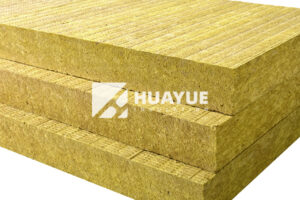
Rock wool, also known as mineral wool or stone wool, is manufactured from natural volcanic rock (typically basalt or diabase) that is melted at extremely high temperatures and spun into fiber bundles. This manufacturing process creates a product with remarkable performance characteristics that make it particularly suitable for crawl space environments.
One of the primary advantages of rock wool in crawl spaces is its excellent moisture resistance. Unlike fiberglass insulation, which can absorb water and lose its insulating properties when wet, rock wool repels water while still allowing the material to dry out if it does become moist. This is crucial in crawl spaces, where humidity levels can fluctuate significantly and moisture intrusion is always a potential concern.
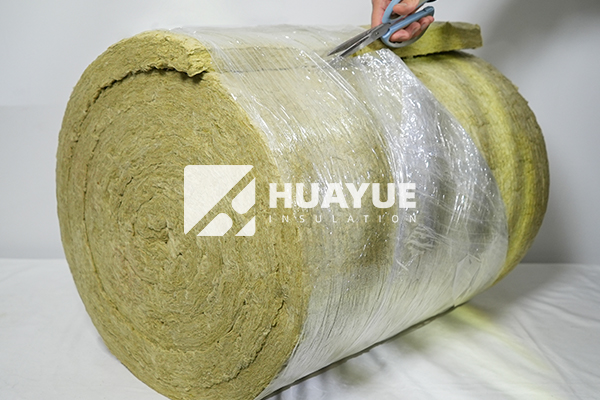
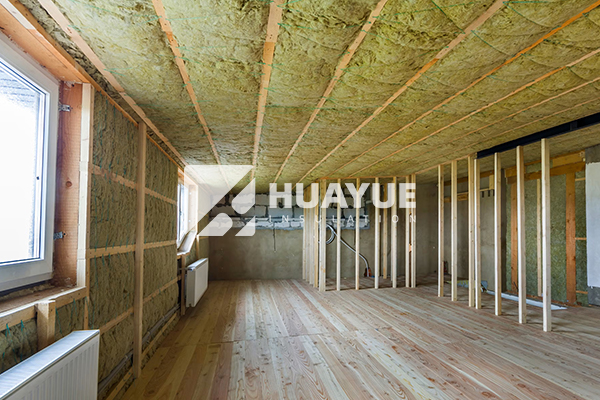
In my professional experience, rock wool performs exceptionally well in vented crawl spaces. It can be installed between floor joists, on the walls, or both, depending on the specific climate conditions and building codes in your area. The material’s density also makes it resistant to settling over time, which means it maintains its R-value (thermal resistance) for decades without compressing or losing effectiveness.
However, I should note that proper preparation is essential. Before installing rock wool in a crawl space, you need to address any existing moisture problems, ensure proper ventilation, and consider installing a vapor barrier. I’ve seen cases where homeowners skipped these preparatory steps, and the results were less than ideal. Take care of moisture issues first, then insulate.
What are the disadvantages of ROCK WOOL?
While I’m generally a strong proponent of rock wool, it’s only fair that I discuss its disadvantages based on what I’ve observed in the field. No insulation material is perfect, and understanding the drawbacks helps you make an informed decision.
The cost factor is significant. In my experience, rock wool typically costs 25-50% more than fiberglass insulation of equivalent R-value. This price difference can add up quickly when insulating an entire crawl space, and some homeowners are surprised by the budget impact. However, I always explain that the longer lifespan and better performance often justify the higher initial investment.
Installation can be more challenging. Rock wool is denser and heavier than fiberglass, which makes it slightly more difficult to handle and install. I’ve worked with installers who were initially frustrated by the material’s weight, especially when cutting it to fit around pipes, wires, and other obstructions. You’ll need sharp utility knives and some patience to get clean cuts. The fibers can also be irritating to the skin, so I always recommend wearing long sleeves, gloves, and eye protection during installation.
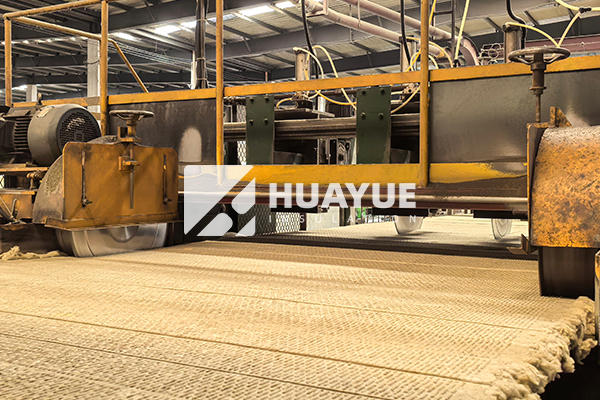
There’s also an issue with fiber irritation. The tiny fibers in rock wool can cause skin irritation, similar to fiberglass but sometimes more pronounced. I’ve experienced this myself during installations – the itching can be quite uncomfortable. This is why proper protective gear isn’t optional; it’s essential. Additionally, while rock wool fibers aren’t considered carcinogenic like some older asbestos-containing materials, you still don’t want to breathe them in, so a quality dust mask is necessary.
Finally, R-value per inch is slightly lower than some alternatives. While rock wool provides excellent insulation, spray foam insulation typically achieves a higher R-value per inch of thickness. This might matter in tight spaces where every inch of clearance counts. In most crawl space applications, though, the difference is negligible because you can simply install a thicker layer of rock wool to achieve the same overall R-value.
Will rodents nest in ROCK WOOL?
This is one of the most common questions I get about rock wool, and it’s an important one. The short answer is that rodents can attempt to nest in rock wool, but they’re significantly less likely to do so compared to fiberglass insulation.
From what I’ve observed in the field, mice and rats prefer materials that are soft, easy to chew, and can be manipulated into nests. Fiberglass insulation is notorious for becoming rodent habitat – I’ve opened up countless walls and crawl spaces where mice had completely shredded fiberglass to create cozy nests. The stuff is essentially nesting material to them.
Rock wool, on the other hand, presents a much different proposition. The fibers are sharp and brittle, making them uncomfortable to handle. When I’ve inspected crawl spaces with rock wool that had rodent activity, the rodents typically only chewed around the edges or where the material met wood framing – they didn’t actually nest inside the rock wool batts themselves. They might tunnel through it occasionally, but they won’t create their nests there.
That said, I want to be completely honest with you: rock wool is not rodent-proof. Determined rodents can still damage it or use it as a nesting site if they really want to. The key is that it provides much better resistance than fiberglass, buying you valuable time and reducing the likelihood of infestation.
To maximize rodent resistance, I always recommend combining rock wool with proper exclusion measures. Seal all entry points, keep vegetation trimmed away from the foundation, and consider installing rodent-resistant barriers if you’ve had issues in the past. Rock wool is a great first line of defense, but it’s not a standalone solution for rodent problems.
Will ROCK WOOL stop drafts?
Yes, rock wool will help stop drafts, but it’s not a complete solution on its own – and understanding this distinction is crucial based on what I’ve seen in practice.
Rock wool insulation primarily works by trapping air within its fiber structure. Still air is an excellent insulator, and the millions of tiny air pockets within rock wool batts significantly reduce heat transfer through the material. This thermal resistance indirectly helps with draft prevention by maintaining more consistent temperatures, but direct draft stopping requires additional measures.
In my experience, the most effective approach is to combine rock wool with proper air sealing. Before installing rock wool insulation in a crawl space, I always recommend addressing air leaks first. Common draft sources in crawl spaces include:
- Gaps between floor joists and the foundation wall
- Openings around plumbing and electrical penetrations
- Missing or damaged vapor barriers
- Gaps around access doors and hatches
- Cracks or holes in the foundation itself
Once you’ve sealed these air leaks, then installing rock wool provides the thermal insulation layer that makes your home more comfortable and energy-efficient. The combination of air sealing and quality insulation is what truly stops drafts and maximizes energy efficiency.
One thing I’ve noticed is that rock wool’s density does provide some acoustic benefits as well. If your crawl space is beneath living areas, you’ll notice a reduction in sound transmission – another bonus benefit that homeowners often appreciate, especially if they have a home office or media room above the crawl space.
In conclusion, rock wool is a highly effective insulation choice for crawl spaces when properly installed. It offers excellent moisture resistance, better rodent resistance than alternatives, and reliable thermal performance. While the higher cost and installation challenges are worth considering, the long-term benefits often outweigh these drawbacks. Address moisture issues first, seal air leaks, and then install quality rock wool insulation – you’ll be rewarded with a more comfortable, energy-efficient home for decades to come.
You may also be interested in:

Ready to Get Started?
Get in touch with our experts for personalized solutions tailored to your needs.
Get Free QuoteLatest Articles


Let's Work Together
Ready to take your business to the next level? Get in touch with our team of experts and let's discuss how we can help you achieve your goals.
Get Free Solutions