








Rock Wool External Wall Insulation: Is It the Best Solution for Your Building?
If you are struggling with energy bills and temperature control, external wall insulation can be a powerful answer. But is rock wool your smartest choice?
Rock wool is highly effective for exterior wall insulation because it resists fire, controls noise, and does not absorb water. It cuts heat loss, boosts comfort year-round, and meets strict building codes for safety in most climates.
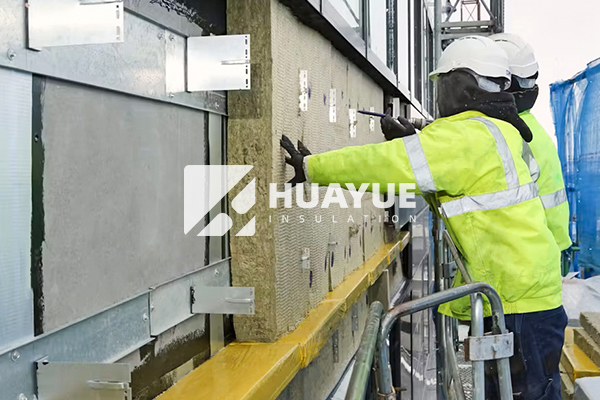
When I consider upgrading wall insulation, I often weigh options for long-term results. Rock wool is popular worldwide due to its performance. This drives many building owners to ask: Can it actually work well for their exterior walls, or are there hidden drawbacks?
Can you use ROCK WOOL on exterior walls?
Many professionals want insulation that stands up to the weather, molds to uneven wall surfaces, and lasts for decades. Does rock wool fit all these needs?
Yes, rock wool is designed for installation on exterior walls. It is water-repellent, fireproof, and keeps its shape in all climates, making it a solid choice for outdoor insulation projects.
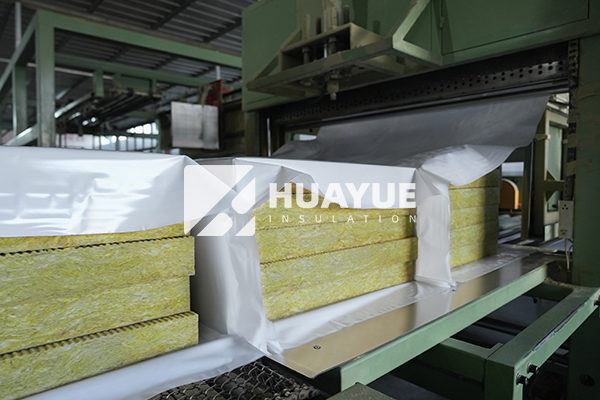
Rock wool is made from basalt stone. Its fibers are spun at high temperatures. This process turns the stone into a loose, fibrous mat that can be shaped into boards, batts, or blankets. These forms make it easy to fix to masonry, concrete, or timber walls. Rock wool remains firm even after years of exposure to cold, rain, or wind. It resists mold and fire without chemical treatments. When I talk to facility managers, they always focus on its simple installation. The boards handle rough surfaces well. Installers use mechanical fixings or adhesives. The tight fit leaves no major gaps. Contractors use it in new construction, retrofits, and high-rise projects. This is because rock wool meets fire safety codes that many cities require on building exteriors. Its water resistance prevents problems like damp spots and paint cracks. The material does not shrink or warp. For anyone watching costs, rock wool is often more economical than synthetic alternatives for large wall surfaces. I found its longevity helps properties keep strong insulation over decades, with few repairs.
| Key Factor | Rock Wool Advantage | Competing Material |
|---|---|---|
| Fire Safety | Unmatched, non-combustible | Varies |
| Water Resistance | Repels water, does not absorb | Limited |
| Installation | Easy, fits most surfaces | Often complex |
| Lifespan | Decades, minimal maintenance | Can be shorter |
What are the negatives of ROCK WOOL insulation?
I often hear concerns about possible drawbacks. What should you know before committing to rock wool?
Rock wool is heavier, can be more expensive up front, and may irritate skin during installation. It also needs careful sealing to avoid gaps and ensure full weather resistance.
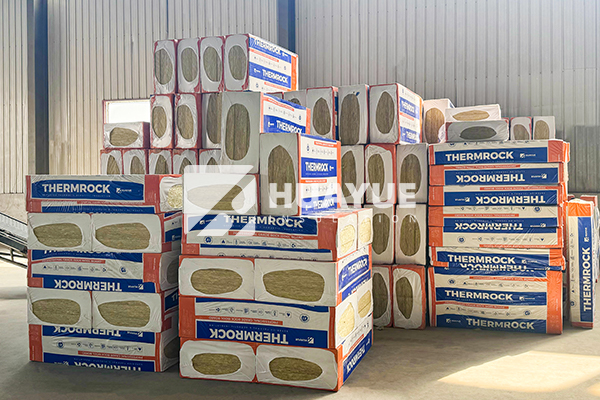
Rock wool offers outstanding fire and thermal performance. However, its mineral fibers can cause minor skin irritation when handled directly. Installers must wear protective gear. This is a minor issue but is important for user comfort and safety. The insulation can be heavier than fiberglass, so walls must support its weight. For tall buildings, this means careful engineering. The upfront cost is sometimes higher than cheaper alternatives. However, most owners find that energy savings and fewer repairs offset initial expenses over time. Another challenge is careful installation. Each board must fit tightly, or else small gaps may let in cold air or water. If the vapor barrier is not properly sealed, moisture can seep behind the insulation. This may cause brick or timber walls to degrade months or years after installation. Some contractors also note the need for specialist fixings, since standard screws might not hold the boards firmly in every situation. I have seen that in large projects, a skilled team can overcome these problems with planning and the right materials. If the right steps are followed, negatives are controlled, and benefits become clear for years to come.
| Drawback | Solution or Mitigation | Impact Level |
|---|---|---|
| Irritation | Use protective clothing | Low |
| Heavy boards | Test wall strength, proper fixings | Moderate |
| Installation gaps | Professional fitting, sealant | High if ignored |
| Higher cost | Compare life-cycle savings | Moderate |
Do you need an air gap with ROCK WOOL?
Sometimes clients ask if they should leave space behind the insulation. Why does this matter for performance and durability?
Yes, a small air gap between the rock wool and the exterior wall helps moisture escape. This air space prevents condensation and lets the insulation stay dry and effective.
Air gaps in wall insulation design serve an important purpose. Rock wool rarely absorbs water, but trapped vapor can still cause problems if the wall cannot breathe. In well-planned exterior insulation systems, contractors include an air gap of 20 to 25 mm. The gap sits between the mineral wool and the main wall surface. This allows moisture that does enter the wall cavity to escape out of the system. For brick or old concrete walls, an air gap reduces the risk of long-term damage by keeping water away from both the insulation and the structure. Proper venting is crucial. Installers add weep holes or ventilation channels at the bottom of the wall system. This keeps air circulating and moves any captured moisture outside. When I explain this on job sites, owners are surprised by the value of such a simple step. An air gap also helps the insulation perform at its best over years. It supports steady R-values and extends the life of exterior wall finishes. If the air gap is missing or blocked, water can build up. This leads to mold and damage that are hard to repair. For any external application, leaving an air gap is an easy way to protect your investment.
| Why Create Air Gap? | How Much Gap? | Install Method | Impact on Performance |
|---|---|---|---|
| Moisture escape | 20–25 mm | Battens, vent channels | Higher, more durable |
| Vapor control | 20–25 mm | Spacers, weep holes | Critical |
| Better R-value | 20–25 mm | Simple design | Long-term benefit |
Will rodents nest in ROCK WOOL?
If pests get into wall insulation, it leads to costly damage. Is rock wool safe from rodent problems?
Rodents rarely nest in rock wool because it is dense, tough, and does not contain food. Its structure is less inviting than soft organic insulation.
Rodent activity in wall cavities is a common headache for property managers. They want to pick insulation materials that avoid this risk. Rock wool is made from stone, with fibers pressed tightly together. This dense texture does not offer much comfort to rodents seeking soft bedding. Unlike some natural or synthetic products, rock wool is sterile and contains no food sources. Pest experts report that mice and rats do not find rock wool attractive for nesting. In my visits to industrial plants, building managers have confirmed this result. They see fewer burrows in rock wool systems than in fiber or cellulose insulation. However, if other entry points exist—like cracks or unsealed vents—rodents can still pass through the wall cavity. Good installation is key. Proper sealing of all joints and gaps keeps pests outside. Adding mesh screens around air vents also helps. If you use rock wool with metal or stone cladding, rodent issues are almost entirely avoided. Households with chronic infestations may want extra pest control steps. But in most cases, rock wool is a safer bet for stopping rodent problems than many alternatives.
| Pest Issue | Rock Wool Attributes | Additional Protection |
|---|---|---|
| Rodent nesting | Dense, sterile | Seal gaps, mesh vents |
| Insect infestation | Tough, hard surface | Rare, if installed well |
| Long-term wall damage | Unlikely | Maintenance, inspection |
Conclusion
Rock wool is strong, safe, and effective for external wall insulation. It lasts for years and stops problems, making it a top choice for building upgrades.
You may also be interested in:

Ready to Get Started?
Get in touch with our experts for personalized solutions tailored to your needs.
Get Free QuoteLatest Articles



Should B2B Buyers Choose Mineral Wool Insulation?
Mar 31, 2026
Is Rock Wool a Good Choice for Acoustic Insulation?
Mar 30, 2026
Rockwool Insulation for Roof: Best Practices (2026)
Mar 27, 2026
Let's Work Together
Ready to take your business to the next level? Get in touch with our team of experts and let's discuss how we can help you achieve your goals.
Get Free Solutions