








Mineral Wool Insulation Rolls: Are They Right for Your Project?
Every facility project needs effective insulation, but choosing the right material often frustrates even the most seasoned professionals.
Mineral wool insulation rolls are fire-resistant, energy-efficient, and easy to install, making them a popular choice for industrial and commercial projects.
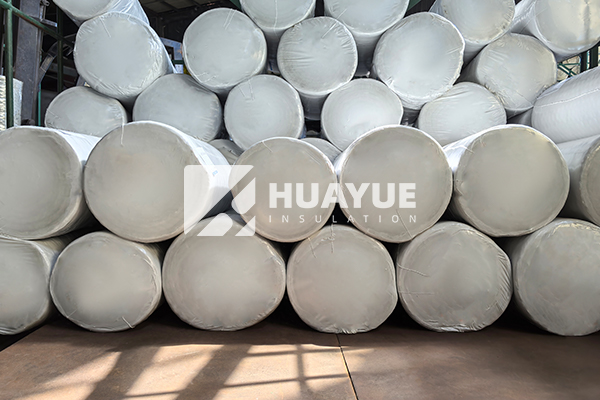
Good insulation makes all the difference for tank longevity and safety. I always start by reviewing the specs. If the material cannot prevent corrosion or maintain temperature ranges, it is not right for me. Let’s see how mineral wool rolls perform and whether they can solve these pain points.
What is Mineral Wool Insulation Roll Made from and How Does it Work?
People worry about long-term durability and reliability. I look for a product that resists moisture, fire, and harsh chemicals without losing its shape.
Mineral wool insulation rolls are made from molten rocks, mainly basalt or slag, spun into fibers. The resulting batts or rolls trap air, reducing heat flow and providing excellent resistance to fire, sound, and moisture.
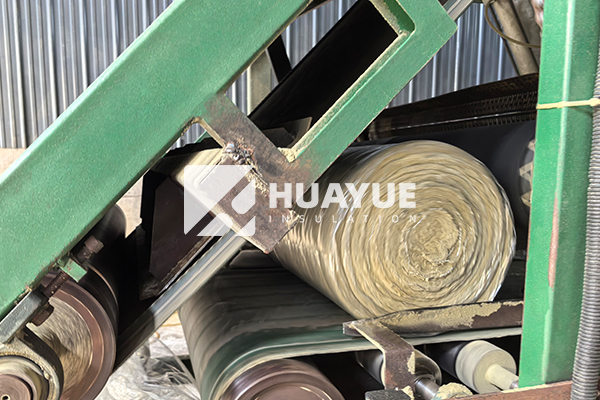
Mineral wool starts with natural stone or industrial waste slag. These raw materials are heated in a large furnace until they melt. I see workers spin the molten material into fine fibers, which creates the wool structure. The fibers are then collected and processed into loose batts or rolled products, like those from HUAYUE. The structure of these fibers is the secret to their performance. Each roll traps countless tiny pockets of air, slowing heat transfer and sound transmission. This makes mineral wool perfect for insulating tanks and keeping my facility’s energy costs down. The fire resistance comes from the stone itself—mineral wool does not burn and withstands high temperatures. It is also highly resistant to moisture and does not support mold growth—a big advantage in humid conditions. Below is a simple breakdown:
| Material | Main Features | Benefit to Me |
|---|---|---|
| Basalt/Slag | Non-combustible | Reliable protection from fire |
| Air pockets | Traps heat/cold | Better thermal insulation |
| Fiber structure | Needs no maintenance | Long-lasting performance |
| Water repellant | Stops moisture | Prevents CUI, mold |
I always check these features before sourcing insulation for my tanks.
How to Install Mineral Wool Insulation Roll?
Proper installation keeps insulation effective and saves me money in the long run.
To install mineral wool rolls, measure the surface, cut the roll to fit, press it into place, and use wire or fasteners to secure it. Ensure proper sealing at joints and around fixtures for maximum efficiency.
Installing mineral wool rolls looks straightforward. I begin by measuring the area I need to insulate. I unroll the product and cut it with a sharp knife—this material is easy to work with and stays in shape. After that, I lay the roll against the tank’s exterior or pipe, making sure it fits snugly and covers gaps. When installing around tanks or complex shapes, I make careful use of wire mesh or mechanical fasteners. Secure installation keeps the wool from shifting, which means my insulation stays effective for years. The seams need attention too. Wherever two pieces meet, I make sure the joints overlap or tuck tightly so there is no thermal bridging. I’ve also used aluminum foil or metal jacketing on the outside to weatherproof mineral wool insulation. If I see condensation or water buildup, I know I need better sealing around joints. Here’s my checklist for a successful install:
| Installation Step | Key Point | Why It Matters |
|---|---|---|
| Measure area | Fit matters | No waste, complete coverage |
| Cut to length | Use sharp blade | Clean edge, proper fit |
| Fix with wire/mesh | Secure attachments | Prevent shifting |
| Seal at joints | Overlap or tuck | Stops heat leaking, CUI risk |
| Add jacketing (optional) | Use foil/metal | Extra moisture protection |
I always verify these steps, especially around high-risk areas.
Does Mineral Wool Insulation Come in Rolls?
I get asked this by clients all the time. If it isn’t available in rolls, installation might take longer and cost more.
Yes, mineral wool insulation is available in rolls, providing easy handling and flexibility for quick installation, especially on large, flat or curved surfaces.
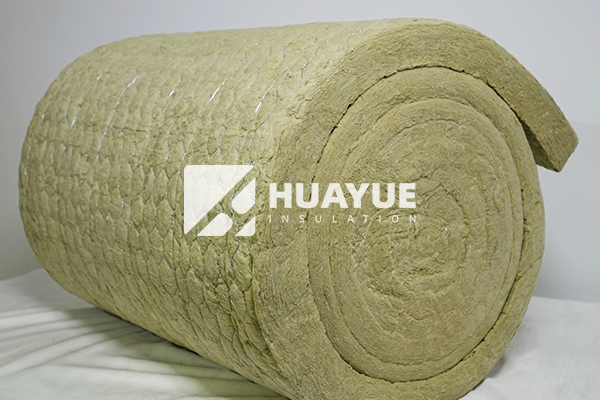
Some insulation products only come in board or slab form. I prefer mineral wool rolls for tanks, pipes, and walls because they are flexible. Rolls bend around curved surfaces and help me cover large areas quickly. HUAYUE offers rolls with standard dimensions: thicknesses from 5 to 15 centimeters, widths of 0.6 meters, and lengths from 2 to 5 meters. I can even custom order other sizes for complicated projects. Insulation rolls save on labor time, reduce the need for extra fastening, and help manage odd dimensions in industrial settings. This makes my maintenance team’s work smoother and often saves budget.
What Size is a Rockwool Roll?
I need to source insulation that fits the exact tank size so there is no waste.
Rockwool insulation rolls typically come in standard sizes: thicknesses of 5-15 cm, widths of 0.6 meters, and lengths of 3 meters, with customizable lengths available for different project needs.
When I search for rockwool rolls, I see most suppliers offer widths around 0.6 meters and thickness options from 5 cm up to 15 cm. HUAYUE’s regular length is 3 meters, but I have ordered rolls from 2 to 5 meters for larger or smaller tanks. Custom sizing lets me plan my insulation with less cutting and waste. If I have bigger tanks or unique shapes, custom sizing is especially valuable. Knowing I can get exactly what I need, and sometimes in bulk packaging, keeps my project on schedule and under budget.
Rockwool Insulation Rolls with Wire Mesh
Securing insulation quickly is critical on job sites. Wire mesh reinforcement speeds up installation and improves stability.
Rockwool rolls with wire mesh embedded or wrapped provide extra strength, making installation faster and improving protection against mechanical damage or outdoor exposure.
Some insulation needs extra fastening to stay in place. When I use rockwool rolls with wire mesh, I notice faster installation because the mesh lets me tie the material down securely using clips or wire ties. Wire mesh reinforced rolls also resist damage from impacts or vibration, making them better for outdoor tanks or areas with heavy traffic. HUAYUE offers these options, and I always check mesh quality and attachment method before ordering. This detail matters most for tanks exposed to the weather, machinery vibration, or frequent maintenance. With wire mesh, I trust the insulation stays effective and does not break apart over time.
Conclusion
Mineral wool insulation rolls offer fire resistance, moisture protection, and easy installation, making them an excellent solution for industrial tank insulation needs.
You may also be interested in:

Ready to Get Started?
Get in touch with our experts for personalized solutions tailored to your needs.
Get Free QuoteLatest Articles


Should B2B Buyers Choose Mineral Wool Insulation?
Mar 31, 2026
Is Rock Wool a Good Choice for Acoustic Insulation?
Mar 30, 2026
Rockwool Insulation for Roof: Best Practices (2026)
Mar 27, 2026
Let's Work Together
Ready to take your business to the next level? Get in touch with our team of experts and let's discuss how we can help you achieve your goals.
Get Free Solutions