








Mineral Wool Board Insulation R Value: What Do You Really Need to Know?
Mineral wool insulation can make or break energy efficiency. Choosing the right board and thickness means balancing safety, comfort, and costs.
Mineral wool insulation boards typically offer R-values ranging from R-3 to R-4.3 per inch, depending on density and manufacturer. These values make them ideal for applications requiring fire resistance, moisture control, and reliable thermal performance.
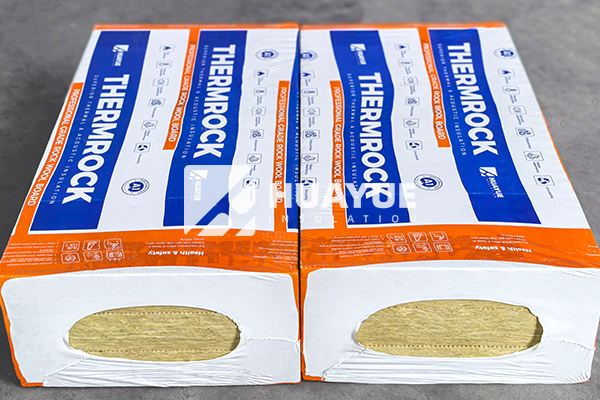
When picking insulation, many people just look at R-value. There is much more to consider, including fire protection, durability and cost. The right choice depends on what your project needs. Read on as I break down key points and help you make informed decisions.
What is the R-value of 4 inches of Rockwool?
Rockwool insulation offers reliable thermal protection, but what does four inches mean for your energy savings?
Four inches of Rockwool insulation typically provides an R-value between R-12 and R-17 depending on board density and manufacturer. This level is adequate for most exterior wall assemblies and offers solid resistance to heat flow.
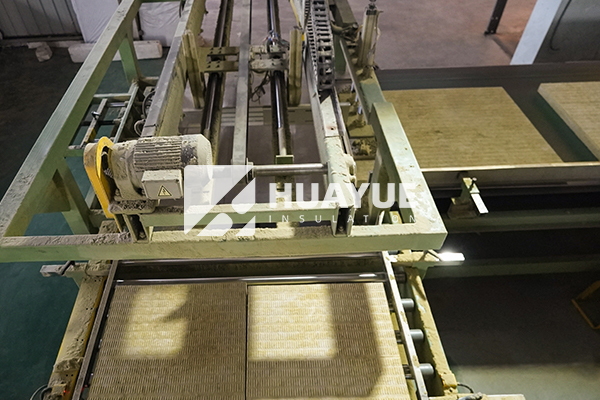
When I select insulation for tank systems or wall panels, I consider thickness and R-value together. Four inches of Rockwool fits most wall designs without sacrificing internal space or performance. Industry specifications often require exterior walls to have R-values of at least R-13, so four inches of Rockwool usually meets these codes. Manufacturers offer different densities, and the denser boards tend to push the R-value up toward R-17. Besides the thermal benefits, Rockwool boards resist fire and water, which keeps tanks and structures safe. I have often worked in environments where insulation absorbs moisture and fails over time, so choosing rock wool ensures long-term durability. It’s especially helpful in chemical plants where humidity and temperature changes are constant. Below is a quick reference table comparing thickness and R-value:
| Thickness (inches) | R-value Range |
|---|---|
| 1 | R-3 to R-4.3 |
| 2 | R-6 to R-8.6 |
| 4 | R-12 to R-17 |
These numbers are general—but always check with the supplier for exact specs.
What insulation board has the highest R-value?
If you want maximum thermal protection, which board should you choose?
Polyurethane and polyisocyanurate insulation boards have the highest R-value per inch, usually about R-6 to R-7. Mineral wool boards typically reach R-4.3 per inch, but they offer superior fire resistance and moisture control.
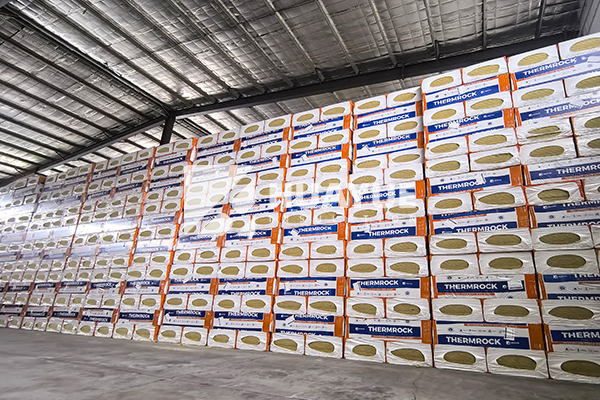
I have compared many insulation materials over the years. When the main priority is keeping heat inside or outside, polyurethane or polyisocyanurate boards win for pure R-value. These boards are often used in projects where space is limited but high insulation is crucial, such as cold storage or cryogenic tanks. However, these materials can burn more easily and may release toxic smoke if exposed to fire, which is not the case for mineral wool boards. For industrial tanks, I usually pick mineral wool or foam glass because they balance insulation, fire safety and performance over time. The price per cubic meter is often higher for polyisocyanurate, but mineral wool’s durability and fire resistance save money in the long run. Below is a chart showing R-values by insulation type:
| Insulation Board | R-value per inch |
|---|---|
| Polyisocyanurate | R-6 to R-7 |
| Polyurethane | R-5.6 to R-6.2 |
| Mineral Wool (Rock Wool) | R-3 to R-4.3 |
| Extruded Polystyrene | R-5 |
If you need the highest R-value and fire safety, mineral wool delivers solid results.
What is the downside of rock wool?
Rock wool has many benefits, but what are the weaknesses?
The downsides of rock wool mainly include higher cost compared to fiberglass, heavier weight, and potential dust during installation. These factors can affect handling, price, and some work environments.
Rock wool insulation stands out for fire and moisture resistance, but I have seen contractors struggle with its weight and how tough it can be to cut or fit into tight spaces. The price per square meter is usually more than fiberglass or foam boards, which may stretch budgets. Dust is another issue; installers must wear masks and protective gear. Over time, this can add up in labor hours and safety gear costs. Some buyers worry that rock wool fibers may irritate skin or lungs during installation. For tanks or exterior walls, though, the benefits far outweigh the negatives if you need lasting performance and low maintenance. Below is a table showing pros and cons:
| Pros | Cons |
|---|---|
| Fire-resistant | Higher cost |
| Water-resistant | Heavier weight |
| Durable | Potential dust |
| Long-lasting | Irritates skin/lungs |
Consider these impacts as you plan your project.
How thick is R30 mineral wool?
How much mineral wool do you need to achieve R30?
R30 mineral wool insulation typically requires between 9 and 10 inches of thickness, depending on product density and manufacturer specifications.
For tank projects, I sometimes receive requests for extremely high insulation values. R30 is common for roof and attic insulation in harsh climates. Mineral wool boards must be installed in layers to reach this thickness because the standard board is usually 2 or 4 inches thick. You may need two or three layers stacked together. The higher density boards take up less space but may cost more. I check the supplier’s specification sheet for the exact thickness needed; most products need about 9 inches to hit R30. This ensures the system stays energy efficient year-round. Below is a quick thickness guide:
| Target R-value | Mineral Wool Thickness |
|---|---|
| R13 | 4 inches |
| R19 | 6 to 7 inches |
| R30 | 9 to 10 inches |
Getting R30 takes careful planning and precise installation to keep costs and performance balanced.
Conclusion
Mineral wool board insulation balances R-value, fire resistance, and durability. Knowing thickness requirements and material limits helps you design safer, more efficient systems.
You may also be interested in:

Ready to Get Started?
Get in touch with our experts for personalized solutions tailored to your needs.
Get Free QuoteLatest Articles
Is Fiberglass Insulation Harmful?
Mar 3, 2026
How is fiberglass insulation made?
Mar 2, 2026
Let's Work Together
Ready to take your business to the next level? Get in touch with our team of experts and let's discuss how we can help you achieve your goals.
Get Free Solutions