





Mineral Wool Attic Insulation: Is It the Best Choice for Your Home?
If you have ever worried about poorly insulated attics causing high energy bills or discomfort, you are not alone. It can feel overwhelming to choose the right material.
Mineral wool insulation is highly effective in attics. It resists fire, blocks noise, and offers long-lasting thermal performance. Homeowners prefer it for its durability and the ability to boost energy efficiency.

Choosing attic insulation can be tricky. Many types are available, but each comes with trade-offs. Mineral wool stands out for its reliability. Still, learning the pros and cons helps you avoid surprises and make sure your attic stays safe, quiet, and energy-efficient.
Is mineral wool insulation good for attics?
If you feel unsure about whether mineral wool works well for attics, it is easy to get confused by all the options and advice online. You want something strong, safe, and cost-efficient.
Mineral wool insulation suits attics beautifully. It handles high temperatures, stays dense over time, and prevents outside noise from entering. This material keeps your attic comfortable in winter and cool during the summer.

Mineral wool insulation keeps attics cozy by stopping heat from moving in or out. Unlike fiberglass, mineral wool does not slump or lose its shape. I have seen installations where mineral wool stayed firm for years. It is made from molten rock or slag spun into fibers. This makes it strong and flexible. Mineral wool is naturally fire-resistant, which adds extra safety to homes with wooden rafters. Some people worry about moisture. Mineral wool does not absorb water easily, which helps avoid mold and rot. The noise reduction is another big plus in homes close to busy streets. Mineral wool blocks sound much better than most attic insulations. Here is a quick comparison:
| Feature | Mineral Wool | Fiberglass | Cellulose |
|---|---|---|---|
| Fire Resistance | High | Medium | Low |
| Soundproofing | Excellent | Good | Fair |
| Water Absorption | Low | High | High |
| Durability | Excellent | Moderate | Fair |
| Thermal Value | High | Medium | Medium |
When I help homeowners choose insulation, I always point out mineral wool’s long lifespan and how it keeps your attic stable and quiet, year after year.
What are the disadvantages of mineral wool insulation?
If you believe mineral wool is perfect, sometimes the drawbacks get overlooked. Every insulation material has a weak spot and you should know exactly what to expect.
Mineral wool insulation is heavier and costs more than fiberglass. Installation may need skilled hands, and the fibers can be irritating if touched without gloves or a mask.
It’s true that mineral wool holds up over time, but it is harder to install compared to lighter options like blown-in fiberglass. When I worked on attic upgrades, I had to warn clients about needing protective gear. The fibers can itch skin and eyes. It also costs more upfront. In some areas, you might not find mineral wool as easily as other insulations. You may notice this if you have a smaller attic or need to cover lots of odd angles. Sometimes, cutting and fitting mineral wool panels takes extra time. If the attic is cramped, going in and out with heavy mineral wool slabs gets tiring. The price is higher, so it pays off mainly if you go for durability and safety. Here’s a quick look at challenges:
| Disadvantage | Impact |
|---|---|
| Heavier Material | Needs strong support |
| Higher Cost | More upfront spending |
| Harder to Install | Needs protection |
| Limited Availability | Not everywhere |
| Skin/Irritation Potential | Needs gloves/mask |
Despite these challenges, many people still prefer mineral wool because it pays off in quieter, safer attics over time.
Will mice chew through rock wool insulation?
If you worry about pests in your attic, it can be frustrating when they damage your insulation. I grew up in a home with mouse troubles, so I understand the concern.
Mice do not chew through rock wool insulation. The material’s dense, sharp fibers make it uncomfortable for rodents and other pests to nest or tunnel.
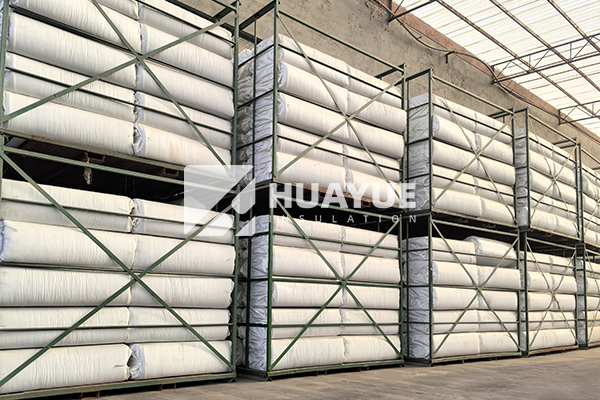
Rock wool insulation is tough and not attractive to mice. Fibers are stiff, so chewing hurts their mouths. When I ask builders, many say they rarely find rodent nests in rock wool compared to softer insulations. Mice often prefer softer materials like fiberglass or cellulose for making nests. The risk of rodent damage is much lower with rock wool. Some homeowners worry about pests, but the structure of rock wool keeps attics protected. This gives you peace of mind if past attic insulation suffered rodent holes and nests. It is also good against bugs; rock wool offers no food source and is hard to burrow into. Here’s what happens if you use rock wool:
| Insulation | Mice Chewing Risk | Pest Nesting Risk | Long-term Protection |
|---|---|---|---|
| Rock Wool | Low | Low | High |
| Fiberglass | Medium | High | Medium |
| Cellulose | High | High | Medium |
This makes rock wool a smart choice for attics in areas with pest problems.
Is there a difference between rock wool and mineral wool?
Sometimes, the insulation names confuse buyers. If you are shopping, you may hear “rock wool” and “mineral wool” and wonder what the difference is.
Rock wool and mineral wool are closely related. Both are made from melted rock but mineral wool can also include slag. Most performance features are nearly identical.
Many people use the terms interchangeably. Rock wool comes from basalt or volcanic rock. Mineral wool can be from rock or industrial slag. This distinction is small. In most practical cases, mineral wool and rock wool share fire resistance, water repellency, and soundproofing abilities. I have talked with suppliers who say, “If it’s called rock wool, it is still mineral wool.” The only difference is in the source material. Both insulations work equally well in attics. Sometimes, suppliers label products differently based on regional market habits. There is no real difference in their day-to-day use. If you ask, “Will rock wool work as well as mineral wool?” the answer is always yes. Here’s a simple breakdown:
| Name | Source | Fire Resistance | Water Repellent | Common Use |
|---|---|---|---|---|
| Rock Wool | Basalt/Rock | Yes | Yes | Attics, Walls |
| Mineral Wool | Rock or Slag | Yes | Yes | Attics, Walls |
If you are shopping for attic insulation, you can trust both types to deliver strong, safe results year after year.
Conclusion
Mineral wool insulation keeps your attic quiet, safe, and warm. It offers strong protection against fire, pests, and noise every season.
You may also be interested in:

Ready to Get Started?
Get in touch with our experts for personalized solutions tailored to your needs.
Get Free QuoteLatest Articles

Is Fiberglass Insulation Harmful?
Mar 3, 2026
How is fiberglass insulation made?
Mar 2, 2026

Let's Work Together
Ready to take your business to the next level? Get in touch with our team of experts and let's discuss how we can help you achieve your goals.
Get Free Solutions