








Is ROCK WOOL the Best Choice for Basement Ceilings?
Basement ceilings can be cold and noisy, making comfort and quiet hard to achieve. Many people struggle with finding the best insulation solution.
Rock wool is an excellent choice for basement ceilings because it provides high thermal insulation, resists fire, and reduces noise. It is easy to install and performs well in damp environments.

Basement renovations need materials that work well under tough conditions. Choosing the right insulation can make the basement safer, warmer, and quieter. Rock wool is a popular option, but there are a few things to consider before making a decision. I have installed different insulation materials over the years, and basement ceilings always present unique challenges. Let me explain the details to help you make the best choice.
Is ROCK WOOL good for a basement ceiling?
Basements are often damp and prone to temperature changes. Finding a safe and dependable insulation material is crucial for long-term comfort.
Rock wool is a smart solution for basement ceilings because it’s resistant to water, fire, and mold. Its composition, made from spun stone fibers, ensures safety and reliability even in demanding environments.

Rock wool works well under basement ceilings because it resists moisture. It does not absorb water, so it prevents mold growth and keeps the space healthy. This is key in basements, which tend to be damp and sometimes poorly ventilated. When I have faced mold issues in basements, rock wool quickly became the reliable fix. The material is fireproof, so it adds an extra layer of safety which is important if your basement has wiring or heating pipes. The installation process is simple, and rock wool fits snugly between floor joists. Its density also blocks noise from above, making basements quieter. Here is a table showing why rock wool shines compared to other common materials:
| Property | Rock Wool | Fiberglass | Foam Board |
|---|---|---|---|
| Moisture Resistant | Yes | No | Yes |
| Fire Resistant | Yes | Limited | Limited |
| Sound Insulation | Excellent | Good | Moderate |
| Mold Resistant | Yes | No | Yes |
| Easy to Install | Yes | Yes | Moderate |
You can see that rock wool hits the mark on wetness, fire, and sound issues. When basements are part of a home’s living area, these features matter most. I trust rock wool for these reasons, and it has worked well in many basement projects.
What is the best insulation for basement ceilings?
Choosing the right basement ceiling insulation means balancing warmth, moisture control, and sound reduction. Many options exist, but each comes with strengths and weaknesses.
Rock wool is one of the best choices for basement ceilings. Its ability to block heat loss, stay dry, and stop noise makes it ideal for both finished and unfinished basements.
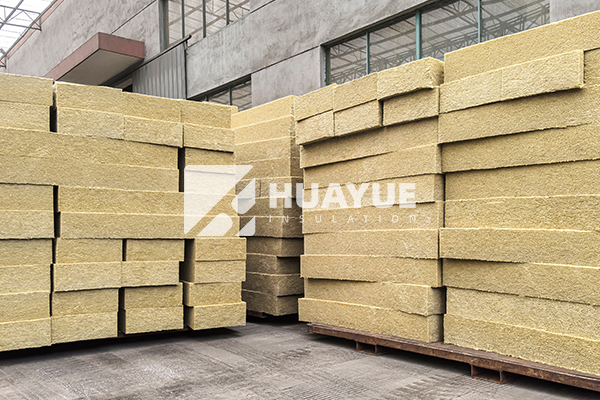
Picking insulation depends on what the basement needs most. Fiberglass is cheaper but absorbs water, inviting mold. Foam board is moisture-proof but can burn unless treated. Spray foam has good air sealing but costs more and is tricky to apply. Rock wool is the sweet spot. It combines all key benefits without major drawbacks. It keeps the basement warm in winter and cool in summer. It stops sound transmission, which makes it perfect for playrooms or home theaters. The material does not break down or rot, so maintenance stays low. I have seen basements with fiberglass insulation become moldy and smelly. After switching to rock wool, problems stopped. Rock wool is also easy for DIY installs. Here is a comparison chart:
| Insulation Type | Thermal | Sound | Moisture | Fire |
|---|---|---|---|---|
| Rock Wool | High | High | High | High |
| Fiberglass | Medium | Medium | Low | Low |
| Foam Board | High | Low | High | Medium |
| Spray Foam | High | Medium | High | Medium |
Rock wool matches or outshines other choices in all main areas. If you want peace, warmth, and less maintenance, rock wool delivers every time.
What is the downside of ROCK WOOL?
Even the best materials have a few downsides. Knowing these is important for making a fully informed decision.
Rock wool can cost more than fiberglass and requires safety gear when handling because of its fibers. If not installed carefully, it may leave small gaps that reduce its effectiveness.
Rock wool’s price is higher than fiberglass. For large basements, this can bump up renovation costs. The fibers in rock wool may irritate your skin or lungs during install. Wearing gloves, a mask, and goggles solves this issue. I always advise others to protect themselves on big insulation jobs. If you do not install rock wool snugly, gaps could let drafts or sound slip through. Although these gaps are easy to avoid with care, they matter in homes where keeping every bit of warmth counts. Here is a table of downsides:
| Disadvantage | Solution |
|---|---|
| Higher cost | Long-term savings offset price |
| Fiber irritation | Use protective gear |
| Install precision | Take time to fit tightly |
When comparing drawbacks with other materials, rock wool still remains reliable. No insulation choice is perfect, but rock wool’s negatives are easy to manage and its benefits stay strong over time.
What is the best material to soundproof a basement ceiling?
Basement ceilings often let in noise from upstairs living areas. Soundproofing is vital if the basement is used for sleeping, relaxing, or working.
Rock wool stands out as the top soundproofing material for basement ceilings. Its density dampens vibrations and blocks airborne noise much better than most insulation types.
Rock wool cuts noise from footsteps, voices, and appliances above. It absorbs sounds rather than letting them bounce around. This is valuable for basements set up as bedrooms or media rooms. Compared to foam, fiberglass, or spray foam, rock wool outperforms each on sound absorption. I have added rock wool to basement ceilings in homes where silence is key, such as newborn nurseries or offices. It delivers a significant reduction in noise transfer. Here is how different materials stand up on soundproofing:
| Material | Soundproofing | Application |
|---|---|---|
| Rock Wool | Excellent | Between joists |
| Fiberglass | Good | Between joists |
| Foam Board | Poor | Surface mount |
| Spray Foam | Medium | Cavity fill |
Rock wool makes the basement feel like a separate, quiet space. For anyone wanting undisturbed sleep or focus, it is the best material for the job.
Conclusion
Rock wool delivers top performance for basement ceilings in warmth, soundproofing, and safety. Its advantages outweigh its minor drawbacks for most basement applications.
You may also be interested in:


Ready to Get Started?
Get in touch with our experts for personalized solutions tailored to your needs.
Get Free QuoteLatest Articles


Is Fiberglass Insulation Harmful?
Mar 3, 2026


How is fiberglass insulation made?
Mar 2, 2026

Let's Work Together
Ready to take your business to the next level? Get in touch with our team of experts and let's discuss how we can help you achieve your goals.
Get Free Solutions