








Is rock wool insulation basement the best choice for your home?
Basements can feel cold and damp. Insulation helps. But what type works best?
Rockwool insulation basement is an efficient choice. It offers excellent thermal resistance with an R-value of 3.0 to 3.3 per inch. This helps keep basements warm and dry.
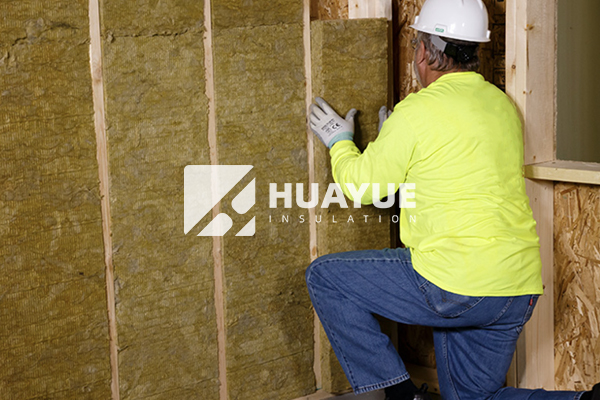
If you’re considering rockwool, you might have questions about its safety and effectiveness. Let’s explore these aspects further.
What are the negatives of ROCK WOOL insulation?
Rockwool has many benefits. But it’s not perfect. Some worry about cost and irritation.
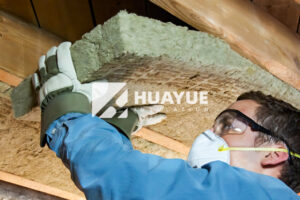
Rockwool insulation basement can be more expensive than other options, costing up to 20% more. It may also cause skin irritation if handled without gloves.
Rockwool’s cost can be a concern for budget-conscious homeowners. The material is denser, which contributes to its excellent insulation properties, but also increases the price. On average, rockwool insulation can cost between $0.80 to $1.50 per square foot, compared to fiberglass, which is often cheaper. Another point to consider is the potential for skin irritation. When installing rockwool, it is advisable to wear protective clothing and gloves. The fibers can be itchy and uncomfortable if they come into contact with bare skin. Despite these downsides, rockwool remains a top choice for those seeking durable and efficient insulation.
What is the best insulation for a basement?
Finding the right insulation depends on factors like moisture control and thermal efficiency.
The best insulation for a basement often includes rockwool. It resists moisture, has high thermal resistance, and offers soundproofing with an NRC rating between 0.9 and 1.05.
When evaluating basement insulation options, rockwool stands out due to its moisture resistance. Basements are prone to dampness, which can lead to mold and mildew. Rockwool’s composition allows it to repel water, avoiding these issues and maintaining its insulating properties. Another advantage is its thermal efficiency; rockwool can handle temperatures up to 1200°F, making it ideal for maintaining stable indoor conditions. Additionally, rockwool provides excellent soundproofing, reducing noise from outside or between rooms. The Noise Reduction Coefficient (NRC) ranges from 0.9 to 1.05, showcasing its capabilities in absorbing sound. While other materials like fiberglass or foam board have their merits, rockwool excels in these critical areas for basement applications.
Can I put ROCK WOOL directly on concrete?
Direct application seems convenient. But is it effective?
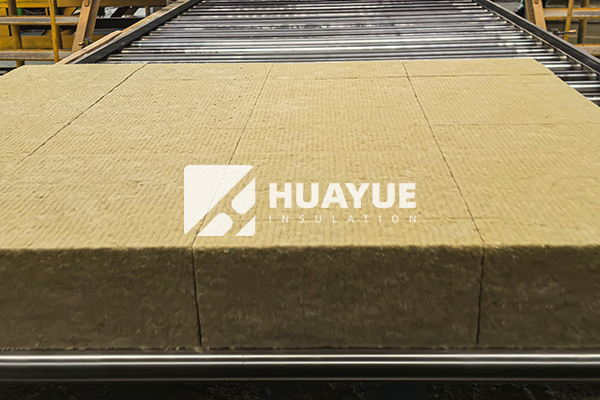
You can place rockwool insulation basement directly on concrete. It performs well with a compressive strength of 60 psi, supporting structural loads.
Installing rockwool directly on concrete surfaces is feasible. The material’s durability ensures it maintains its form and function under pressure. Rockwool’s compressive strength of 60 psi means it can handle significant weight without losing its insulating properties. This makes it an ideal choice for basement floors and walls. When applying rockwool directly to concrete, ensure the surface is clean and dry. This prevents any moisture-related issues, although rockwool’s water-resistant qualities offer additional protection. As an added benefit, rockwool’s density acts as a barrier against sound, making it effective for soundproofing in finished basements. Proper installation involves cutting the rockwool to fit snugly against concrete surfaces, ensuring no gaps where heat or cold can penetrate.
Can you leave ROCK WOOL exposed in the basement?
Exposed insulation might save time during installation. But is it safe?
Rockwool insulation basement can be left exposed. However, it is recommended to cover it for aesthetic reasons and to prevent dust accumulation.
Leaving rockwool exposed in a basement is technically possible, but not always advisable. While the material is non-combustible and doesn’t release harmful gases, exposed rockwool can accumulate dust over time. This might require regular cleaning. Additionally, rockwool’s appearance isn’t visually appealing for finished basements. Covering it with drywall or paneling can enhance the room’s aesthetics and provide additional protection against wear and tear. Though rockwool is robust and durable, adding a layer of drywall can also improve its soundproofing capabilities further, doubling the insulation benefits. In unfinished basements used for storage or utilities, exposed rockwool might suffice, but for living spaces, a more polished finish is preferable.
Can mold grow on Rock wool insulation?
Basements are prone to mold. How does rockwool fare?
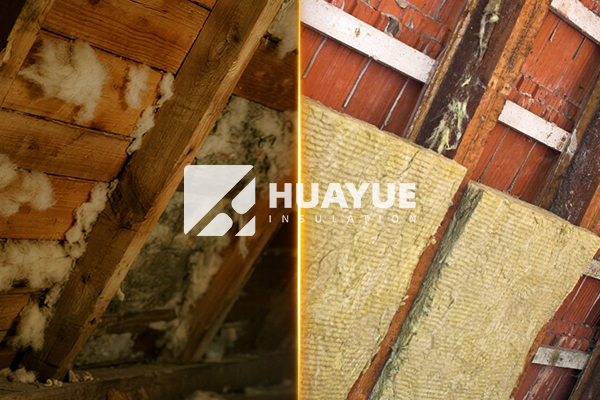
Rockwool insulation basement is resistant to mold growth. Its inorganic composition does not support mold or mildew, maintaining a healthy environment.
Rockwool’s resistance to mold is one of its standout features. Unlike organic insulation materials, rockwool is made from molten rock and slag, which do not provide a food source for mold or mildew. This inorganic nature makes it a suitable option for basements, where moisture can be a persistent issue. Mold requires organic material and moisture to thrive, but rockwool’s structure and water-repellent properties prevent this. Regular inspections and maintenance of the basement are still vital, though, to ensure that external moisture isn’t allowed to infiltrate the space. Proper installation and sealing of rockwool can further mitigate any risks, ensuring a dry, mold-free environment.
Conclusion
Rockwool insulation basement offers excellent thermal and moisture resistance. It stands out as a reliable choice for keeping basements warm, dry, and mold-free.
You may also be interested in:

Ready to Get Started?
Get in touch with our experts for personalized solutions tailored to your needs.
Get Free QuoteLatest Articles



Let's Work Together
Ready to take your business to the next level? Get in touch with our team of experts and let's discuss how we can help you achieve your goals.
Get Free Solutions